The information provided in this article is intended solely for general informational and educational purposes. It does not constitute medical advice, diagnosis or professional treatment, and should not be considered a substitute for consultation with a qualified doctor or other licensed healthcare professional. Any health-related decisions should be made in consultation with accredited medical professionals.
While efforts have been made to ensure the information is accurate and up to date, no guarantees are given—either express or implied—regarding its accuracy, completeness, currency or suitability. Use of this information is at your own discretion.
It is strongly recommended to consult official sources such as the NHS (National Health Service) or other recognised medical institutions before acting on any information contained on this website or article. Under no circumstances should professional medical advice be ignored or delayed due to content read here.
This content is of a general and informational nature only. It is not intended to replace individualised guidance from a healthcare professional or to establish any doctor-patient relationship. The publication of this information does not imply any professional responsibility, guarantee or obligation on the part of the author or this site.
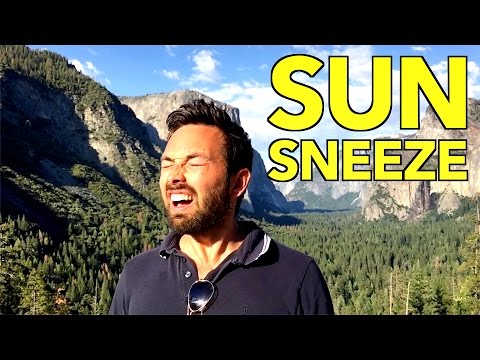
Ever been outside on a bright sunny day and suddenly found yourself sneezing? You’re not alone! Some people experience this peculiar phenomenon known as the photic sneeze reflex. It sounds odd, but it’s actually quite common.
This reflex causes sneezing in response to bright light. For many, it’s a quirky part of life, but it can lead to frustration or concern. Why does it happen, and what can be done about it? In this article, we’ll dive into the causes of photic sneeze reflex and explore some care options available for those who get affected.
Understanding how your body reacts to light can help you feel more in control. Plus, knowing what triggers it allows for simple adjustments that may ease the situation. We’ll keep this discussion light—not just about sneezes but about how our bodies work.
Remember, though: this information doesn’t replace professional medical advice. Health decisions should never be based solely on an article—always consult a healthcare professional when you have concerns.
Uncovering the Colorful Connection Between Sneezing and Your Eyes
Understanding the Photic Sneeze Reflex
Hey, have you ever noticed that bright light makes you sneeze? You’re not alone. This phenomenon is known as the photic sneeze reflex. It’s kind of interesting, right? Some people are more sensitive to light than others, and they might find themselves sneezing when they step into sunlight or even see a bright flash.
What Causes This Reflex?
The exact reason why this happens isn’t completely understood, but there’s a theory out there. Your brain processes various stimuli all at once. When your eyes detect bright light, it can accidentally trigger the sneeze response as well. It’s like your body gets confused!
Think of it like this: Imagine your friend is talking while you’re trying to listen to another conversation across the room. You might end up mixing things up! That’s how your brain might mistakenly connect sneezing with seeing bright lights.
Is Everyone Affected?
Nope! Not everyone has this reflex. Studies suggest that about 18-35% of people experience photic sneezing. It often runs in families too—so if your parent or sibling has it, you may just have inherited it.
Are There Different Types?
You bet! There are mainly two kinds of photic sneezers: those who sneeze in response to natural sunlight and those triggered by artificial light sources, like a camera flash or bright lamps. Isn’t that quirky?
What Can You Do About It?
If you’re someone who reacts to light this way, there’s no real treatment required—it’s generally harmless. But here are some practical ideas:
- Avoid sudden exposure to bright lights
- Wear sunglasses outside
- Use lower-wattage bulbs indoors
You know, sometimes just being aware of this reflex can help prepare for those unexpected sneezes!
The Connection Between Sneezing and Eyes
Sneezing and your eyes actually share a connection through the trigeminal nerve—a major nerve in your face that affects both senses. When one part is stimulated (like with light), another part (like sneezing) can also respond.
This shared pathway explains why wind can make some people want to sneeze too—not just because of allergens but because it’s tickling their eyes.
A Final Thought on Photic Sneeze Reflex
The thing is, while the photic sneeze reflex is unusual for some, it’s totally normal for others; just a funny quirk of nature! If you find yourself sneezing due to brightness often, it could be worth chatting with a healthcare provider if you’re concerned about its frequency or severity.
Your eyes may be sensitive in more ways than one!
Unlocking the Connection Between Light and Uncommon Sneezes in Autism
Understanding Photic Sneeze Reflex
Hey, have you ever heard of the photic sneeze reflex? It’s that quirky response where some people sneeze when they suddenly see bright light. Believe it or not, this is a real phenomenon, and it’s mostly harmless. Let’s break it down a bit.
What Causes It?
The exact cause isn’t fully understood, but it seems to be linked to how our nervous system reacts to light. When bright light hits our eyes, signals travel to the brain. In certain individuals, these signals might get mixed up and trigger a sneeze instead of just adjusting to the light.
Are People with Autism Affected?
Now here’s the interesting part: some studies suggest that people on the autism spectrum may experience this reflex more often than others. The reason could be related to differences in sensory processing. You know how everyone perceives sensory information differently? Well, in autism, this can sometimes lead to unexpected reactions like sneezing when exposed to sudden brightness.
Real-Life Example
If you’re out on a sunny day and suddenly walk into a brightly lit room, you might notice someone sneezing immediately. For those with this reflex—particularly if they’re autistic—this could happen even if they weren’t expecting that light change.
Coping Strategies
If you’re affected by photic sneezes or know someone who is—like your friend or family member—there are ways to manage it. Wearing sunglasses outdoors can help minimize sudden brightness from sunlight. Inside? Just try adjusting lighting gradually instead of flipping on harsh overhead lights all at once.
Misinformation and Myths
A common myth is that sneezing releases harmful toxins from your body; not true! Sneezing is just your body’s way of clearing irritants from your nose or throat—not something dangerous in normal situations.
The Bottom Line
So, while photic sneezes can be an odd little quirk for some folks—especially those with autism—they’re generally nothing major to worry about. Understanding this connection between light and sneezing not only helps shed light on our bodies’ responses but also encourages empathy for those who experience these unique sensitivities.
If these sneezes become bothersome or disruptive for anyone you’re close with, it’s best to encourage them to discuss it further with someone who can provide personalized suggestions or support.
Unpacking the Myths and Realities Behind a Common Quirk
Understanding Photic Sneeze Reflex
Ever noticed that some people sneeze when they step into bright light? Well, that’s called the photic sneeze reflex. It’s basically an involuntary response to bright light, especially sunlight. Sounds weird, right? But it’s actually more common than you might think.
How Does It Happen?
The underlying cause is still a bit of a mystery. The leading theory suggests that it has to do with the way our nervous system is wired. When light hits your eyes, it sends signals to your brain. For some people, these signals somehow overlap with those that trigger sneezing.
Who Experiences It?
It’s estimated that about 18-35% of people experience this reflex. It often runs in families. If your parents or siblings do it, chances are you might too! Imagine sneezing unexpectedly during a sunny day at the beach—it can be pretty amusing!
Is It Harmful?
Nope! Typically, the photic sneeze reflex isn’t harmful. It’s just a quirky response of the body. However, if it happens frequently and disrupts your daily life—like when driving—you might want to talk to someone about it.
What Can You Do About It?
If the sneezing bothers you, there’s no specific treatment for it since it’s usually benign. Some folks try wearing sunglasses when going outside to minimize bright light exposure. Looks kinda cool too!
Misinformation Around Sneezing
A common myth is that sneezing clears out germs from your body—a bit misleading! Sneezing does release particles from your nose and mouth but can’t actually “clean” anything out like some may think.
The Joy of Quirks
This reflex might seem annoying at times; however, it’s just one of many quirks our bodies have developed over time. Embracing these oddities can be part of what makes us unique individuals!
When To Seek Help
- If you’re frequently experiencing severe reactions.
- If it’s affecting activities like driving or working.
- If you’re uneasy about how often it happens.
Remembering that every body is different helps normalize these kinds of responses! It’s quite fascinating how diverse our reactions can be in various situations—sneezes included!
Understanding Photic Sneeze Reflex: Causes and Care Options
The photic sneeze reflex is this interesting phenomenon where some people sneeze when exposed to bright light, particularly sunlight. It’s a bit quirky and often catches individuals off guard. You might notice your friend or family member sneezing as they step outside into the sun; that’s them reacting to light.
This reflex is believed to be genetic. It’s thought to be caused by the brain’s confusion between the visual stimulus (bright light) and the signaling pathways that trigger a sneeze. This explains why not everyone sneezes in response to light—it’s simply how our bodies are wired, you know?
There isn’t really a specific treatment required for this reflex since it’s generally harmless. However, some folks might find wearing sunglasses helpful when transitioning from dark places to bright ones, as it reduces eye strain and minimizes the chance of sneezing unexpectedly.
In terms of care options, it’s always good practice for those affected to be aware of their triggers. If someone knows they’re prone to this reflex, anticipating it can save many awkward moments—like sneezing during a meeting or while driving!
If you or someone you know experiences excessive sneezing that feels out of control, it might be worth discussing with a healthcare provider just to rule out any other underlying issues.
In essence, while photic sneeze reflex might seem like a nuisance at times, understanding its causes helps in dealing with it better when it arises.