The information provided in this article is intended solely for general informational and educational purposes. It does not constitute medical advice, diagnosis or professional treatment, and should not be considered a substitute for consultation with a qualified doctor or other licensed healthcare professional. Any health-related decisions should be made in consultation with accredited medical professionals.
While efforts have been made to ensure the information is accurate and up to date, no guarantees are given—either express or implied—regarding its accuracy, completeness, currency or suitability. Use of this information is at your own discretion.
It is strongly recommended to consult official sources such as the NHS (National Health Service) or other recognised medical institutions before acting on any information contained on this website or article. Under no circumstances should professional medical advice be ignored or delayed due to content read here.
This content is of a general and informational nature only. It is not intended to replace individualised guidance from a healthcare professional or to establish any doctor-patient relationship. The publication of this information does not imply any professional responsibility, guarantee or obligation on the part of the author or this site.
Understanding Pleurisy Duration: What to Expect During Recovery
Have you ever felt a sharp pain in your chest when you breathe? That could be pleurisy. It’s not just a fancy medical term; it’s something many people may experience at some point.
Pleurisy is inflammation of the lining around your lungs. It can make breathing painful and uncomfortable. But what happens after that? How long does it last, and what can you do to feel better?
This article dives into what pleurisy really is, how long recovery might take, and what to expect during that time. We’ll break it down in a way that makes sense, so you won’t feel lost in medical jargon.
Understanding pleurisy is essential because it helps you manage your health better. Sometimes, knowing what to expect can ease anxiety about recovery and help you make informed decisions.
Remember, though, this content doesn’t replace professional medical advice. It’s always smart to consult with a healthcare provider regarding your specific situation.
Avoiding common pitfalls for a smoother recovery from pleurisy
Avoiding Common Pitfalls for a Smoother Recovery from Pleurisy
Pleurisy can be quite uncomfortable, you know? It’s that sharp pain in your chest when you breathe, and it happens because the lining of your lungs gets inflamed. Recovery can take time, and there are some common pitfalls to avoid along the way.
1. Ignoring Symptoms
Sometimes people think they should just power through the pain. But if things feel worse or if new symptoms pop up, that’s a signal. You might need to check in with someone who can help out.
2. Skipping Rest
Your body needs energy to heal, and rest is essential for recovery. If you push yourself too hard with work or activities, it could slow down the healing process.
3. Not Following Treatment Plans
If a healthcare professional prescribes medication or other treatments, it’s important to follow those recommendations closely. Skipping doses or changing plans without consulting them could lead to setbacks.
4. Avoiding Deep Breathing Exercises
You might think it’s too painful to take deep breaths when your chest hurts. However, gentle deep breathing helps keep your lungs clear and prevents complications like pneumonia.
5. Missing Out on Hydration
Staying hydrated is crucial! Drinking fluids helps thin mucus in the lungs and makes coughing more productive. Aim for plenty of water or herbal teas throughout the day.
6. Neglecting Diet
A balanced diet supports recovery as well! Foods rich in vitamins like fruits and vegetables help boost your immune system while whole grains provide necessary energy.
7. Stressing Yourself Out
Mental health matters too! Stress can impact physical recovery negatively—finding ways to relax through meditation or gentle movement might be helpful.
Understanding Pleurisy Duration: What to Expect During Recovery
Pleurisy recovery varies greatly depending on what caused it in the first place—bacterial infections tend to last longer than viral ones, for instance. Generally speaking though, it can take anywhere from a couple of weeks to several months.
The thing is if you focus on taking care of yourself by avoiding these common pitfalls, chances are you’ll have a smoother path toward feeling better again!
Understanding the Risks and Realities of Pleurisy Complications
Understanding Pleurisy and Its Complications
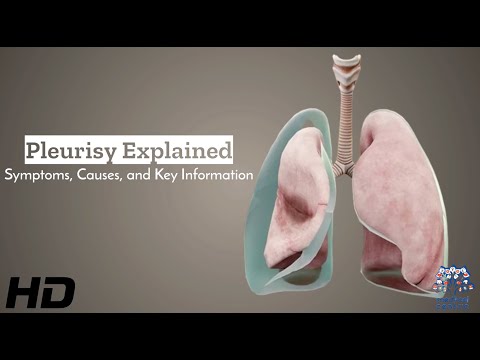
Pleurisy is an inflammation of the pleura, which are the thin membranes surrounding your lungs. This condition can lead to chest pain, especially when breathing or coughing. But what really happens if pleurisy complications arise? Let’s break it down.
Potential Complications
Sometimes, pleurisy can lead to more serious issues like a pleural effusion. This is when fluid builds up between the layers of the pleura. Imagine a balloon filling with water; too much fluid can cause problems, like difficulty breathing.
Pneumonia can also be a risk. When the lungs get irritated from inflammation, bacteria might take advantage and lead to infection. Think of it like leaving food out too long; it can spoil if not taken care of properly.
Symptoms to Watch For
If you notice increasing chest pain, shortness of breath, or fever, it’s important to pay attention. These symptoms might signal that complications are arising. It’s like getting a check engine light on in your car—definitely worth investigating!
Duration of Pleurisy and Recovery
The recovery time for pleurisy varies from person to person. It generally depends on what’s causing the inflammation and whether complications develop. While some folks might start feeling better within a week or two, others could take longer—sometimes several weeks or more.
Think about it in terms of healing from any injury; some recover faster than others based on their overall health and how they respond to treatment.
Treatment Approaches
- Pain Management: Over-the-counter pain relievers can help ease discomfort.
- Treating Underlying Causes: If an infection or another condition caused pleurisy, treating that issue is key.
- DRAINAGE: If there’s significant fluid buildup (pleural effusion), drainage may be needed.
The Importance of Follow-Up Care
Caring for yourself post-diagnosis is crucial. Regular check-ups help monitor progress and catch any complications early on. It’s similar to going for regular dental cleanings—not always fun but very important!
Mental Health Matters Too
Pleurisy doesn’t just affect your body; it can impact your mood too! Chronic pain and breathing difficulties might stress you out more than usual. Remember to talk about how you’re feeling with friends or family—it helps!
Your Takeaway?
Pleurisy is manageable for most people but comes with certain risks that shouldn’t be ignored. Understanding these risks will help you take better care during recovery so that you come out okay at the other end! It’s about listening to your body and knowing when to seek help.
Understanding How Long It Takes to Heal and Feel Better
Understanding Healing Time
You might be wondering how long it takes to heal from certain conditions. It’s a common question. With something like pleurisy, which is inflammation of the lining around your lungs, recovery can vary.
What is Pleurisy?
Pleurisy occurs when the pleura, the membrane covering your lungs, gets inflamed. This can cause pain while breathing and even lead to complications if not treated properly. Imagine the pleura like a protective wrap; when it gets torn or irritated, that’s when troubles start.
How Long Does Recovery Take?
The duration of recovery from pleurisy can differ from person to person. For some people, improvement may happen within a few days after treatment begins. Others might take weeks or even longer.
Factors That Affect Healing Time
- Underlying Conditions: If you have other lung issues or autoimmune diseases, healing could take more time.
- Treatment: The type of treatment you follow—like medication or rest—can play a big role in how quickly you get better.
- Age: Younger people usually heal faster than older adults due to their generally better overall health.
The Healing Process
You know, healing is not just about physical recovery but also emotional well-being. Feeling anxious or stressed can affect how your body heals. It’s important to take care of your mind as well as your body during this time.
Signs You’re Improving
As you recover from pleurisy, you might notice less chest pain and improved breathing comfort. When climbing stairs doesn’t feel like running a marathon anymore—that’s a sign! But remember that everyone heals at their own pace.
Your Role in Recovery
This isn’t just about waiting for time to pass; it’s active too! Following any treatment plan your healthcare provider sets out is key. Rest allows your body to focus on healing itself so don’t rush back into strenuous activities too soon.
A Word on Expectations
If you’re feeling frustrated during this process—that’s normal! Some people expect everything will be back to normal super quick but it takes time. Staying patient and maintaining communication with healthcare professionals can really help manage expectations during recovery.
A Final Thought
Pleurisy may seem daunting at first, but understanding what to expect can make a big difference in coping with it. Patience really is fundamental since everyone’s healing journey looks slightly different!
Understanding Pleurisy Duration: What to Expect During Recovery
Pleurisy is an inflammation of the pleura, which are the membranes surrounding your lungs. It can cause sharp chest pain, especially when you breathe in or cough. This condition often accompanies other illnesses, like pneumonia or a cold.
When you have pleurisy, recovery time varies based on the underlying cause and overall health. For many people, symptoms might improve within a few days to weeks. However, if it’s linked to more severe conditions, like an infection or autoimmune disease, recovery could take longer.
Typical Recovery Timeline
- Mild cases: If caused by a viral infection, you may start feeling better in one to two weeks.
- Moderate cases: Bacterial infections may require antibiotics; healing typically takes several weeks.
- Severe cases: Conditions like pulmonary embolism could prolong recovery significantly.
During recovery, rest is crucial. It helps your body heal while reducing strain on your lungs. Staying hydrated and following your healthcare provider’s advice can also make a big difference.
Pain Management
Pain relief is another key aspect of recovering from pleurisy. Over-the-counter medications like ibuprofen can help ease discomfort. But it’s important to consult a healthcare professional before starting any treatment plan.
The Importance of Follow-Up Care
If symptoms persist or worsen after initial treatment, it’s essential to seek medical advice again. Sometimes complications arise that need extra attention.
Pleurisy can feel overwhelming at first but understanding what to expect during recovery helps lessen anxiety. Remember that healing takes time and varies from person to person.