The information provided in this article is intended solely for general informational and educational purposes. It does not constitute medical advice, diagnosis or professional treatment, and should not be considered a substitute for consultation with a qualified doctor or other licensed healthcare professional. Any health-related decisions should be made in consultation with accredited medical professionals.
While efforts have been made to ensure the information is accurate and up to date, no guarantees are given—either express or implied—regarding its accuracy, completeness, currency or suitability. Use of this information is at your own discretion.
It is strongly recommended to consult official sources such as the NHS (National Health Service) or other recognised medical institutions before acting on any information contained on this website or article. Under no circumstances should professional medical advice be ignored or delayed due to content read here.
This content is of a general and informational nature only. It is not intended to replace individualised guidance from a healthcare professional or to establish any doctor-patient relationship. The publication of this information does not imply any professional responsibility, guarantee or obligation on the part of the author or this site.
Have you ever wondered if you can get pregnant while on your period? It’s a common question that sparks curiosity and confusion. Many people think it’s impossible, but there’s a bit more to the story.
Let’s break it down. Pregnancy usually happens when sperm meets an egg during ovulation. That generally occurs about halfway through your cycle, not during your period. But here’s the thing: sperm can live inside your body for up to five days. So, if you have a short cycle or irregular periods, there’s still a chance.
This article aims to shed light on the risks of pregnancy during your period and why understanding your menstrual cycle is crucial. It matters because being informed can help you make better choices regarding family planning and sexual health.
Remember, this isn’t a substitute for professional medical advice. Health decisions shouldn’t be based solely on this information alone—always consult with a healthcare professional for personalized guidance.
Understanding Your Fertility Window and Myths Surrounding Menstrual Cycles
Understanding Your Fertility Window
Fertility window refers to the specific days in your menstrual cycle when you can become pregnant. It mainly centers around ovulation, which is when an egg is released from the ovaries. Most women have a cycle that lasts about 28 days, but it can vary from 21 to 35 days.
Ovulation usually occurs around the midpoint of your cycle. So, if you have a 28-day cycle, ovulation might happen around day 14. This means your fertile window could be about six days long—five days before ovulation and the day of ovulation itself.
It’s like planning a surprise party; knowing when to set up is key! If you’re trying to conceive, tracking your cycles and noting any changes can give you valuable insights into when you’re most likely to get pregnant.
Menstrual Cycle Myths
There are plenty of myths surrounding menstrual cycles that can create confusion. A common belief is that it’s impossible to get pregnant during your period. Honestly, that’s not entirely true.
Sperm can live inside a woman’s body for up to five days. If you have sex during your period and ovulate shortly after, there’s a chance that sperm could still be there waiting for the egg.
This doesn’t mean it’s highly likely—you’re generally less fertile during menstruation—but the risk isn’t zero either.
Pregnancy Risks During Your Period
Many wonder if they should worry about pregnancy risks while they’re on their period. Look, while it’s less common, having unprotected sex at this time still holds some risk. This especially applies if you have shorter cycles or irregular periods.
If you’re not trying to conceive and want to avoid pregnancy, using contraception consistently is important no matter where you are in your cycle. Think of it like wearing a seatbelt in a car; it’s all about reducing risks!
Recognizing Ovulation Signs
Tracking your body for signs of ovulation can help clarify things as well. Some women notice changes like increased cervical mucus or slight aches on one side of their abdomen. Tracking these signs over time gives insight into how your body works and might help with planning or preventing pregnancy.
Conclusion
Your fertility window is an essential part of understanding reproductive health and family planning. Learning about menstrual cycles helps demystify misconceptions surrounding periods and fertility risks during menstruation.
Remembering these aspects empowers women with knowledge but always consider discussing personal concerns with a healthcare professional for tailored information!
A Guide to Understanding Your Fertility Window
Understanding Your Fertility Window
Hey, let’s talk about fertility and the chances of getting pregnant. It can be really confusing sometimes. The fertility window is the period in your menstrual cycle where it’s possible to conceive. This usually lasts for about six days leading up to and including ovulation.
What’s Ovulation?
Ovulation is when your ovary releases an egg. This typically happens around the middle of your cycle, but not for everyone. For instance, if you have a 28-day cycle, ovulation might occur around day 14. But if your cycle is longer or shorter, that timing changes.
Your Period and Fertility
Now, you might wonder about your period—can you get pregnant during it? Sometimes, yes. While it’s less likely to conceive during menstruation, it’s not impossible. Sperm can live in the female body for up to five days. If you have a short cycle and ovulate soon after your period ends, there’s potential risk.
Tracking Your Cycle
The key is understanding your own body. Tracking your menstrual cycle can help determine when you’re most fertile. There are apps for that! You’ll notice patterns over time which make it easier to identify your fertile window.
Signs of Ovulation
You might see signs like changes in cervical mucus or a slight increase in basal body temperature just before ovulating. Some people even feel a little twinge during this time—this could be ovulation pain.
Risk Awareness
If you’re actively trying not to get pregnant, be aware that accidents happen! Relying solely on tracking methods isn’t foolproof. It’s always wise to use protection if you want to avoid pregnancy.
Misinformation About Periods
A common myth is that having sex during your period completely ensures no chance of pregnancy; while unlikely, it isn’t impossible either! Understanding this helps dispel fears and encourages informed choices.
Your Menstrual Cycle Matters
- Average Cycle Length: Most cycles range from 21-35 days.
- Your Unique Pattern: Everyone’s timeline varies!
- Sperm Lifespan: They can survive for several days inside; keep this in mind!
If you’re considering pregnancy or avoiding it, being aware of these factors empowers you with knowledge about your own fertility journey.
Understanding Your Fertility Window During Your Cycle
Each menstrual cycle is a bit like a rhythm, moving through different phases. Understanding this rhythm can really help you grasp your fertility window. So, let’s break it down.
The Menstrual Cycle Phases
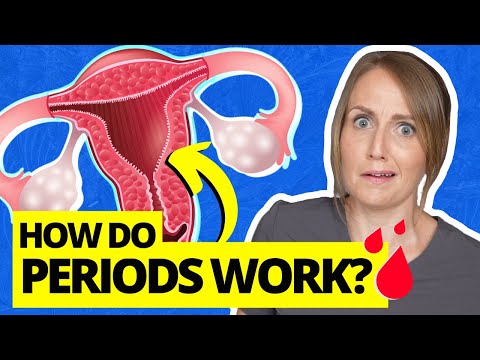
Your menstrual cycle generally lasts around 28 days, but it can vary from person to person. It consists of four main phases:
- Menstrual Phase: This is when you’re bleeding, usually lasting 3 to 7 days.
- Follicular Phase: After menstruation, your body starts developing follicles in the ovaries. This phase overlaps with the menstrual phase.
- Ovulation: Around day 14, one of those follicles releases an egg. This is your most fertile time.
- Luteal Phase: After ovulation, if that egg isn’t fertilized, your body prepares to start another cycle.
Your Fertility Window
The fertility window is typically about six days long—the five days leading up to ovulation and the day of ovulation itself. That’s when conception can happen if sperm meets the egg. Think of it as a small opportunity for pregnancy during each cycle!
Pregnancy Risks During Your Period
You might be wondering if it’s possible to get pregnant during your period; it does happen, but it’s relatively rare. Sperm can live inside the female body for up to five days in favorable conditions. If you have a short cycle and ovulate soon after your period ends, there could be a chance for pregnancy.
The Importance of Tracking
A lot of people find tracking their cycle helps them better understand their body’s unique patterns. You could use apps or simply mark dates on a calendar. Notice any changes? They could tell you a lot about when you’re more likely to be fertile!
Misperceptions About Fertility
This whole idea that you can’t get pregnant on your period? It’s misleading! While the risk may be lower during this time compared to other parts of the cycle, it isn’t zero. Plus, some women might have irregular cycles—no regularity means more uncertainty!
Final Thoughts
If you’re thinking about getting pregnant or just want to know more about your body, understanding these concepts matters! Keep track of how long cycles are and when ovulation happens; it’ll empower you with knowledge over time!
Understanding Pregnancy Risks During Your Period
Pregnancy risks during your period can be confusing. Many people assume that if they are menstruating, they can’t become pregnant. It’s a common belief, but it’s not entirely accurate. Let’s break it down.
First off, it’s good to understand how the menstrual cycle works. A typical cycle lasts about 28 days, but it can range from 21 to 35 days for many people. Ovulation typically occurs around the midpoint—day 14 in a standard cycle. That’s when an egg is released and can meet sperm for fertilization.
If you have unprotected sex close to ovulation, that’s when the chances of getting pregnant are higher. Sperm can live inside the female body for up to five days, so if you have sex just before your ovulation window, there’s still a chance that sperm can be around when the egg is released.
Now let’s talk about having sex during your period. While it might seem unlikely for pregnancy at this time, it’s possible under certain circumstances. For example, if you have a shorter menstrual cycle and ovulate soon after your period ends, intercourse during your period could lead to pregnancy.
It might feel counterintuitive; after all, bleeding often signifies that you’re not pregnant! However, cycles vary a lot from person to person and month to month.
Using contraception consistently is one way to manage these risks effectively. If there are any doubts or questions about cycle timing or contraceptive methods, consulting with a healthcare provider makes sense.
The bottom line is this: while having your period does lower the chances of becoming pregnant significantly, it doesn’t eliminate them entirely. Keeping track of your cycles and understanding your body can help clarify risks going forward.