
The information provided in this article is intended solely for general informational and educational purposes. It does not constitute medical advice, diagnosis or professional treatment, and should not be considered a substitute for consultation with a qualified doctor or other licensed healthcare professional. Any health-related decisions should be made in consultation with accredited medical professionals.
While efforts have been made to ensure the information is accurate and up to date, no guarantees are given—either express or implied—regarding its accuracy, completeness, currency or suitability. Use of this information is at your own discretion.
It is strongly recommended to consult official sources such as the NHS (National Health Service) or other recognised medical institutions before acting on any information contained on this website or article. Under no circumstances should professional medical advice be ignored or delayed due to content read here.
This content is of a general and informational nature only. It is not intended to replace individualised guidance from a healthcare professional or to establish any doctor-patient relationship. The publication of this information does not imply any professional responsibility, guarantee or obligation on the part of the author or this site.
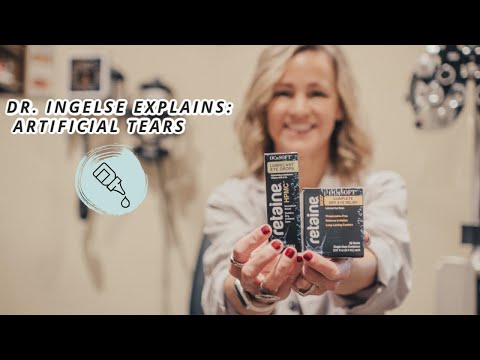
Have you ever felt that scratchy, dry sensation in your eyes after staring at a screen for too long? You’re definitely not alone. Many people experience similar discomfort, which can stem from various causes. One common solution is Retaine MGD (PF).
This eye drop provides relief, especially for those suffering from dry eye conditions related to meibomian gland dysfunction. Understanding how it works and its potential side effects can make a big difference in managing your comfort and overall eye health.
The thing is, while Retaine MGD (PF) may help soothe those irritated eyes, it’s important to know the ins and outs of using it. This article breaks down what this product is all about, how it functions, and any side effects you might want to consider.
Remember, this information isn’t a substitute for professional medical advice. Health decisions should always involve consultations with healthcare professionals who know your individual situation best.
Let’s dive into the details so you can feel empowered in taking care of your eyes!
Important Safety Alert: Retaine Eye Drops Recall Affects Your Eye Care
Understanding the Retaine Eye Drops Recall
Hey there, let’s talk about the recent recall of Retaine eye drops. You might’ve heard about it and wondered, “What does this mean for my eyes?” Well, first off, Retaine MGD (PF) is a lubricant designed to help with dry eyes. It’s meant to ease discomfort by adding moisture.
Why the Recall Happened
The recall was issued due to concerns over sterility. Sterility means that no harmful germs or bacteria can exist in the product. If an eye drop isn’t sterile, it could lead to serious infections or complications. This is crucial because our eyes are sensitive and need extra care.
How It Affects Your Eye Care
If you’re using these drops, it’s important to stop until you know more about the situation. It doesn’t mean all dry eye treatments are unsafe—there are many other options available! Your comfort still matters.
What To Do Next
- Check your medicine cabinet for any Retaine products.
- If you have them, don’t use them right now.
- Contact your pharmacist or healthcare provider for alternatives.
- Keep up with updates from reliable sources like the FDA regarding the recall status.
Side Effects and Alternatives
You might wonder if there are side effects from using these drops before they were recalled. Common side effects can include temporary blurred vision or a stinging sensation when applying them. If you experience anything unusual, make sure to reach out for help.
There are numerous alternative lubricating eye drops out there that could work just as well for you! Look into preservative-free options which tend to be gentler on sensitive eyes. Ask your doctor about those if you’re not sure what to pick!
A Final Note
The recall is serious but not a reason to panic. Understanding what’s going on helps us take better care of ourselves. Always keep an open line with healthcare providers—they’re there to help guide you through changes in your medications and ensure your eye health remains top priority.
Your eyes deserve good care, so stay informed and make choices that feel right for you!
Uncovering the Truth Behind Retaine: Real Experiences and Results
Understanding Retaine MGD (PF): What You Should Know
If you’re dealing with dry eyes, you’ve probably heard of Retaine MGD (PF). It’s often mentioned for its ability to help replenish moisture in the eye. But what’s really behind it? Let’s break it down.
What is Retaine MGD (PF)?
Retaine MGD stands for “Moisture Gel Drops” and “Preservative Free.” It aims to provide relief from dry eye symptoms by using a thicker formula that stays on the surface of the eye longer. Imagine putting a moisturizing lotion on your skin—it feels good and creates a barrier against dryness.
How Does It Work?
The thing is, Retaine contains special ingredients that mimic natural tears. These can help keep the surface of your eyes lubricated. When your eyes don’t produce enough tears naturally, products like Retaine can be helpful in providing that extra moisture.
Real Experiences and Results
A lot of people report finding relief with Retaine—some say they feel instant hydration after just one drop. Others share how they’ve noticed a difference over time, feeling less irritation throughout the day. It’s worth mentioning though that experiences can really vary from person to person.
Possible Side Effects
No product is without potential side effects. Some users have experienced temporary discomfort or blurred vision right after using it. This usually goes away pretty quickly, but if it lingers, you might want to talk to someone about it.
- Temporary vision changes: Some people report brief blurriness after application.
- Irritation: A few might feel a slight stinging sensation as well.
- No preservatives: The absence of preservatives makes it gentler for sensitive eyes but doesn’t completely eliminate reactions.
Who Can Use It?
The nice thing about Retaine is that it’s safe for many people, including those who wear contact lenses. However, it’s still important to consult with an eye care provider if you’re unsure whether it’s right for you or if you have underlying conditions affecting your eyes.
A Word on Myths
You may come across claims suggesting that any artificial droplet can replace your natural tears completely—it’s just not true. Think of artificial tears more like support rather than a full-on replacement; they help manage symptoms but don’t fix underlying causes permanently.
If you’re considering adding Retaine MGD (PF) into your routine, it might be helpful to keep an open dialogue with someone who knows about eye health—this way you can track how well it’s working for you personally over time!
Discover the True Cost of Retaine Eye Drops and What to Expect
Understanding Retaine Eye Drops
So, you’ve been hearing about Retaine eye drops, huh? These are specifically designed to help with dry eyes and some people find them really useful. But what makes them different?
Retaine MGD (PF) stands for “Meibomian Gland Dysfunction (Preservative Free).” Basically, it aims to mimic natural tears without using preservatives, which can be harsh on the eyes.
What It’s Used For
This eye drop is mainly for people who experience chronic dryness in their eyes. You know those days when your eyes feel scratchy or tired? That’s where Retaine comes in. It helps to lubricate the surface of your eyes.
Sometimes, it’s used after certain eye surgeries or in conditions like blepharitis, which is when the eyelids get inflamed.
Potential Side Effects
No medication is without potential side effects. Honestly, with Retaine, most people tolerate it well. However, you might experience a temporary burning sensation right after using it—sort of like when you accidentally get soap in your eyes.
- Slight blurry vision
- Irritation
- Redness
The True Cost of Retaine Eye Drops
You might be wondering about the price. Well, let’s talk about that! The cost can vary quite a bit depending on where you buy it. Generally speaking, retail prices can range from $15 to $30 for a bottle.
If you’re considering long-term use—like daily drops—you should factor that into your budget. Sometimes insurance may cover part of the cost but not always!
What to Expect When Using Retaine
When you start using these drops, keep an eye on how you’re feeling (not literally!). It may take a few uses before you notice any real change in comfort level.
If irritation continues or worsens after using them for some time? It’s probably best to reach out for more personalized advice from someone who knows your health history better.
A Few Final Thoughts
The key takeaway here? Know what you’re getting into with Retaine eye drops and gauge how they work for your specific needs. They’re designed to help relieve dryness but results can vary from person to person.
If there are questions floating around in your mind or if you have any concerns—talking with someone knowledgeable about these matters is always good practice!
Retaine MGD (PF) is a preservative-free eye drop designed to help manage dry eye symptoms, particularly for those with Meibomian Gland Dysfunction (MGD). MGD occurs when the glands in your eyelids that produce oil for tears become blocked or dysfunctional. This can lead to evaporative dry eyes because the tear film is not stable.
The formulation of Retaine MGD includes ingredients that mimic natural tears, providing hydration and lubrication. It’s really important for people who struggle with chronic dry eye as it comes without preservatives, reducing the risk of further irritation often caused by additives found in other eye drops.
While generally well-tolerated, side effects can include temporary blurred vision after application or a sensation of something in the eye. These are usually mild and fade quickly. However, if persistent discomfort occurs, it’s advisable to consult an eye care professional.
Realistically, many people have found significant relief using Retaine MGD (PF), but understanding individual needs remains crucial. Eye care is not one-size-fits-all; what works wonders for one person might not be as effective for another. Staying informed and working closely with health providers can really help make the best decisions about treatment options.
