The information provided in this article is intended solely for general informational and educational purposes. It does not constitute medical advice, diagnosis or professional treatment, and should not be considered a substitute for consultation with a qualified doctor or other licensed healthcare professional. Any health-related decisions should be made in consultation with accredited medical professionals.
While efforts have been made to ensure the information is accurate and up to date, no guarantees are given—either express or implied—regarding its accuracy, completeness, currency or suitability. Use of this information is at your own discretion.
It is strongly recommended to consult official sources such as the NHS (National Health Service) or other recognised medical institutions before acting on any information contained on this website or article. Under no circumstances should professional medical advice be ignored or delayed due to content read here.
This content is of a general and informational nature only. It is not intended to replace individualised guidance from a healthcare professional or to establish any doctor-patient relationship. The publication of this information does not imply any professional responsibility, guarantee or obligation on the part of the author or this site.
Ever experienced a rash that just won’t go away? It can be unsettling. Now, imagine if that rash was painful and showed up on your buttocks. Not exactly what you want to deal with, right?
Shingles is a viral infection caused by the same virus as chickenpox. It commonly appears as a stripe of blisters but can show up in unexpected places, like your backside. Understanding shingles is key because it affects more than just your skin; it can bring discomfort and anxiety.
This article dives into the symptoms of shingles on the buttocks and how to care for it. We’ll discuss everything from the signs to look out for, to home remedies you might consider.
It’s important, though, to remember that while this information is helpful, it’s not a substitute for professional medical advice. Always check with a healthcare provider when making decisions about your health.
Let’s unpack this together and hopefully ease some concerns along the way!
A Visual Journey Through an Uncommon Skin Condition
Understanding Shingles on the Buttocks
So, shingles, what’s the deal? It’s a viral infection caused by the varicella-zoster virus. You might recognize its sibling, chickenpox. If you’ve had chickenpox before, this virus can stick around in your body and resurface later as shingles.
Shingles can pop up anywhere on your body, including those less talked about areas like your buttocks. Often marked by painful blisters or rashes, it brings along some unwelcome symptoms.
Symptoms of Shingles
The first signs of shingles often include burning or tingling in a certain area. Imagine feeling like you’ve been lightly zapped or that there’s an annoying itch that won’t go away. This is usually followed by a rash that forms clusters of red bumps.
A few days after those bumps appear, they turn into fluid-filled blisters. These eventually crust over and dry out. It’s pretty uncomfortable! Sometimes the pain sticks around longer than the rash itself—a condition known as postherpetic neuralgia.
Treating Shingles
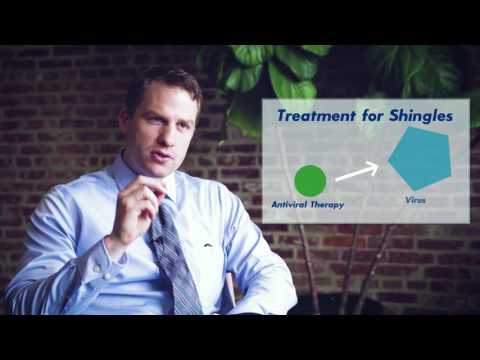
You might wonder what to do when you spot these symptoms. First off, seeking medical advice is a good move. Doctors generally prescribe antiviral medications to shorten the duration and lessen the severity of symptoms.
Pain relief becomes essential too! Over-the-counter pain relievers can help manage discomfort while soothing creams may provide some relief for irritation.
Caring for Yourself
Taking care of yourself while dealing with shingles is key. Keeping the affected area clean and dry helps prevent secondary infections from occurring. Loose clothing can also make a difference—who wants tight fabric rubbing against sore spots?
Stress management plays an important role too since stress can exacerbate symptoms or even trigger outbreaks in some people. Techniques like deep breathing or mindfulness can be helpful.
When to Seek Further Help?
If you find that your pain lingers long after healing or if you notice unusual changes in your skin color or temperature around the rash area, don’t hesitate to reach out again to a healthcare provider!
Look at it this way: understanding shingles gives you better control over what’s happening with your body and how to handle it best.
- If you’ve ever had chickenpox, keep an eye out!
- The sooner you address symptoms, typically the easier it gets.
- Your mental health matters just as much during this time!
- Staying informed helps reduce anxiety about what’s happening!
If anyone mentions treatments that sound too good to be true—like miracle cures—it’s totally fair to question them! Always rely on trusted sources for guidance regarding health concerns.
Fast Relief Strategies to Banish Shingles and Reclaim Your Comfort
Understanding Shingles on the Buttocks: Symptoms and Care
Shingles is a viral infection that causes a painful rash, often appearing on one side of the body. It’s actually caused by the varicella-zoster virus, the same virus that leads to chickenpox. If you’ve had chickenpox before, you carry this virus in your body, and it can reactivate later in life, leading to shingles.
Symptoms of Shingles
One of the first signs is usually pain or tingling in an area before any rash appears. Sometimes it feels like a deep ache, almost as if you’ve pulled a muscle. Then, after a few days, red patches typically develop into blisters which are filled with fluid.
- The rash often forms on one side of your body.
- It might be accompanied by fever or fatigue.
- A burning sensation can also occur in the affected areas.
Caring for Shingles
If you find yourself dealing with shingles on your buttocks, first know that you’re not alone—many people experience this condition. The discomfort can be quite significant which makes proper care important.
You might want to keep the affected area clean and dry. This helps prevent infection since ruptured blisters can be an entry point for bacteria. Applying cool compresses could provide some relief too; just dampen a cloth with cool water and gently place it on the rash.
Pain Management Strategies
Pain relief is crucial when dealing with shingles. Over-the-counter pain relievers like ibuprofen or acetaminophen may help ease discomfort. But check with someone knowledgeable if you’re unsure about using them around your health history.
- A topical cream containing capsaicin might reduce pain when applied to the skin.
- Some people find relief through soothing oatmeal baths—just add colloidal oatmeal to warm bathwater!
Also, consider wearing loose-fitting clothing made from soft fabrics to avoid irritating sensitive skin around the affected area. Tight clothes can increase friction and discomfort—so keep it comfy!
When to Seek Help
If symptoms are particularly severe or if there’s confusion about what’s going on, reaching out for professional advice is wise. Watch out for signs like high fever or difficulty seeing; those need immediate attention.
Ultimately, while there isn’t a quick fix for everyone dealing with shingles, understanding what you’re experiencing plays a huge role in finding comfort during recovery.
Understanding the Risks and Realities of Shingles Transmission
Shingles, also known as herpes zoster, happens when the varicella-zoster virus reactivates in someone who’s had chickenpox. It can be a pretty painful condition, and it often shows up as a rash or blisters. One common site for shingles is actually the buttocks. But you might be wondering about how it spreads.
How Shingles Spreads
Let’s start with this: shingles is not contagious in the same way that, say, a cold is. You can’t catch shingles from someone else who has it. The thing is, if you’ve never had chickenpox or the vaccine for it, you could get chickenpox by coming into contact with the shingles rash.
- In other words, if shingles blisters are oozing and you touch them, and then touch your face or another part of your body without washing your hands—boom—you could end up with chickenpox.
- If you’ve already had chickenpox (even years ago), you’re at risk for developing shingles again but not at risk for getting someone else’s shingles.
Risk Factors
You should know there are certain factors that increase your chances of getting shingles. For instance:
- Aging: The older you get, the higher your risk becomes.
- Stress: Honestly, stress can weaken your immune system—making it easier for the virus to reactivate.
- Illness: Conditions that compromise your immune system can trigger shingles as well.
Preventive Actions
If you’re around someone with active shingles and you’re unsure if you’ve had chickenpox before, it’s smart to be cautious. Keeping a distance while they have visible symptoms can help reduce any risks. Also, getting vaccinated against shingles can decrease your chances of experiencing it later in life.
Take Care During Outbreaks
If you do have an active case on your buttocks or elsewhere:
- Avoid close contact with unvaccinated individuals or those who’ve never had chickenpox.
- Covering up any rashes helps prevent accidental spreading while also minimizing irritation from clothing.
The Bottom Line?
The reality is that while shingles itself isn’t contagious like some other illnesses out there, caution is still key! If you’re unsure about how it’s transmitted or what steps to take during an outbreak, it might be a good idea to chat things over with someone knowledgeable in health—like a healthcare provider or local pharmacist!
Your health matters; stay informed and take care of yourself (and others) during outbreaks!
Understanding Shingles on the Buttocks: Symptoms and Care
Shingles can be a painful experience, and when it appears on the buttocks, it can be particularly uncomfortable. This viral infection is caused by the varicella-zoster virus, which also causes chickenpox. After a person recovers from chickenpox, the virus lies dormant in the nervous system and may reactivate later in life.
The symptoms of shingles typically include a painful rash that develops into blisters. You might feel tingling or burning sensations before the rash appears. Sometimes, people even experience flu-like symptoms before the rash shows up. It’s important to note that shingles can affect any area of your body, but when it’s on the buttocks, it might interfere with sitting or other daily activities.
Care and Management
Caring for shingles primarily involves managing pain and preventing complications. Antiviral medications, like acyclovir or valacyclovir, are often prescribed to speed up healing if taken early enough. Over-the-counter pain relievers—like ibuprofen—can help too.
Keeping the affected area clean and dry is essential; this may prevent infections from developing where the blisters have formed. Loose-fitting clothing can also reduce discomfort while you heal. Remember that shingles is contagious to those who haven’t had chickenpox or received the vaccine.
When to Seek Help
If you suspect you have shingles on your buttocks or anywhere else, it’s wise to consult a healthcare provider promptly. They can provide guidance tailored to your situation and help manage any complications that arise.
The journey through shingles requires patience and care; understanding its symptoms leads to better management of discomforts associated with this condition.