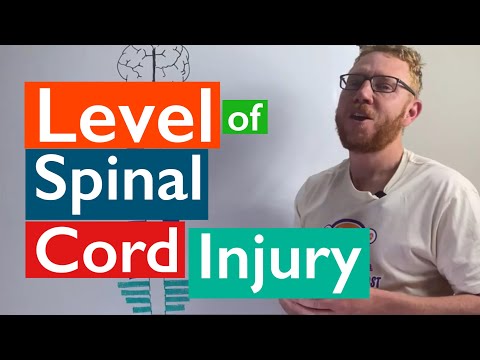
The spine is like the body’s electrical highway, transmitting signals between the brain and the rest of the body. When a spinal cord injury occurs, it’s as if that highway experiences a severe traffic jam or a dangerous detour. Understanding spinal cord injury is crucial for recognizing its signs and taking preventive steps to protect our bodies.
Every year, thousands face life-altering consequences because of these injuries. They can happen in an instant—from sports accidents to falls at home or car crashes. But understanding how they occur can empower you to make safer choices.
Signs of spinal cord injury may vary greatly but often include sudden loss of feeling or movement, intense back pain, or unusual sensitivity in certain areas. Knowing these signs could save a life one day.
Preventing such injuries involves awareness and proactive measures. Simple actions, like wearing seatbelts and using protective gear during sports, can significantly reduce your risk.
But remember: while knowledge is power, navigating health information requires caution. It’s wise to consult various specialists and credible sources about spinal cord injuries. Misinformation can lead to misunderstanding—so seek out trusted advice from healthcare professionals and reputable media outlets before making any decisions related to your health.
Your spine deserves care! Curious about more? Let’s dive deeper into understanding this vital part of our body together.
The information provided in this article is intended solely for general informational and educational purposes. It does not constitute medical advice, diagnosis or professional treatment, and should not be considered a substitute for consultation with a qualified doctor or other licensed healthcare professional. Any health-related decisions should be made in consultation with accredited medical professionals.
While efforts have been made to ensure the information is accurate and up to date, no guarantees are given—either express or implied—regarding its accuracy, completeness, currency or suitability. Use of this information is at your own discretion.
It is strongly recommended to consult official sources such as the NHS (National Health Service) or other recognised medical institutions before acting on any information contained on this website or article. Under no circumstances should professional medical advice be ignored or delayed due to content read here.
This content is of a general and informational nature only. It is not intended to replace individualised guidance from a healthcare professional or to establish any doctor-patient relationship. The publication of this information does not imply any professional responsibility, guarantee or obligation on the part of the author or this site.
Recognize the Red Flags Before It’s Too Late
Understanding spinal cord injuries (SCI) is crucial for prevention and timely response. Recognizing the red flags can help avoid serious complications or long-term damage. Here are key signs to watch out for.
Loss of movement in any part of your body is a significant warning sign. If you suddenly can’t move your arms or legs, seek help immediately.
Sensory changes like numbness or tingling can also indicate a problem. If you feel weird sensations or complete loss of feeling, it’s essential to get evaluated.
Pain in the back or neck that feels severe and doesn’t go away could be related to an injury. Don’t ignore consistent pain; it’s your body’s way of signaling distress.
Another critical sign is difficulties with bladder or bowel control. If you’re experiencing issues in these areas, it could suggest nerve involvement from an SCI.
Also, look out for muscle weakness. Feeling weak when trying to stand up or walk might point toward spinal issues. Pay close attention if this weakness appears suddenly.
Being aware of respiratory problems, like trouble breathing or swallowing, may also be vital. The spinal cord controls many bodily functions; issues here can seriously impact breathing.
To prevent spinal cord injuries, it’s important to take safety measures seriously:
Educating yourself about these signs and preventative steps equips you with knowledge that may save lives.
Remember, if you notice any of these red flags, it’s important not to delay seeking medical advice. Early intervention can dramatically change outcomes. Stay informed and attentive to your health!
Essential Actions to Take for Safety and Recovery
Understanding spinal cord injury can be complex. It’s vital to recognize the importance of taking specific actions for safety and recovery. Here are some essential steps.
First, identify the signs of a spinal cord injury. Common symptoms include numbness, weakness, or loss of movement in limbs. If someone experiences these signs after an accident, it’s crucial to get medical help immediately.
Prevention is key to minimizing risks associated with spinal cord injuries. Here are some steps you can take:
Once an injury occurs, focus on recovery. Rehabilitation plays a significant role here. The goal is to regain as much functionality as possible.
A multidisciplinary team often supports rehabilitation efforts. This team may include physical therapists, occupational therapists, and psychologists. Each plays a unique role in promoting healing.
Listening to your body is also crucial during recovery. Make sure to communicate any discomfort or changes with healthcare providers. They can adjust your treatment plan accordingly.
In addition, emotional wellness shouldn’t be overlooked post-injury. Support groups can provide connection and understanding from others who are experiencing similar challenges.
There’s often misinformation around spinal cord injuries. It’s important not to fall for myths like “you will never walk again” without consulting professionals first.
Staying informed about your condition empowers you in making health decisions. Researching credible sources and asking questions helps clarify what you need to know.
Remember, every person’s pathway to recovery is unique. Patience and persistence are essential qualities during this journey.
In conclusion, recognizing the signs of spinal cord injury and taking preventative measures can protect you and others from future harm. Prioritizing rehabilitation and emotional support further enhances recovery chances while debunking myths ensures informed health choices moving forward.
Navigating Care and Recovery for Spinal Cord Injury Patients
Spinal cord injuries (SCI) can be life-altering. Understanding how to navigate care and recovery is essential for patients and families alike.
A spinal cord injury happens when the spinal cord is damaged, often due to trauma. This can lead to loss of movement or sensation below the injury site. The impact varies, depending on where the injury occurs.
Recognizing signs of a spinal cord injury quickly can save lives. Common signs include:
If you suspect an injury, seek immediate medical attention.
Prevention is key. Simple steps such as wearing seat belts, using helmets while biking, and being cautious during sports can help reduce the risk.
Once a diagnosis is made, care begins with stabilization. This often involves treatments to prevent further damage and complications.
Recovery from SCI takes time and may involve:
Each patient’s journey is unique. Goals are set based on individual abilities and needs.
The role of caregivers cannot be overstated. They provide essential support throughout recovery. Communication between healthcare providers, patients, and families fosters better outcomes.
Adaptive devices, like wheelchairs or braces, can greatly enhance independence for individuals living with SCI.
Nutrition also plays a role in recovery. A balanced diet supports healing and overall well-being.
Finally, staying informed about advancements in research is important. New therapies and technologies are continually evolving in this field.
Recovery from a spinal cord injury is challenging but achievable with the right support system in place. Stay proactive in your care journey while remaining hopeful for future possibilities.
Understanding spinal cord injury (SCI) is crucial for both prevention and effective response. SCI can significantly impact a person’s life, leading to changes in mobility, sensation, and overall health. Awareness of the signs of SCI can make a difference in outcomes.
Signs of Spinal Cord Injury:
Recognizing the symptoms early can save lives. Common signs include:
Each sign may indicate varying severity and requires immediate medical attention.
Prevention Steps:
Preventing spinal cord injuries often involves both awareness and education. Here are key strategies:
Education about these steps can empower individuals to make safer choices.
Overall, understanding spinal cord injuries involves recognizing signs and taking proactive measures. By promoting awareness and safety practices, we can reduce the incidence of these potentially life-changing injuries. Let’s encourage conversations around this topic to foster informed communities that prioritize health and wellbeing.