The information provided in this article is intended solely for general informational and educational purposes. It does not constitute medical advice, diagnosis or professional treatment, and should not be considered a substitute for consultation with a qualified doctor or other licensed healthcare professional. Any health-related decisions should be made in consultation with accredited medical professionals.
While efforts have been made to ensure the information is accurate and up to date, no guarantees are given—either express or implied—regarding its accuracy, completeness, currency or suitability. Use of this information is at your own discretion.
It is strongly recommended to consult official sources such as the NHS (National Health Service) or other recognised medical institutions before acting on any information contained on this website or article. Under no circumstances should professional medical advice be ignored or delayed due to content read here.
This content is of a general and informational nature only. It is not intended to replace individualised guidance from a healthcare professional or to establish any doctor-patient relationship. The publication of this information does not imply any professional responsibility, guarantee or obligation on the part of the author or this site.
Understanding Squamous Cell Lung Carcinoma: Symptoms and Care
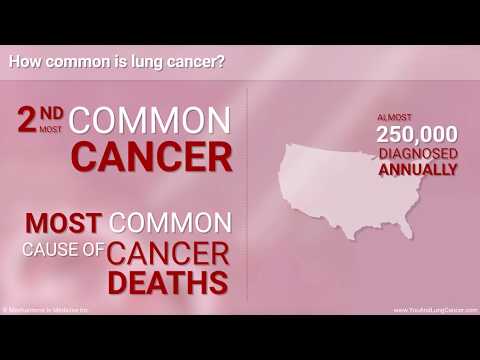
Have you ever thought about how many people are affected by lung cancer? It’s a staggering number, and squamous cell lung carcinoma (SCC) plays a big part in that statistic. This type of lung cancer often sneaks in silently, making it essential to recognize its signs early.
Maybe you know someone going through it, or perhaps you’re feeling unsure about your own health. You’re not alone in feeling concerned. Understanding SCC is the first step toward awareness and care.
This article will break down what squamous cell lung carcinoma really is, the common symptoms to watch out for, and ways to manage care effectively. We’ll keep things straightforward—no complicated medical jargon here.
The thing is, decisions about your health shouldn’t come from reading an article alone. It’s always best to talk with a healthcare professional who can give personalized advice based on your situation. So let’s dive in together and uncover what you need to know!
Uncovering the Warning Signs of Lung Squamous Cell Carcinoma
Understanding Lung Squamous Cell Carcinoma
Lung squamous cell carcinoma is a type of lung cancer. It starts in the squamous cells, which are thin, flat cells lining the airways. These cells can change due to exposure to harmful substances like tobacco smoke. So, recognizing the warning signs early on can be crucial for better outcomes.
Common Symptoms
You might wonder what symptoms to watch for. Common signs include:
- Persistent cough that doesn’t go away
- Chest pain that worsens with deep breaths or coughing
- Unexplained weight loss or appetite loss
- Shortness of breath or wheezing
- Blood in sputum (the mucus you cough up)
If you experience these symptoms, it’s important to talk to someone who can help—like a healthcare professional.
The Importance of Early Detection
Catching squamous cell carcinoma early can make a significant difference. The earlier it’s found, the more treatment options there are available. Think of it like fixing a leak in your roof before it turns into a waterfall inside your house.
Risk Factors!
Certain factors increase the risk of developing lung squamous cell carcinoma. Smoking is the most significant risk factor—about 90% of lung cancer cases link back to tobacco use. Additionally, exposure to secondhand smoke, certain workplace chemicals, or even previous lung diseases may contribute.
Diagnosis Techniques
If there’s suspicion of lung cancer, doctors use several methods for diagnosis:
- X-rays: They help visualize abnormal growths in the lungs.
- CT scans: These provide more detailed images than standard X-rays.
- Biospy: This involves taking a small tissue sample to check for cancer cells.
A combination of these tests helps paint a clearer picture.
Remember tho that having one or more risk factors doesn’t guarantee someone will get cancer; it’s just an increased chance.
Treatment Options
Treatment for this type of lung cancer generally involves surgery, chemotherapy (using drugs to kill cancer cells), and radiation therapy (using high-energy rays). The choice depends on various factors including stage and overall health.
Don’t hesitate to ask questions about treatment; understanding what’s happening can ease anxiety!
A Final Note
Lung squamous cell carcinoma is serious but being aware and informed empowers you or your loved ones to take action when needed. Stay vigilant about changes in health and don’t hesitate to seek advice when something feels off!
Understanding the Outlook for Lung Squamous Cell Carcinoma: Key Insights and Expectations
Understanding Lung Squamous Cell Carcinoma
Lung squamous cell carcinoma (SCC) is a type of lung cancer that develops from squamous cells. These cells line the airways and can become cancerous due to factors like smoking or exposure to certain toxins. It’s one of the more common forms of lung cancer, especially in smokers.
Symptoms of Lung SCC
People with lung SCC may experience a range of symptoms. Commonly, these include a persistent cough, chest pain, and difficulty breathing. Sometimes, weight loss occurs without trying.
It’s crucial to be aware of other symptoms too, such as coughing up blood or wheezing. If you or someone you know is experiencing these signs, it is important to consult a healthcare provider.
Diagnosis Process
Diagnosing lung SCC typically involves imaging tests like X-rays or CT scans followed by a biopsy. A biopsy is when a small sample of tissue is taken for examination under a microscope. This helps determine if there are cancerous cells present.
Treatment Options Available
The outlook for someone diagnosed with lung SCC depends on several factors including the stage at which it’s diagnosed. Treatment often includes surgery, chemotherapy, and possibly radiation therapy.
Surgery aims to remove the tumor while chemotherapy targets cancer cells throughout the body. Sometimes targeted therapies may be used as well; these focus on specific weaknesses within the cancer cells.
Impact on Quality of Life
Coping with lung SCC can be challenging not just physically but emotionally too. Support from friends, family, and healthcare teams is vital during this time. Many treatment centers offer resources for mental health support which can help patients manage anxiety or depression related to their diagnosis.
Living with Lung SCC
For those living with lung squamous cell carcinoma, regular follow-ups are crucial for monitoring health and managing any side effects from treatment. Being proactive about communication with your medical team can ensure that any concerns are addressed promptly.
The Importance of Research and Awareness
Research continues into better ways to treat lung SCC and improve outcomes for patients. Awareness campaigns also play an important role in helping people understand risk factors associated with this type of cancer—especially smoking cessation initiatives that aim to reduce its incidence.
A Final Note
The journey through diagnosis and treatment can feel overwhelming at times; it’s okay to seek information and support wherever possible. Remember that you’re not alone in this fight—many resources are available to help navigate through challenges linked with lung squamous cell carcinoma.
Understanding the Stages and Changes in Squamous Cell Lung Cancer
Understanding Squamous Cell Lung Cancer
Squamous cell lung cancer (SCC) is a type of lung cancer that starts in the squamous cells, which are flat cells lining the airways. It’s usually linked to smoking, but not always. Imagine those cells as tiny bricks in a wall. When they become damaged, they can start growing out of control, leading to cancer.
The Stages of Squamous Cell Lung Cancer
Cancer isn’t just one thing; it has stages that help doctors understand how far it has progressed. In way, you can think of these stages like chapters in a book.
- Stage 0: This is when it’s still localized and hasn’t invaded deeper layers.
- Stage I: The tumor is small and hasn’t spread outside the lungs.
- Stage II: It may have spread to nearby lymph nodes, but it’s still treatable.
- Stage III: Now it’s more complicated. The cancer’s spread locally into other structures.
- Stage IV: This represents advanced disease where it spreads to distant organs like the liver or bones.
You might wonder why staging is important? Understanding the stage helps determine treatment options and prognosis. It’s like knowing which level you’re on in a video game—each level has its own challenges and strategies.
Changes Over Time
SCC can change over time. Early on, you might not notice any symptoms at all. As it progresses, symptoms can emerge gradually. These can include persistent cough, chest pain, or even coughing up blood—not exactly fun stuff!
Treatment Options
Treatment for squamous cell lung cancer typically depends on its stage. Options may include surgery to remove tumors or parts of lungs, radiation therapy to target cancer cells directly, or chemotherapy to kill fast-growing cells throughout the body.
- Surgery: In early stages where the tumor is localized.
- Chemotherapy: Often used for more advanced cases; it’s systemic meaning affects the whole body.
- : Can also be used if surgery isn’t possible; focuses narrowly on affected areas.
A common misconception is that if someone stops smoking after diagnosis, things will magically get better; while quitting helps overall health immensely—it’s not an instant fix for existing cancer issues. Also remember that while SCC has some similarities with other lung cancers, each type may behave differently!
The Emotional Side
The journey with SCC isn’t just about treatment; it’s emotional too! Many patients experience anxiety or depression during their battle with cancer because it’s pretty daunting stuff. Having support from friends and family can make a world of difference—someone who listens can ease that mental load quite a bit!
Your Role in Understanding SCC
If you or someone you care about are dealing with squamous cell lung cancer, educate yourself! Ask questions during appointments and don’t hesitate to bring up concerns—that’s really vital for navigating this complex process together!
Navigating through SCC may seem overwhelming at times but knowledge truly empowers you—and teamwork with healthcare professionals makes tackling this illness manageable one step at a time!
Understanding Squamous Cell Lung Carcinoma: Symptoms and Care
Squamous Cell Lung Carcinoma (SCC) is a type of lung cancer that can feel overwhelming, both for patients and their families. It arises from the squamous cells, which are flat cells lining the airways. It’s often linked to smoking, but it’s good to remember that non-smokers can also get it.
Symptoms can vary. Many people experience a persistent cough, chest pain, or even coughing up blood. These signs might seem innocent at first but don’t ignore them. Early detection makes a big difference in treatment options.
When it comes to care, a multidisciplinary approach is key. This means doctors from different specialties work together to create a treatment plan tailored to the individual’s needs. Treatments may include surgery, radiation therapy, or chemotherapy based on how advanced the cancer is.
Coping with lung cancer also involves emotional support. It’s normal for patients and families to feel scared or anxious. Seeking support groups or counseling can help navigate these feelings.
Regular follow-ups are crucial after treatment too. They help monitor for recurrence and manage any side effects from previous therapies. Keeping communication open with healthcare providers makes this journey more manageable.
Squamous Cell Lung Carcinoma presents real challenges but understanding its symptoms and care options empowers patients on their journey toward healing.