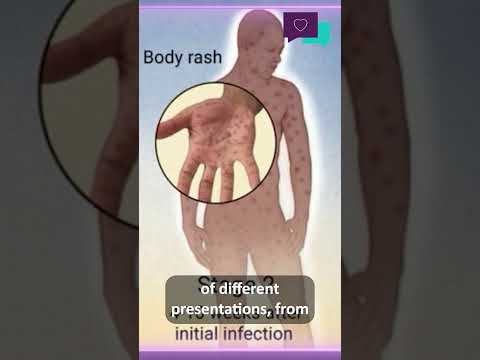
Understanding the signs of syphilis can be a vital step in taking care of your sexual health. One of the most notable symptoms is the rash that can appear on the skin. This rash can vary in appearance, often making it hard to recognize without proper knowledge.
Imagine your skin as a canvas. When something disrupts this canvas—like an infection—it can show distinct signs, much like brush strokes that tell a story. A syphilis rash can emerge at different stages of the infection and may present itself in various forms, such as small red spots or larger lesions. Understanding these signs is crucial for early detection and treatment.
However, it’s essential to approach this topic with care. Syphilis is a serious sexually transmitted infection that requires medical attention. If you notice unusual skin changes or are concerned about exposure, please seek advice from healthcare professionals who specialize in sexually transmitted infections.
Remember, misinformation can lead to harmful assumptions about your health. Always consult reliable sources and engage with experts who can provide tailored guidance based on evidence and research. Your health deserves informed decisions—so stay curious and proactive!
The information provided in this article is intended solely for general informational and educational purposes. It does not constitute medical advice, diagnosis or professional treatment, and should not be considered a substitute for consultation with a qualified doctor or other licensed healthcare professional. Any health-related decisions should be made in consultation with accredited medical professionals.
While efforts have been made to ensure the information is accurate and up to date, no guarantees are given—either express or implied—regarding its accuracy, completeness, currency or suitability. Use of this information is at your own discretion.
It is strongly recommended to consult official sources such as the NHS (National Health Service) or other recognised medical institutions before acting on any information contained on this website or article. Under no circumstances should professional medical advice be ignored or delayed due to content read here.
This content is of a general and informational nature only. It is not intended to replace individualised guidance from a healthcare professional or to establish any doctor-patient relationship. The publication of this information does not imply any professional responsibility, guarantee or obligation on the part of the author or this site.
Understanding the Signs: Is Your Rash a Cause for Concern?
Rashes can be confusing. They can appear for many reasons, and not all rashes are serious. But sometimes, a rash can signal an underlying health issue that needs attention.
One specific type of rash to understand is related to syphilis. Syphilis is a sexually transmitted infection (STI) that can present with distinctive skin changes. If you know what to look for, it’s easier to determine if a rash could be concerning.
A syphilis rash often looks like small spots or patches. It might appear anywhere on the body but is commonly seen on the trunk, arms, or legs. The spots can be red or reddish-brown and may feel flat or slightly raised.
Here are key signs of a syphilis rash:
It’s important to remember that not all rashes mean something serious. Many common conditions cause rashes too, including allergies and infections.
Information from reliable sources suggests checking in with healthcare if you’re unsure about any rash’s cause.
What should you do?
If your rash comes with other unusual symptoms—like fever, body aches, swollen lymph nodes—it’s wise to consult a healthcare provider. They can help determine what’s going on.
Always practice safe habits in sexual health to reduce risks associated with STIs like syphilis. Using protection and getting regular check-ups are essential steps in staying healthy.
In conclusion, while some rashes might just need cream or over-the-counter treatment, others could indicate something more serious like an STI. Trust your instinct; if something seems off, seek advice sooner rather than later. Understanding your body’s signals is key to maintaining good health!
Unraveling the Distinctive Patterns of Syphilis Rash
Understanding the patterns of a syphilis rash can help in early detection and treatment. Syphilis is a sexually transmitted infection caused by the bacterium Treponema pallidum. Each stage of syphilis has its own unique signs.
The rash often appears during the secondary stage. This happens weeks to months after the initial infection. It’s typically characterized by reddish-brown spots on various parts of the body.
Key Features of Syphilis Rash:
One common aspect is that it’s non-itchy. This sets it apart from rashes caused by other skin conditions or infections.
Sometimes, you may notice small sores called mucous membrane lesions. These are often found in the mouth or genital area. They also differ from typical rashes because they involve lesions rather than just discoloration.
Another interesting point is that not everyone with syphilis will develop a rash at all. Some people might have no visible signs during certain phases.
A big myth is that all STIs cause noticeable rashes. In reality, many infections can be asymptomatic or have very mild symptoms.
Getting tested for syphilis if you suspect exposure is important. Early detection helps avoid complications later on.
The Bottom Line: If you notice unusual skin changes along with other symptoms mentioned above, consulting a healthcare provider is key. They’re equipped to offer guidance and tests as needed.
Being informed helps protect not only your health but also that of others around you. Understanding your body and any changes goes a long way in responsible health decision-making!
Unmasking Confusion: Identifying Skin Issues that Mimic Syphilis Symptoms
When it comes to skin issues, confusion can arise. Some conditions might look like the rash associated with syphilis, but they have different causes. It’s essential to understand these differences to avoid unnecessary worry.
Syphilis is a sexually transmitted infection that can cause various symptoms, including a distinctive rash. This rash typically appears as red or brown sores on the body, especially during its secondary stage. However, other skin issues can easily be mistaken for syphilis.
Here are some common skin conditions that might mimic syphilis symptoms:
Recognizing the differences is crucial since treatment varies greatly among these conditions. For example, while a syphilis rash indicates an underlying infection requiring antibiotics, dermatitis might improve with topical creams.
If you ever notice changes in your skin that concern you or cause distress, it’s best to consult a healthcare professional. They have the tools and knowledge needed to make an accurate diagnosis.
The key takeaway here is not jumping to conclusions based solely on appearance. Many skin conditions share similar signs but require different approaches for treatment.
Understanding your body and being aware of how various conditions present themselves is empowering. Stay informed and proactive about your health decisions by seeking guidance when needed!
Understanding syphilis and its manifestations, particularly the rash, is crucial for early diagnosis and treatment. Syphilis is a sexually transmitted infection caused by the bacterium *Treponema pallidum*, and it progresses through stages, each with distinct signs.
In the secondary stage of syphilis, a rash often appears. This rash can be one of the most notable symptoms. It usually presents as reddish-brown spots or patches on the skin, often found on the trunk, arms, or legs. However, it’s important to note that this rash may not itch or cause discomfort.
The appearance of this rash can be misleading. Many people might confuse it with other skin conditions like eczema or psoriasis. This emphasizes the need for awareness and education about syphilis. Recognizing these signs can prompt individuals to seek medical advice sooner rather than later.
Moreover, understanding that syphilis can have serious long-term health consequences if left untreated—including damage to organs—underscores the importance of early detection. Regular health check-ups and open discussions about sexual health are essential in preventing transmission and promoting overall well-being.
Awareness also helps reduce stigma around discussing sexually transmitted infections. Everyone deserves access to information about their health without fear of judgment. In conclusion, knowing how to identify syphilis-related rashes empowers individuals to take charge of their health proactively.