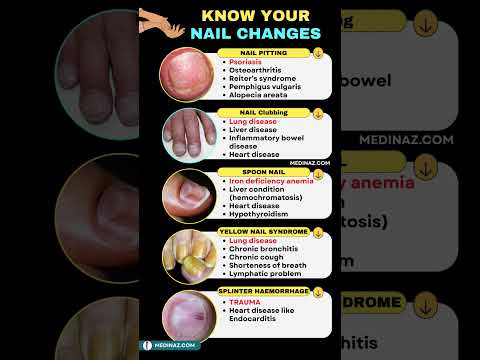
The information provided in this article is intended solely for general informational and educational purposes. It does not constitute medical advice, diagnosis or professional treatment, and should not be considered a substitute for consultation with a qualified doctor or other licensed healthcare professional. Any health-related decisions should be made in consultation with accredited medical professionals.
While efforts have been made to ensure the information is accurate and up to date, no guarantees are given—either express or implied—regarding its accuracy, completeness, currency or suitability. Use of this information is at your own discretion.
It is strongly recommended to consult official sources such as the NHS (National Health Service) or other recognised medical institutions before acting on any information contained on this website or article. Under no circumstances should professional medical advice be ignored or delayed due to content read here.
This content is of a general and informational nature only. It is not intended to replace individualised guidance from a healthcare professional or to establish any doctor-patient relationship. The publication of this information does not imply any professional responsibility, guarantee or obligation on the part of the author or this site.
Have you ever noticed your nails looking a bit unusual, maybe whitish with a dark band at the tip? It’s called Terry’s nails, and believe it or not, it can sometimes indicate underlying health issues. You’re not alone if you’re worried about what that might mean for you.
This article dives into the causes of Terry’s nails and discusses some effective treatments. Understanding this condition is important—not just for aesthetics but for your overall health. Sometimes our bodies give us signals, and our nails are like tiny windows into what’s going on inside.
So whether you’re looking to learn more for yourself or someone you care about, we’ve got the info to help unpack it all. We’ll explore everything from possible causes—like liver disease or diabetes—to practical treatment options.
But remember, this content doesn’t replace medical advice. Making health decisions should always involve consulting with a healthcare professional who knows your unique situation best!
Transform Your Nails with Terry’s Unique Touch
Understanding Terry’s Nails
Terry’s nails are a unique change in the appearance of fingernails or toenails. Imagine looking down at your hands and seeing nails that have a white appearance with a pink band at the tip. That’s what Terry’s nails look like! This condition doesn’t occur for specific reasons, but it is often linked to various health issues.
Causes of Terry’s Nails
There are several conditions that might lead to Terry’s nails. Sometimes, it’s associated with liver disease, especially cirrhosis. Other times, it’s seen in people with kidney problems or diabetes. It can also pop up in those undergoing chemotherapy or suffering from heart issues.
So, you might be wondering why this happens? It’s thought that an underlying issue affects blood flow and nail growth. When these problems arise, they can alter how nails form and appear.
Recognizing the Symptoms
You can usually identify Terry’s nails by their distinct color changes. The white bands can make them look almost translucent. If you notice this change in your own or someone else’s nails, there could be other signs like fatigue or jaundice—those yellowish skin tones signs typically linked to liver problems.
Treatments & Approaches
The key to addressing Terry’s nails lies in dealing with any underlying health conditions. It’s like noticing a lightbulb flickering; instead of replacing just the bulb, checking the electrical system may solve the issue permanently.
Medical professionals may suggest lifestyle changes, managing chronic conditions better, or even medications to treat specific diseases if identified as a cause. For some folks, using gentle moisturizing products on their hands and nails might help improve overall nail health.
A Personal Touch
Caring for your nails goes beyond medical treatment; it involves daily habits too! Maintaining a balanced diet rich in vitamins can support healthy nail growth. Think about foods high in biotin or protein which contribute to strong and healthy fingernails.
When To Seek Help
If you see sudden changes in your nail appearance along with other symptoms like swelling or pain, it’s smart to consult someone knowledgeable for advice and further evaluation—you know? Better safe than sorry!
Misinformation Alert!
It’s essential to separate fact from fiction here. Terry’s Nails aren’t super rare nor are they indicative of some kind of major disaster waiting to happen! They’re just one more sign our bodies use to communicate possible issues that need attention.
Always remember: while it’s good to keep an eye on such changes in the body—especially when they’re unusual—it’s equally important not too panic without factual basis!
A Comprehensive Guide to Understanding Nail Conditions
Understanding Terry’s Nails: Causes and Effective Treatments
Terry’s nails is a condition where the nails appear mostly white with a narrow pink band at the tip. It can seem pretty alarming, but let’s unpack it together.
What Causes Terry’s Nails?
Hey, so the cause of Terry’s nails often relates to underlying health issues. It’s linked to conditions like liver disease, heart disease, or diabetes. Sometimes, aging plays a role too. You know how our bodies change as we get older? Well, our nails do too!
The white color happens because of a lack of blood flow to the nail bed or changes in how blood vessels work. So, if you see these changes on your nails, it’s not just cosmetic; it can hint at health matters that might need attention.
Are There Effective Treatments?
When it comes to treating Terry’s nails, the focus is really on addressing any underlying conditions first. For instance, if it’s caused by liver problems, treating those may improve your nail appearance.
Look, topical treatments and home remedies are out there—like keeping your nails clean and moisturized—but they won’t directly change the appearance of Terry’s nails. Sometimes it helps to pamper yourself with regular manicures or pedicures! Just remember that these don’t fix any root issues.
What Should You Do If You Notice Changes?
- Observe: Keep an eye on your nails for any other strange changes.
- Consult: Talk with a healthcare provider if you’re concerned—they can provide guidance based on your situation.
- Lifestyle Adjustments: Eating well and staying hydrated isn’t just good for overall health—it might also reflect in how your nails look!
Poor Nail Care vs. Health Condition
If you’re thinking about why some folks have great-looking nails while others don’t—it’s often about more than just care routines. Sure, regular nail maintenance matters (think trimming and moisturizing), but if there’s an underlying issue like Terry’s nails going on? That’s different territory entirely.
A Few Myths About Nail Health
- Nail polish is bad: While heavy usage might not be great long-term for everyone, using polish occasionally doesn’t inherently cause problems.
- Nails show all health issues: Not everything shows up in your fingernails! They can change due to many factors including environment or allergies too.
The bottom line here is that while Terry’s nails can be concerning visually and could indicate deeper issues—I get it’s tough seeing changes in something so noticeable—addressing potential underlining health conditions is key rather than just masking symptoms. Take it step by step!
Unraveling the Mystery Behind Nail Changes and Their Hidden Significance
Unraveling the Mystery Behind Nail Changes
Nail changes can be pretty surprising, right? One day you notice that your nails look different, and it leaves you wondering what’s going on. Well, nails often reflect a lot about our health. Sometimes they’re just a sign of something minor, but other times they might signal something more serious.
Understanding Terry’s Nails
One specific type of nail change is known as Terry’s nails. These nails typically appear pale or white with a darker band at the tip. It can look unusual! But here’s the kicker: this isn’t just an aesthetic issue. Terry’s nails might indicate underlying health problems.
What Causes Terry’s Nails?
Terry’s nails can be linked to several conditions, including liver disease, diabetes, and heart issues. Think of it like your body sending out signals when something isn’t quite right. When certain organs struggle to function properly, it can show up in your fingernails.
For example, if someone has liver cirrhosis, which is significant scarring of the liver due to many factors like long-term alcohol use or hepatitis infection, they might notice changes in their nail appearance. It’s all connected!
Are There Other Signs with Terry’s Nails?
Absolutely! Observing only the color change isn’t enough; it’s essential to pay attention to other symptoms too. Fatigue or unusual bruising could accompany nail alterations like these. Keeping an eye on these changes is crucial since they prompt a deeper investigation into overall health.
Treatments for Terry’s Nails
The first step in addressing Terry’s nails isn’t actually about treating the nails themselves but rather understanding the underlying cause. If it’s due to a condition like liver disease or diabetes, then managing that condition becomes priority number one.
Normally doctors may recommend lifestyle changes depending on what’s going on inside your body—like diet adjustments or medication management—to address those root issues before anything else.
What Can You Do?
- Stay observant: If you see any sudden changes in your nails—like color shifts or texture—it might be worth jotting them down.
- Simplify your routine: Sometimes harsh chemicals in nail polish removers can exacerbate nail conditions so consider milder alternatives.
- Speak up: Don’t hesitate to bring up any concerns with a healthcare professional; even seemingly small changes matter!
The Bottom Line
Nail changes are not trivial—they often hold hidden significance regarding our general health. Being aware of how things like Terry’s nails can signal underlining issues means you’re already taking steps towards better knowledge and awareness about your body!
If anything feels off beyond simple aesthetics—or if you’re coupled with other symptoms—it’s crucial to check in with someone who can guide you further without delay!
Understanding Terry’s Nails: Causes and Effective Treatments
Terry’s nails appear as a pale or whitish color, often featuring a characteristic dark band at the tip. This condition isn’t just an aesthetic issue; it can signal underlying health problems. It’s important to understand that nails provide valuable insights into our overall health.
One major cause of Terry’s nails is liver disease. The liver plays a critical role in various bodily functions, including the production of proteins that affect nail health. When the liver is impaired, it can result in alterations to nail appearance.
Another notable cause is diabetes. High blood sugar levels can affect circulation and result in changes in nail characteristics. In some cases, heart failure may also contribute to this phenomenon by causing poor blood flow.
Treatment of Terry’s nails typically revolves around addressing the underlying condition rather than treating the nails themselves. For instance, managing diabetes or improving liver function can lead to improvement over time.
In addition, maintaining good nail hygiene and ensuring adequate nutrition can help support overall nail health. Regular check-ups with healthcare providers are essential for monitoring any related health issues.
If you notice changes in your nails, don’t hesitate to discuss these with your doctor. Early detection of an underlying condition often leads to better outcomes.