The information provided in this article is intended solely for general informational and educational purposes. It does not constitute medical advice, diagnosis or professional treatment, and should not be considered a substitute for consultation with a qualified doctor or other licensed healthcare professional. Any health-related decisions should be made in consultation with accredited medical professionals.
While efforts have been made to ensure the information is accurate and up to date, no guarantees are given—either express or implied—regarding its accuracy, completeness, currency or suitability. Use of this information is at your own discretion.
It is strongly recommended to consult official sources such as the NHS (National Health Service) or other recognised medical institutions before acting on any information contained on this website or article. Under no circumstances should professional medical advice be ignored or delayed due to content read here.
This content is of a general and informational nature only. It is not intended to replace individualised guidance from a healthcare professional or to establish any doctor-patient relationship. The publication of this information does not imply any professional responsibility, guarantee or obligation on the part of the author or this site.
Ever wondered how your body manages to stop bleeding? It’s pretty fascinating, right? One of the key players in this process is something called the activated partial thromboplastin time test, or APTT for short. It’s a blood test that helps doctors understand how well your blood can clot.
Now, you might be asking yourself, “Why should I care about that?” Well, knowing how well your blood clots can be crucial if you’ve had certain medical conditions or are on specific medications. For instance, if you’re taking blood thinners, your doctor might suggest this test to monitor your body’s response.
This article will break down what the APTT test involves and why it matters for your health. We’ll talk about what results mean and when this test might come into play. Remember though; this isn’t a substitute for professional medical advice. It’s always best to consult with a healthcare provider before making any health decisions based solely on information you read.
Your health involves lots of moving parts, and understanding tests like APTT can help you feel more in control. Let’s dive in!
Unlocking the Secrets Behind aPTT Results for Better Understanding
What is aPTT?
The Activated Partial Thromboplastin Time (aPTT) is a blood test. It’s mainly used to assess how well and how quickly your blood clots. You might think about it as a timer that measures the time it takes for your blood to go from liquid to a gel-like state.
Why do we measure aPTT?
Doctors often order this test for various reasons. For instance, if someone has unexplained bleeding or bruising, checking the aPTT can help identify clotting issues. It can also monitor patients on anticoagulant medications like heparin.
Understanding the results
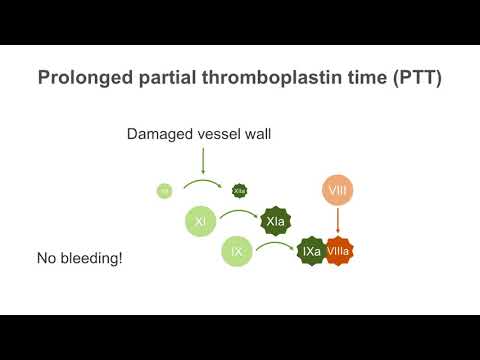
A normal aPTT range is typically between 25-35 seconds, but this can vary depending on the lab and method used. If your result is longer than normal, that could indicate problems with certain proteins in your blood that help with clotting. Think of these proteins as tiny superheroes that prevent excessive bleeding.
Factors influencing aPTT
- Medications: Certain drugs like heparin can extend aPTT.
- Liver function: Your liver produces many clotting factors, so liver disease might affect results.
- Nutritional status: Vitamin K deficiency can also play a role since it’s crucial for making several clotting factors.
- Genetic disorders: Conditions like hemophilia directly impact your ability to form clots.
The testing process
The process itself is quite straightforward. A healthcare professional will take blood from you, usually from an arm vein. This sample is then sent to the lab where technicians analyze it for several factors related to coagulation.
Myths surrounding aPTT
- aPTT equals overall health: Not really. It’s just one part of the puzzle in understanding coagulation.
- If high, there’s always danger: A prolonged time isn’t always alarming; sometimes it indicates monitoring rather than immediate action!
The bottom line
aPTT tests are essential tools in monitoring and diagnosing clotting problems in individuals but understanding what affects the results is important too! If you’re ever uncertain about your test results or their implications, reaching out to someone who understands these things better never hurts!
This knowledge empowers you—being informed means you’re more involved in managing your health journey! Keep curious and don’t hesitate to ask questions!
Unlocking the Secrets Behind Your Lab Results
Understanding the Activated Partial Thromboplastin Time (APTT) Test
The APTT test is a blood test that helps evaluate your body’s ability to form clots. You might be wondering, why is clotting important? Well, think of it this way: when you get a cut, you need your blood to clot so you don’t bleed too much. The APTT test measures how long that process takes.
So how does the APTT work? It uses a sample of your blood and adds certain chemicals. These chemicals activate parts of the blood-clotting process. The lab then measures how many seconds it takes for clots to form. Usually, a normal range falls between 25 to 35 seconds, but this can vary based on the lab and individual health factors.
Why Is It Ordered?
Your healthcare provider might order an APTT test for several reasons. For instance, if you’re on medication like heparin—an anticoagulant—it helps determine if you’re getting the right dose. Alternatively, it could be requested if there are unexplained bleeding or clotting issues in your medical history.
What Can Affect Your Results?
A variety of things can influence your APTT results. Certain medications such as aspirin, or other conditions like liver disease may extend clotting time. Additionally, some inherited disorders can impact how well your blood forms clots as well.
Interpreting The Results
If your APTT result is longer than normal, it doesn’t necessarily mean there’s something wrong with you. It could indicate that further tests are needed to find out what’s happening in your body. This might include investigating potential deficiencies in clotting factors or looking into other medical conditions.
A Quick Note About Clotting Factors
Clotting factors are proteins in your blood that help control bleeding. There are several types; each plays its own role in the clot formation process. If one or more are lacking or dysfunctional—either because they’re not being produced properly or due to disease—it can cause delays in healing during injury.
Your Questions Matter
You might still have questions about why other tests are done alongside the APTT test—like PT (Prothrombin Time) or INR (International Normalized Ratio). Each one provides unique information about different pathways and aspects of coagulation.
If you’re confused about any part of your lab results after getting tested, don’t hesitate to ask questions from healthcare providers! Understanding what those numbers mean is key to managing any health condition effectively.
The bottom line is: trust yourself when reviewing lab results and ensure you’re equipped with all the info you need for discussions about next steps!
Understanding the Essentials of aPTT and PTT Levels for Better Health Insights
Understanding aPTT and PTT Levels for Better Health Insights
Activated Partial Thromboplastin Time (aPTT) is a blood test that measures how long it takes for your blood to clot. You might wonder, why is that important? Well, clotting is a big deal in the body—it helps prevent excessive bleeding when you’re injured.
What’s the Difference Between aPTT and PTT?
Good question! While they are similar, there’s a small difference. The PTT, or Partial Thromboplastin Time, measures the same thing but without activation of certain factors in the blood. So essentially, aPTT gives you more precise info about how well your clotting system works when it’s activated.
Think of it like this: if you’re baking cookies, the PTT tells you how long it takes for the dough to bake just sitting there. But aPTT shows you what happens when you add heat—how those ingredients really come together.
Why Are These Tests Done?
There are several reasons doctors might order these tests. For example:
- If someone has unexplained bleeding or bruising.
- To monitor patients on anticoagulant medications like heparin.
- To assess certain blood disorders.
If you’re taking blood thinners, keeping an eye on those levels can help make sure everything stays balanced. Too much thinning can lead to bleeding issues; too little can lead to clots forming where they shouldn’t!
What Do the Results Mean?
aPTT results are usually measured in seconds. A normal range varies but often falls between 25 and 35 seconds. If your results are longer than normal, it may indicate something’s going on with your clotting factors.
- Possible causes of prolonged levels include liver disease or certain inherited conditions.
- A shorter time may suggest an increased risk of clotting disorders like deep vein thrombosis (DVT).
The thing is, these tests are just one part of the puzzle—so don’t jump to conclusions without discussing them with healthcare professionals first!
The Bottom Line
Understanding your aPTT and PTT levels can provide insight into your health—but it’s just part of the bigger picture. Your health is influenced by many factors including diet, genetics, and lifestyle choices.
If you have concerns about these tests or what they mean for you specifically talk to someone who can help interpret them correctly!
.
Understanding the Activated Partial Thromboplastin Time (APTT) Test
The Activated Partial Thromboplastin Time (APTT) test is a key diagnostic tool in assessing blood coagulation. Basically, it measures how long it takes for your blood to clot. This is important because proper clotting is essential for stopping bleeding when you get hurt.
You might wonder how this test works. Well, a sample of your blood is taken and mixed with specific chemicals. These chemicals activate the clotting factors in your blood. The time it takes for a clot to form is then measured in seconds. A longer time can indicate issues like hemophilia or the effects of certain medications, such as heparin.
Sometimes people confuse APTT with similar tests like PT (Prothrombin Time). While both assess clotting, they evaluate different pathways of the coagulation process. Think of it like testing two different soccer strategies; both want to score but take different routes to do so.
In clinical practice, understanding APTT can help guide treatment decisions. For instance, if someone is undergoing surgery or has a bleeding disorder, knowing their APTT can inform necessary precautions or interventions.
This test isn’t without its nuances though. Factors such as certain medications and even sample handling can affect results. It’s crucial for healthcare professionals to interpret APTT results alongside other clinical information and tests.
Ultimately, understanding the APTT test provides insights into our body’s intricate balancing act of bleeding and clotting—a vital aspect of maintaining health.