The information provided in this article is intended solely for general informational and educational purposes. It does not constitute medical advice, diagnosis or professional treatment, and should not be considered a substitute for consultation with a qualified doctor or other licensed healthcare professional. Any health-related decisions should be made in consultation with accredited medical professionals.
While efforts have been made to ensure the information is accurate and up to date, no guarantees are given—either express or implied—regarding its accuracy, completeness, currency or suitability. Use of this information is at your own discretion.
It is strongly recommended to consult official sources such as the NHS (National Health Service) or other recognised medical institutions before acting on any information contained on this website or article. Under no circumstances should professional medical advice be ignored or delayed due to content read here.
This content is of a general and informational nature only. It is not intended to replace individualised guidance from a healthcare professional or to establish any doctor-patient relationship. The publication of this information does not imply any professional responsibility, guarantee or obligation on the part of the author or this site.
Have you ever felt the soothing warmth of a hot pack and thought, “This feels good”? You’re not alone! Many people use heat to ease their aches, but there’s more to it than just comfort.
Hot packs are often used in physical therapy and have some surprising benefits. They can help improve blood flow, relax tight muscles, and reduce pain. It’s like giving your body a gentle hug that encourages healing.
This article dives into how hot packs work and why they matter for recovery. We’ll discuss the science behind them in simple terms, making it easy to understand why they’re often recommended by physical therapists.
If you’ve been dealing with pain or stiffness, knowing about hot packs might give you some helpful ideas for relief. However—just a heads up—this content doesn’t replace professional medical advice. It’s crucial to consult with a healthcare professional before making any decisions about your health.
Let’s unravel the benefits together so you can feel empowered on your healing journey.
Harnessing the Power of Heat for Effective Recovery and Relief
Harnessing the Power of Heat for Effective Recovery
Using heat in physical therapy, like hot packs, can be beneficial for many people. It’s a simple concept: applying warmth to an area of the body can help ease pain, improve circulation, and relax muscles. Let’s break down how this works.
How Does Heat Work?
When you apply heat to your skin, it causes blood vessels to expand. Think about a garden hose; when you warm it up, the water flows more easily. The same principle applies to your blood flow. Increased circulation brings more nutrients and oxygen to the affected area which aids in recovery.
Relieving Muscle Tension
Have you ever felt tightness in your muscles after exercise? It often happens when muscles are overworked or stressed. Heat can help relax those tight muscles. Imagine putting on a warm blanket on a chilly night—it feels good, right? That comfort can translate into muscle relief as well.
Pain Management
People often use hot packs for various types of pain—like backaches or arthritis discomfort. The warmth from hot packs can dull pain sensations by affecting nerve endings in the skin. It’s similar to putting ice cream on a sore spot; that cooling sensation provides a distraction from pain.
When Are Hot Packs Used?
- No swelling: Heat is usually applied only after an injury has settled down and there’s no swelling present.
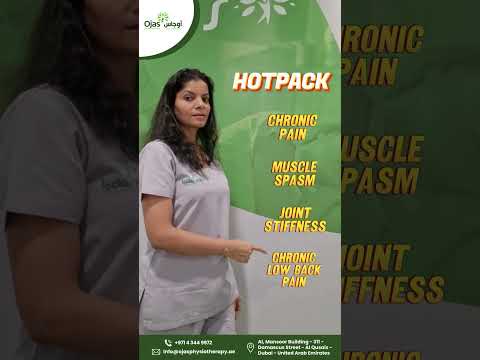
- Aches & pains: Chronic conditions like arthritis can benefit from regular heat applications.
- Mild injuries: After acute injuries have healed somewhat, heat may help with recovery.
Different Types of Heat Therapy
You’ve got options when it comes to applying heat! Here are a few common methods:
- Hot Packs: These are moist or dry pads that retain heat well and are easy to use.
- Heating Pads: Electric versions can be adjusted for warmth and kept stationary during use.
- Baths: Immersing yourself in warm water provides overall body warmth and relaxation.
Cautions and Considerations
The thing is, while heat therapy is helpful for many people, it’s not suitable for everyone or every situation. If you have certain conditions like diabetes or circulatory issues, you should talk with someone knowledgeable before using heat therapy extensively. Always check your skin too; prolonged exposure might lead to burns if you’re not careful!
The Bottom Line
Heat therapy through hot packs offers a way to support recovery in physical therapy by promoting blood flow and easing tension in muscles. While it’s not a one-stop solution for all ailments, understanding its benefits can enhance your approach to managing discomfort.
If you’re thinking about using them regularly or have specific conditions, consider discussing it with someone who understands these therapies better!
Finding the Right Temperature for Fast Relief
Understanding Heat Therapy
Heat therapy is a common practice in physical therapy. It involves applying heat to the body to relieve pain and relax muscles. But you might wonder, what’s the right temperature for effective relief? Let’s break it down.
Why Use Heat?
Heat can improve blood flow, which helps with healing. Imagine your blood vessels like tiny highways bringing nutrients and oxygen where they’re needed. When you apply heat, these highways widen, letting more traffic through.
The Right Temperature
The ideal temperature for hot packs generally ranges between 104°F to 113°F (40°C to 45°C). At this temperature, you’ll feel warmth without burning your skin. It’s warm enough to promote circulation but not so hot that it causes discomfort.
How Long Should You Apply Heat?
Typically, heat should be applied for about 15 to 20 minutes at a time. This duration allows enough time for muscle relaxation without overdoing it. If you start feeling too hot or uncomfortable, it’s wise to remove the pack.
Types of Heat Sources
- Hot packs: These are filled with materials that retain heat well.
- Heating pads: Often electric, they allow you to control the temperature easily.
- Sous vide bags: These are sealed bags heated in water; they’re great for targeting specific areas.
Cautions When Using Heat
If you’ve got swelling or inflammation, heat may not be ideal. In those cases, cold therapy is often recommended instead. For example, think about how ice can numb pain right after an injury—but later on, applying heat can help recovery.
Your Comfort Matters
The key point here is comfort. If something feels too hot or causes pain—remove it! Everyone’s sensitivity varies and what feels good for one person might not work for another.
A Balanced Approach
You don’t need to rely solely on heat packs; combining them with stretches or gentle exercises often enhances the benefits even further! Listen to your body; adjust as necessary based on how you’re feeling.
Final Thoughts on Using Hot Packs
The right temperature and technique can make a difference when using hot packs in physical therapy. Remember: what works best will vary from person to person—don’t hesitate to ask questions if something doesn’t feel right!
Exploring the Warmth That Heals: Discover Various Ways to Soothe Your Body
Understanding Hot Packs in Physical Therapy
Hey, let’s talk about hot packs. They’re those warm, cozy things you sometimes see in physical therapy or even at home. But what do they really do? Let’s break it down.
What Are Hot Packs?
Hot packs are basically bags filled with substances that can retain heat, like gel or grains. You heat them up and use them on sore muscles or joints. It kind of like a warm hug for your body.
The Science Behind Heat Therapy
Heat can improve blood flow to an area. Think of it as inviting more delivery trucks to a neighborhood; more trucks mean more supplies getting delivered! More blood flow means more nutrients and oxygen reaches your muscles, helping them heal.
When to Use Hot Packs
So when should you think about using hot packs? They’re often great for chronic pain or stiffness, like arthritis or that nagging back pain from sitting too long. However, they aren’t typically recommended right after an injury—like a sprain—because that’s when ice is usually the go-to.
How to Use Them Safely
You want to be careful with how you use hot packs. Always wrap them in a towel before placing on your skin; this prevents burns. Also, only keep them on for about 15-20 minutes at a time. It’s kind of like making popcorn—you don’t want it too hot and you need just the right timing!
The Psychological Benefits
The warmth from hot packs isn’t just physical; it can also feel comforting mentally. Sometimes just taking those few moments to relax with some heat can help relieve stress—almost like a mini spa day at home.
Cautions and Considerations
If you have conditions like diabetes or issues with sensation in your skin, it’s wise to be extra cautious with heat therapy. Since these conditions can affect how you feel heat or cold, always check in with someone who knows about these matters if you’re unsure.
A Word About Everyone’s Experience
Every person is different! What feels good for one might not work for another; our bodies respond uniquely to treatments. Sometimes people find relief from using heat while others might prefer cold treatments instead.
Wrapping It Up
If you’re curious about trying hot packs as part of your self-care routine, there are ways to explore this safely and effectively—but listen to your body! So whether it’s curling up on the sofa with a hot pack after a long day or using one during physical therapy sessions, there are many pathways towards comfort and healing.
Understanding the Benefits of Hot Packs in Physical Therapy
Using hot packs in physical therapy can be really beneficial for patients. The warmth from the packs helps to increase blood flow to specific areas, which is crucial for healing.
When you apply heat, it relaxes muscles and eases stiffness. Think of heat like a warm hug for sore muscles—it just feels good! This relaxation can lead to reduced pain, making it easier for patients to engage in exercises or stretches.
Hot packs are especially helpful before workouts or therapy sessions. They act like a warm-up, preparing muscles for activity. It’s similar to how athletes stretch their bodies before a game—starting off with heat can prevent injuries.
However, it’s important to use hot packs correctly. They should never be too hot to avoid burns, and they’re not suitable for everyone. Conditions like inflammation or recent injuries might require cold therapy instead.
So, always consult with a healthcare professional before starting treatments. Understanding when and how to use hot packs can make all the difference in recovery and overall well-being.
The key is balance; combining heat with other therapies often brings the best results. Keep in mind that every patient’s needs are unique, so advice from professionals is vital!