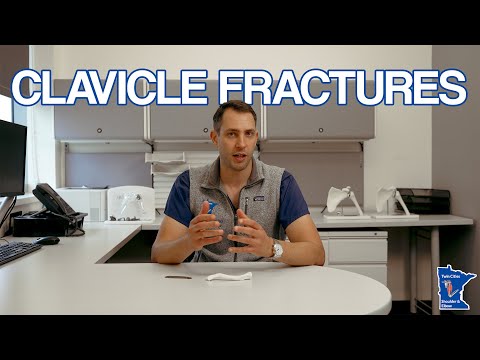
The clavicle, also known as the collarbone, is a fascinating bone that serves as a bridge between the chest and arm. Shaped like an “S,” it plays a crucial role in supporting your shoulders and helping you move your arms freely. Imagine holding up your arms to wave hello – it’s the clavicle that helps keep everything in place!
Understanding its anatomy can be enlightening. The clavicle connects to two important areas: the sternum at one end and the shoulder blade at the other. This unique connection allows for a wide range of motion while providing stability to the upper body.
When injury occurs, such as a fracture from a fall or sports accident, understanding how this bone heals can empower you on your recovery journey. Knowing what to expect can make a significant difference in how you approach healing.
However, it’s essential to remember that information on health topics should come from various reputable sources and specialists. Relying solely on one perspective can lead to misunderstandings or missteps in treatment. Always consult with healthcare professionals and seek out diverse media to ensure you have a well-rounded view of any health issue, including those related to your clavicle. Your health is paramount – stay informed!
The information provided in this article is intended solely for general informational and educational purposes. It does not constitute medical advice, diagnosis or professional treatment, and should not be considered a substitute for consultation with a qualified doctor or other licensed healthcare professional. Any health-related decisions should be made in consultation with accredited medical professionals.
While efforts have been made to ensure the information is accurate and up to date, no guarantees are given—either express or implied—regarding its accuracy, completeness, currency or suitability. Use of this information is at your own discretion.
It is strongly recommended to consult official sources such as the NHS (National Health Service) or other recognised medical institutions before acting on any information contained on this website or article. Under no circumstances should professional medical advice be ignored or delayed due to content read here.
This content is of a general and informational nature only. It is not intended to replace individualised guidance from a healthcare professional or to establish any doctor-patient relationship. The publication of this information does not imply any professional responsibility, guarantee or obligation on the part of the author or this site.
Uncover the Secrets of Your Collarbone and Its Role in Your Body’s Movement
The collarbone, also known as the clavicle, is a small yet significant bone in your body. It connects the arm to the body and serves as a bridge between the sternum (breastbone) and the shoulder blade. This positioning is crucial for many of our daily movements.
Your collarbone plays a vital role in shoulder mobility. Think of it as a key component that allows your arms to move freely in various directions. When you lift your arm to wave or reach for something, your collarbone helps stabilize that motion.
One unique feature of the clavicle is its shape—it’s S-shaped. This design helps absorb shocks from impacts or falls, making it less likely to break than other bones under stress.
When injuries occur, such as fractures from falls or accidents, healing can take time. Your body needs rest so that new bone can form properly. Many clavicle fractures heal without surgery unless they are severely displaced.
Movement after an injury is essential but should be gentle at first. Physical therapy often plays a key role in safely rebuilding strength around the area over time.
Understanding how your collarbone works can empower you to take better care of your overall shoulder health. Remember: if you’re experiencing persistent pain or issues around this area, seeking personalized advice from a healthcare provider is important.
By taking steps to protect and strengthen your collarbone through proper posture and exercise, you’ll promote better movement and reduce injury risk throughout life.
In summary, your collarbone might seem small but carries significant duties for mobility and protection in your upper body!
Exploring the Clavicle’s Role in Health and Injury Recovery
The clavicle, or collarbone, is often overlooked. Yet, it plays a vital role in our health and movement. It connects the arm to the body, acting as a strut between the sternum and shoulder blade.
Understanding its anatomy helps us appreciate its function. The clavicle has two ends: one connects to the breastbone (sternum) and the other to the shoulder blade (scapula). This positioning allows for a wide range of arm movement.
Injuries to the clavicle are common. They can occur from falls, sports accidents, or even simple bumps. A fractured clavicle can be painful and limit mobility significantly. It’s like having a hinge that won’t open properly.
Recovery is essential after a clavicle injury. Resting the affected area allows bones to heal. Ice can help reduce swelling, while gentle movements may improve flexibility. Think of it like tending to a plant; too much disturbance can hinder growth.
Physical therapy often plays an important role in recovery. A trained therapist guides patients through exercises that strengthen muscles around the clavicle. This support helps restore function and prevent future injuries.
It’s also crucial to maintain proper nutrition during recovery. Foods rich in calcium and vitamin D support bone healing just like fuel nourishes an engine.
Additionally, be wary of myths surrounding clavicle injuries. Some believe that surgery is always necessary for fractures, but this isn’t true for every case. Many fractures heal well with non-surgical methods.
It’s essential to listen to your body during recovery and consult with healthcare providers if pain persists or worsens. Understanding your injury empowers you in healing.
In summary, the clavicle is more than just a bone; it’s central to upper body movement and health recovery after injury. Knowledge about its role encourages informed decisions about care and rehabilitation practices after such incidents.
Unveiling the Surprising Secrets of Your Collarbone
The collarbone, or clavicle, is often overlooked. Yet, it plays a crucial role in our anatomy. It connects the arm to the body, acting as a crossbar between the breastbone and shoulder blade.
Did you know? The clavicle is one of the first bones to develop in humans. This means it begins forming even before birth!
Its shape is unique—slightly curved and S-shaped. This design helps absorb impacts during activities such as sports or falls.
Injuries to the collarbone are common, especially in young children and athletes. A fall or direct hit can lead to fractures.
Healing from a collarbone injury often involves rest and immobilization. In many cases, surgery isn’t needed. Instead, most fractures heal on their own with time.
During recovery, it’s important to follow guidelines for activity levels. Gradually returning to physical activities can help prevent further injury.
Some myths about the collarbone exist. For example, many believe that if healed properly, a broken clavicle will be stronger than before. While it may heal well, this isn’t always true for everyone.
Maintaining overall shoulder health is vital too! Strengthening exercises can keep the muscles around your collarbone strong, reducing injury risk.
Remember: if you suspect an injury or have questions about your collabone health, talk to someone who can provide personalized insights based on their expertise. Understanding your body is key for making informed decisions about your Health!
The clavicle, or collarbone, plays a vital role in shoulder function and upper body movement. It acts as a strut between the sternum and the scapula, providing stability while allowing a good range of motion in the arm. Understanding its anatomy helps us appreciate how this small bone supports significant tasks like lifting and reaching.
When it comes to injuries, fractures are common due to falls or direct impacts. Healing can vary; some fractures may require surgical intervention, while others can mend with conservative treatment like rest and physical therapy. The clavicle has a remarkable ability to heal itself, thanks to its blood supply.
However, understanding the healing process is crucial. Patients often underestimate recovery time. While bones typically heal within six to eight weeks, functional recovery may take longer. Engaging in safe rehabilitation exercises is important for regaining full strength and mobility.
By recognizing the intricacies of clavicular anatomy and its healing capabilities, individuals can make informed decisions about their health following an injury. Awareness fosters responsible recovery practices and encourages proactive engagement in one’s own healing journey.