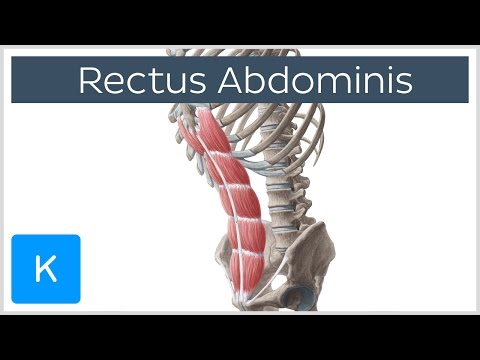
The rectus abdominis is a fascinating muscle that plays a crucial role in our bodies. Often referred to simply as the “abs,” this long, flat muscle runs vertically along the front of your abdomen. It’s the structure responsible for that sought-after six-pack appearance, but its functions go far beyond aesthetics.
This muscle helps stabilize our core, supporting vital movements like bending, twisting, and lifting. Think of it as a natural corset that keeps everything in place while allowing for flexibility and strength. Understanding how it works can improve not just fitness but overall health.
However, it’s important to approach this topic with care. While there is a wealth of information available about anatomy and function, not all sources are reliable. Misunderstandings can lead to poor exercise practices or unrealistic expectations about body image.
Always consult multiple specialists and reputable sources when seeking advice on health topics. The human body is complex, and getting accurate information ensures you make informed choices for your wellness journey. Stay curious and keep learning!
The information provided in this article is intended solely for general informational and educational purposes. It does not constitute medical advice, diagnosis or professional treatment, and should not be considered a substitute for consultation with a qualified doctor or other licensed healthcare professional. Any health-related decisions should be made in consultation with accredited medical professionals.
While efforts have been made to ensure the information is accurate and up to date, no guarantees are given—either express or implied—regarding its accuracy, completeness, currency or suitability. Use of this information is at your own discretion.
It is strongly recommended to consult official sources such as the NHS (National Health Service) or other recognised medical institutions before acting on any information contained on this website or article. Under no circumstances should professional medical advice be ignored or delayed due to content read here.
This content is of a general and informational nature only. It is not intended to replace individualised guidance from a healthcare professional or to establish any doctor-patient relationship. The publication of this information does not imply any professional responsibility, guarantee or obligation on the part of the author or this site.
Unraveling the Core: Discover the Structure and Role of Your Body’s Key Muscle
When we think of core muscles, the rectus abdominis often comes to mind. This muscle is located on the front of your abdomen. It’s commonly known as the “six-pack” because of its segmented appearance in well-defined individuals.
The rectus abdominis has an important role. It helps with flexion of the spine, which means it allows you to bend forward. Think about how you curl your body when sitting up from lying down—that’s your rectus abdominis at work.
This muscle also plays a part in posture. A strong rectus abdominis helps support your spine and maintain proper alignment while standing or sitting. Good posture can prevent back pain and other issues over time.
You might be curious about how this muscle works during different activities. For example, when you’re doing exercises like crunches or sit-ups, you’re actively engaging your rectus abdominis. This engagement strengthens it over time, much like lifting weights builds other muscles.
However, it’s important to remember that having a strong rectus abdominis doesn’t mean you’ll automatically have visible abs. Factors like body fat percentage and genetics also play significant roles in how defined these muscles appear.
In addition to strength, flexibility matters too. If this muscle is too tight, it can limit movement and lead to discomfort. Stretching can help keep it flexible—think of it as maintaining a rubber band’s elasticity for better function.
Key points about the rectus abdominis:
Overall, understanding the anatomy and function of the rectus abdominis adds insight into our body’s mechanics. It reminds us that all parts of our core work together for stability and movement. So keep moving mindfully!
Discover the Hidden Depths of Your Body’s Core
The core of your body is more than just a six-pack. One important muscle in this area is the rectus abdominis. Understanding this muscle helps you appreciate its role in your overall health.
The rectus abdominis runs vertically along the front of your abdomen. It’s commonly known as the “abs.” This long, flat muscle helps keep your posture upright and stabilizes your pelvis.
When you think of the abs, you might picture athletes or fitness models. However, everyone has a rectus abdominis, and it serves essential functions regardless of appearance.
Functionally, this muscle plays a key role in movements like bending forward or getting up from a lying position. It also helps protect internal organs and supports spine stability.
In daily life, every time you sit up or twist your body, you engage this muscle. Without a strong rectus abdominis, these activities can be challenging and may lead to strain or injury.
Some people believe that doing countless crunches is the way to strengthen their abs. While crunches help, they don’t target everything related to core strength. A well-rounded approach is best.
To truly strengthen your core, consider including different exercises like planks and leg raises. These movements engage not just the abs but also other muscles in the core region.
Core strength isn’t just about aesthetics; it’s crucial for overall health. A strong core supports better balance and stability as we age.
It’s important to remember that overdoing any exercise can lead to injury. Listen to your body and take breaks when needed.
Lastly, maintaining a healthy lifestyle with good nutrition also impacts how visible your abs are. Healthy eating habits support muscle health while reducing excess body fat.
In conclusion, understanding the rectus abdominis deepens our appreciation for our body’s capabilities. By strengthening this area responsibly, we enhance not only our physical appearance but also our functional ability in everyday life.
Uncovering the Hidden Flaws in Your Core Strength
The core is often thought of as just the abs, but it’s so much more than that. When we talk about core strength, we usually mean the muscles that stabilize your spine and pelvis. A key player in this group is the rectus abdominis.
The rectus abdominis is the muscle you see when you think of “abs.” It’s a long, flat muscle that runs vertically along the front of your abdomen. Its main job is to flex your spine, which happens when you bend forward.
However, many people make mistakes in how they strengthen this muscle. They may focus only on crunches or sit-ups, thinking these will give them a six-pack. But that’s a limited approach.
Relying solely on repetitive movements can lead to hidden flaws in your core strength. Over time, it could cause imbalances or even strain other muscles and joints. This is why variety in exercises is important.
For example,
,
, and
can help strengthen your entire core by working different muscles. This variety helps improve stability and prevents injury.
Another common issue is poor posture during workouts. If you’re not engaging your core correctly while exercising, you might not be getting the full benefit of those moves. Think about keeping a neutral spine—this means avoiding overarching or rounding your back during exercises.
Also, breathing plays an important role. Many people hold their breath while working out without realizing it. Proper breathing techniques can enhance core activation and support better form during workouts.
Pay attention to how you’re feeling during these exercises too. If something doesn’t feel right—like pain—it might be a sign that your technique needs adjustment or that certain muscles are overcompensating for weaknesses elsewhere.
Finally, don’t overlook other elements like nutrition and rest; they’re crucial for recovery and overall strength development too! A well-rounded approach assists in building true core strength rather than just focusing on appearance alone.
In conclusion, understanding the anatomy and function of the rectus abdominis will guide you towards a better workout routine. Keep exploring different methods to engage all facets of your core for optimal health!
Understanding the rectus abdominis is crucial for grasping core stability and overall body mechanics. This muscle, often referred to as the “six-pack,” plays a vital role in our daily movements and physical health.
Anatomically, the rectus abdominis runs vertically along the front of the abdomen. It connects the rib cage to the pelvis, functioning like a sturdy support beam. This placement allows it to assist with various movements, including bending forward and stabilizing our posture.
The primary function of this muscle is to flex the spine, which occurs when we lean forward or do a sit-up. Think of it as a cable that helps pull your torso down toward your legs. Additionally, it plays a role in maintaining intrabdominal pressure during heavy lifting or even simple tasks like coughing and sneezing.
Strengthening the rectus abdominis is beneficial not only for athletic performance but also for everyday tasks. A strong core helps prevent injuries and enhances overall posture.
However, many people fall into the trap of believing that visible abdominal muscles equate to fitness. In reality, achieving health goes beyond aesthetics; it involves functional strength and balance within all muscle groups.
Moreover, it’s essential to remember that spot reduction—losing fat from a specific area by exercising that area—is largely a myth. A balanced diet combined with overall body conditioning is key for achieving an ideal level of fitness.
In summary, understanding the anatomy and function of the rectus abdominis empowers us to appreciate its importance in supporting both our physical activities and general well-being. Prioritizing core strength holistically can lead us toward more informed health choices while debunking common misconceptions about fitness.