The information provided in this article is intended solely for general informational and educational purposes. It does not constitute medical advice, diagnosis or professional treatment, and should not be considered a substitute for consultation with a qualified doctor or other licensed healthcare professional. Any health-related decisions should be made in consultation with accredited medical professionals.
While efforts have been made to ensure the information is accurate and up to date, no guarantees are given—either express or implied—regarding its accuracy, completeness, currency or suitability. Use of this information is at your own discretion.
It is strongly recommended to consult official sources such as the NHS (National Health Service) or other recognised medical institutions before acting on any information contained on this website or article. Under no circumstances should professional medical advice be ignored or delayed due to content read here.
This content is of a general and informational nature only. It is not intended to replace individualised guidance from a healthcare professional or to establish any doctor-patient relationship. The publication of this information does not imply any professional responsibility, guarantee or obligation on the part of the author or this site.
Ever wondered how something so often overlooked plays such a crucial role in our lives? The vagina is more than just an anatomical part. It’s central to sex, intimacy, and reproductive health. Yet, many people don’t fully understand its functions or importance.
Here’s a surprising fact: the vagina has its own unique ecosystem that helps keep it healthy. It’s filled with good bacteria that prevent infections. This balance is vital for comfort and overall health. You know, it’s like a delicate balancing act.
This article dives into the vagina’s role in sexual pleasure and reproduction—exploring anatomy, menstrual health, and even common misconceptions. By understanding more about this often-taboo topic, folks can appreciate their bodies better and make informed choices.
Please remember, though, that while we aim to share valuable information here, this content doesn’t replace medical advice. Always consult a healthcare professional when you have specific health concerns or questions.
So let’s unravel the mysteries of the vagina together—it’s about time we talked openly about it!
Exploring the Depths of Identity and Desire
Understanding the Vagina’s Role in Sex and Reproductive Health
The vagina is an important part of female anatomy, serving multiple roles in both sexual health and reproduction. It’s like a versatile tunnel that connects external genitalia to internal reproductive structures. So, what’s going on inside this remarkable organ?
Structure and Function
The vagina is a muscular tube that stretches during intercourse and childbirth. Its walls are elastic, which means they can expand and then return to their original shape. This elasticity helps during sex, allowing for comfort and pleasurable experiences.
Think of it like a balloon: when you blow air into it, it stretches but goes back to its form once you’re done. The vaginal walls are also lined with mucous membranes that keep everything lubricated—essential for comfortable sexual activity.
Role in Sexual Pleasure
Many people associate the vagina with pleasure during sex. While the vagina itself has fewer nerve endings than other parts like the clitoris, it does play a role in overall sensation. The surrounding area can be quite sensitive! For many women, stimulation of the clitoris—which is located just above the vaginal opening—enhances pleasure significantly.
This idea emphasizes how interconnected female anatomy is; it’s not just about one part but rather how everything works together to create pleasurable experiences.
Reproductive Health
The vagina also serves as a vital channel through which menstrual fluid exits and where sperm enters during conception. It’s essential for understanding fertility too. During ovulation, cervical mucus from the cervix (located at the top of the vagina) becomes slippery, making it easier for sperm to swim up toward an egg.
It’s fascinating how nature equips our bodies with these changes! Menstrual cycles aren’t just about periods; they’re complex hormonal dances that affect mood and bodily functions.
Common Health Concerns
Lets touch briefly on health concerns related to the vagina. Issues like yeast infections or bacterial vaginosis can arise due to imbalances in vaginal flora—similar to how your garden needs balance between different plants to thrive.
If someone experiences unusual symptoms like itching or strong odors, it’s often best to consult a healthcare provider they’re no substitute for starting conversations about body health!
Conclusion
The vagina plays a multifaceted role in both sexual pleasure and reproductive health; understanding this complexity can empower individuals when it comes to their bodies. By promoting open conversations about these topics we break down stigma surrounding female sexuality—creating more informed communities armed with knowledge about their own anatomy!
Unlocking the Secrets of Female Anatomy and Wellness
Understanding Female Anatomy and Its Significance
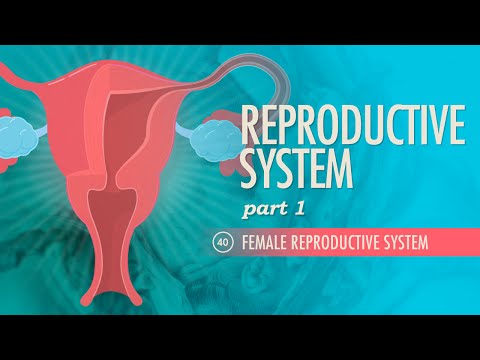
The female reproductive system is fascinating, complicated, and vital for both sexual health and reproduction. At the heart of it all is the vagina—a muscular tube that connects the external genitals to the uterus. You might think of it as a passageway used for several purposes, not just sexual intercourse.
The Structure of the Vagina
The vagina is elastic, meaning it can stretch and accommodate different activities, like sex or childbirth. Its lining produces moisture to keep things comfortable and healthy. It also has a natural balance of bacteria that helps prevent infections. This environment is actually quite sensitive to changes like menstruation or hormonal shifts.
Vagina’s Role in Sexual Health
During sexual arousal, blood flow increases to the vaginal area, which leads to lubrication—this makes things more pleasurable for both partners. Think about it like a sponge soaking up water; the vagina expands and becomes moister in response to excitement.
But it’s not just about pleasure; it’s also important for intimacy and communication in relationships. Many people find that understanding their anatomy can enhance their sexual experiences. Knowledge can lead to more satisfying encounters.
The Vagina During Menstruation
Once a month, many women experience menstruation. This involves shedding the uterine lining through the vagina. So you see, this part of anatomy plays multiple roles—it helps in reproduction and also lets us know when something might be off with our health.
Health Considerations
Maintaining vaginal health is crucial for overall wellness. Regular gynecological check-ups can help catch issues early—like infections or other changes—before they become serious problems.
Certain behaviors can impact vaginal health too; practices such as using scented soaps or douching may disrupt that delicate balance we talked about earlier. Keeping things simple with mild soap usually does wonders!
Cultural Perspectives
Culturally speaking, discussions around female anatomy are often taboo but opening up those conversations can lead to healthier attitudes toward women’s bodies. Feeling empowered about your body starts by understanding how it works—and knowing there are no dumb questions!
A Final Word on Exploration
You might wonder how best to explore your own body—self-exploration isn’t just healthy; it’s freeing! Learning what feels good will enhance not just your sexual experience but also your emotional well-being.
Remember: each person’s experience with their anatomy varies greatly from another’s! Listening to your body is key—you know yourself better than anyone else!
Understanding the Causes and Solutions for Discomfort During Intimacy
Hey, let’s talk about something that can be a bit awkward but is really important: discomfort during intimacy. You might wonder, why does this happen? Well, there are several reasons, and understanding them can help create a more enjoyable experience.
The Role of the Vagina
The vagina plays a key role in intimacy. It’s designed to stretch and accommodate different situations, but it can also be sensitive. Discomfort typically arises from factors like dryness or tension. Think of it like a flower; if it doesn’t get enough water, it’s not going to open up fully.
Common Causes of Discomfort
- Lack of Arousal: Sometimes, emotional factors or stress get in the way. If you’re not feeling relaxed or excited, your body might not respond the way you want.
- Insufficient Lubrication: This is a real thing! Natural lubrication may not always be enough. Many people find using a water-based lubricant helpful.
- Medical Conditions: Certain health issues like infections or hormonal changes can lead to discomfort too. If you’re uncertain, talking to someone familiar could really help.
- Anxiety: The mind is powerful! Sometimes anxiety about performance or intimacy itself can cause physical discomfort.
Straightforward Solutions
The first step to tackling these problems is communication. Openly discussing feelings with your partner helps create trust and understanding. Then consider experimenting together with different forms of foreplay; this prepares both body and mind for intimacy.
If dryness is an issue, try integrating lubricants into your routine—they’re widely available and can make a noticeable difference. And remember: there’s nothing wrong with taking your time!
Mental health matters too; practices like mindfulness or relaxation techniques can significantly ease anxiety and enhance the experience overall.
A Word on Medical Advice
If discomfort persists despite trying these solutions, seeking out professional advice may be warranted. A healthcare provider can offer insights into any underlying issues without judgment.
Your Body Knows Best
The bottom line is this: every person’s body reacts differently during intimacy—and that’s totally okay! Listening to yourself and being patient with the process goes a long way toward enhancing comfort and pleasure in intimate moments.
Understanding The Vagina’s Role in Sex and Reproductive Health
The vagina often doesn’t get the attention it deserves when we discuss sexual and reproductive health. You know, it’s an essential part of the female anatomy that plays several crucial roles. It’s more than just a passageway; it’s involved in sexual pleasure, childbirth, and menstruation.
First off, the vagina is highly sensitive. It contains numerous nerve endings, which can lead to pleasure during sexual activity. This sensitivity is key to the body’s natural response to intimacy. Blood flow increases during arousal, which can enhance sensations and contribute to overall sexual satisfaction.
During childbirth, the vagina undergoes significant changes. It stretches and accommodates a baby during delivery. This is amazing when you think about it! The body has evolved over time for this purpose. After birth, the vagina heals but retains its stretchy qualities for future pregnancies.
On a different note, the vagina also plays a fundamental role in menstrual health. Every month, it serves as a pathway for menstrual fluid to exit the body. Additionally, it helps maintain a balanced environment through natural bacteria that protect against infections.
Furthermore, understanding vaginal health—like recognizing signs of infection or imbalance—is critical for overall wellbeing. Common issues such as yeast infections or bacterial vaginosis can affect many women at some point in their lives.
The takeaway? Awareness of vaginal health contributes significantly to women’s reproductive well-being and quality of life overall. So let’s keep the conversation going! It’s vital for everyone—regardless of gender—to be educated about these aspects.