
The information provided in this article is intended solely for general informational and educational purposes. It does not constitute medical advice, diagnosis or professional treatment, and should not be considered a substitute for consultation with a qualified doctor or other licensed healthcare professional. Any health-related decisions should be made in consultation with accredited medical professionals.
While efforts have been made to ensure the information is accurate and up to date, no guarantees are given—either express or implied—regarding its accuracy, completeness, currency or suitability. Use of this information is at your own discretion.
It is strongly recommended to consult official sources such as the NHS (National Health Service) or other recognised medical institutions before acting on any information contained on this website or article. Under no circumstances should professional medical advice be ignored or delayed due to content read here.
This content is of a general and informational nature only. It is not intended to replace individualised guidance from a healthcare professional or to establish any doctor-patient relationship. The publication of this information does not imply any professional responsibility, guarantee or obligation on the part of the author or this site.
Have you ever noticed that little bump at the front of your neck? It’s the thyroid cartilage, a key player in your voice and throat health. You may not think much about it, but this structure is crucial. It’s part of the larynx, which helps us speak and protects our airways. Pretty interesting, right?
Understanding thyroid cartilage is more than just an anatomy lesson. It holds insights into voice disorders and other health issues. Sometimes people face problems related to this area without even realizing it. Maybe a hoarse voice or difficulty swallowing could be related to something happening around there.
This article will break down what thyroid cartilage is all about: its anatomy, function, and how it can affect our health. We’ll also explore conditions that may arise involving this area so you’ll know what to look for.
Please remember that while this information can be helpful, it does not replace professional medical advice. Always consult a healthcare provider for personalized guidance on any health concerns.
Discover the Secrets of Your Body’s Metabolic Powerhouse
Understanding Thyroid Cartilage: Anatomy and Health Insights
The thyroid cartilage is an important structure in your neck. It’s part of the larynx, or voice box, that helps you produce sound when you talk or sing. You might know it better as the Adam’s apple. It’s more prominent in men, but women have it too.
Anatomy of the Thyroid Cartilage
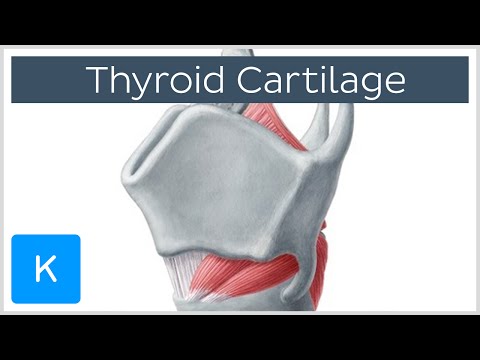
This cartilage is shaped like a shield and protects your vocal cords, which are located just behind it. Imagine wearing a protective vest; that’s basically what the thyroid cartilage does for your voice! It also plays a role in forming the structure of your throat.
The Role in Metabolism
While the thyroid cartilage itself isn’t directly involved in metabolism, it’s closely linked to the thyroid gland. This gland sits just below the thyroid cartilage and produces hormones that regulate metabolism.
Thyroid Hormones: What Are They?
The thyroid gland releases hormones like thyroxine (T4) and triiodothyronine (T3). Think of these hormones as fuel for your body’s engine—they help control how quickly your body uses energy and processes nutrients.
Common Thyroid Issues
Sometimes people’s thyroids don’t work like they should. Hypothyroidism happens when it doesn’t produce enough hormones, making things slow down—kind of like a car struggling to start. On the flip side, hyperthyroidism means too much hormone production, revving up your body’s systems and possibly leading to anxiety or weight loss.
Signs of Thyroid Problems
If you notice things like unusual tiredness, mood swings, or even changes in weight without trying—it’s worth looking into your thyroid health. A simple blood test can reveal hormone levels if you’ve got concerns.
Caring for Your Thyroid
A balanced diet full of nutrients supports overall health and can impact your thyroid function too. Foods rich in iodine are particularly essential because iodine is crucial for producing those key hormones.
- Seafood
- Dairy products
- Certain nuts and grains
If you’re considering supplements or major dietary changes, talking to someone knowledgeable about nutrition can be beneficial.
Your Body’s Metabolic Powerhouse: Understanding Connections
Your body operates on various systems that work together harmoniously—like an orchestra playing music. The metabolic processes rely on tiny players such as enzymes and hormones working smoothly to keep everything balanced.
Integration with Other Organs
The thyroid isn’t working alone; there are connections with other organs too! The adrenal glands help manage stress responses while insulin from the pancreas regulates blood sugar levels. It’s all part of a complex network maintaining harmony within our bodies.
Conclusion: It’s All Connected!
You see? Understanding how components like the thyroid cartilage relate to overall metabolic function can deepen our appreciation for our bodies’ intricate designs. If something feels off, pursuing answers through healthy lifestyle choices—and consulting professionals when needed—always pays off!
Unraveling the Neural Connections of the Thyroid Gland
Understanding the Thyroid Gland
Hey, let’s chat about the thyroid gland. It’s a butterfly-shaped gland located in your neck, just below your Adam’s apple. The thyroid plays a critical role in regulating metabolism, which is how your body uses energy.
The Role of Hormones
The thyroid produces hormones like thyroxine (T4) and triiodothyronine (T3). These hormones control things like heart rate and how you burn calories. So, if you’ve ever felt jittery or sluggish, it might be linked to your thyroid function.
Neural Connections: What’s Happening?
Now, let’s get into those neural connections. The thyroid is influenced by messages from the brain through a part called the hypothalamus. Think of it as a boss that sends orders to the workers down below.
Feedback Loops
A fascinating thing about this system is feedback loops. If your body needs more energy, the hypothalamus tells the pituitary gland to release TSH (thyroid-stimulating hormone). This prompts the thyroid to produce more T3 and T4.
Anatomy Matters
Understanding the anatomy is crucial too! Surrounding structures like cartilage—notably the thyroid cartilage—protects your vocal cords and supports your airway. So if there’s something wrong with this area, it could affect not just metabolism but also how you speak.
Your Health Insights
- A swollen thyroid can lead to problems like difficulty swallowing or breathing.
- If you feel a lump in this area or experience changes in voice, it’s worth checking out with someone—just saying!
- Regular check-ups can help catch any issues early on.
Common Myths
You might hear that women are more likely to have thyroid issues than men—and that’s true! But don’t forget that men can have problems too; it’s not just a woman’s concern
.
Coping with Changes
If you’re diagnosed with a thyroid condition like hypothyroidism or hyperthyroidism, remember it doesn’t define you. Treatment often involves medication and lifestyle adjustments. Hey, sometimes simple changes eat healthy foods can make a big difference!
Your Takeaway
The connection between neural pathways and thyroid health shows just how complex our bodies are. This little gland has big jobs that impact everything from energy levels to mood!
Exploring the Vital Lifeline of the Thyroid Gland
Understanding the Thyroid Gland
The thyroid gland plays a crucial role in our bodies. It’s a small, butterfly-shaped gland located at the front of your neck. Its primary job is to produce hormones that regulate metabolism, which is basically how your body uses energy.
What Does the Thyroid Do?
The hormones produced by the thyroid are like little messengers. They help control various functions like heart rate, weight management, and even body temperature. For instance, if you’re feeling sluggish, it could be related to thyroid hormone levels.
Thyroid Hormones: T3 and T4
There are two main hormones produced by the thyroid: triiodothyronine (T3) and thyroxine (T4). Think of T4 as the storage form of the hormone. It’s converted into T3 when your body needs it. T3 is more active and influences many bodily processes directly.
Anatomy of the Thyroid Gland
The thyroid gland consists of two main lobes connected by a small strip of tissue called an isthmus. It’s interesting to note how its location impacts other parts of your body; for example, it’s just below your Adam’s apple, which we can also refer to as thyroid cartilage.
Thyroid Cartilage Explained
You might have heard about thyroid cartilage but weren’t sure what it really was. Well, it’s basically a part of your larynx or voice box that sits in front of the throat. It protects structures in that area and gives shape to our voices when we speak or sing.
Health Concerns Related to Thyroid Function
- Hypothyroidism: This happens when the thyroid doesn’t produce enough hormones. Folks may feel tired or gain weight more easily.
- Hyperthyroidism: In contrast, this occurs when there’s too much hormone production leading to symptoms like anxiety and weight loss.
- Nodules: Sometimes lumps can form on the thyroid; these aren’t always worrisome but should be checked by a health professional if found.
The Importance of Checking Thyroid Levels
If someone feels off—like excessive fatigue or unexplained changes in weight—getting their thyroid function tested could be beneficial. A simple blood test can measure hormone levels and help identify any imbalances contributing to those feelings.
Caring for Your Thyroid Health
A balanced diet containing iodine is essential since iodine helps in hormone production. Foods like fish, dairy products, and certain grains are rich sources. Don’t forget about incorporating vegetables too; they can be great for overall health!
Minding Mental Health Too
A lot goes into mental well-being as well—it’s not just physical health! Irregularities in thyroid function can sometimes affect mood, so keeping an eye on both aspects is key.
The Bottom Line About Your Thyroid Gland
Your thyroid gland might be small but has big responsibilities! Understanding its job helps us recognize when something doesn’t feel right. Having awareness provides us with a basis for better health decisions down the line.
Understanding Thyroid Cartilage: Anatomy and Health Insights
The thyroid cartilage is a prominent structure in the neck, often referred to as the Adam’s apple. Anatomically, it’s part of the larynx, which plays a crucial role in voice production and airway protection. It’s shaped like a shield, hence its name; “thyroid” comes from the Greek word for shield.
In terms of health, the thyroid cartilage can be impacted by various conditions. For example, laryngitis or trauma can cause swelling or damage. This could potentially affect voice quality and make swallowing uncomfortable. The thyroid cartilage is also a landmark for healthcare professionals to locate other important structures in the throat.
Interestingly, men typically have larger thyroid cartilages than women, contributing to deeper voices in males. This anatomical difference showcases how closely linked our anatomy is to our everyday functioning and health.
Understanding this area of anatomy leads us to appreciate its significance beyond just structure; it also has functional implications that resonate with many aspects of vocal health and airway management. Overall, recognizing the importance of every piece in our anatomy helps us navigate better when issues arise.

