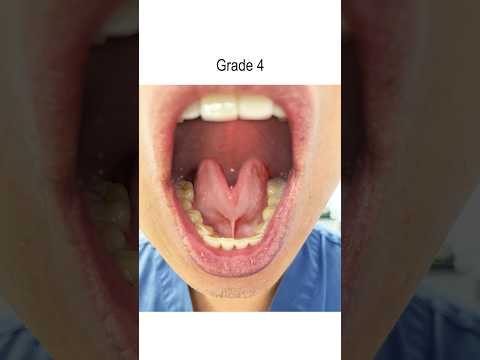
Have you ever heard of tongue tie? It’s a condition often discussed in babies, but many adults are unaware it could affect them too. Tongue tie, or ankyloglossia, occurs when the piece of tissue connecting the tongue’s underside to the floor of the mouth is too short or stiff. This can restrict tongue movement and lead to various challenges.
Imagine trying to stretch your arm but having it bound tightly at your elbow. Similarly, someone with tongue tie might find simple tasks like speaking clearly or swallowing comfortably much more difficult. Adults with this condition may experience symptoms such as difficulty articulating certain sounds, chronic jaw pain, and even issues with oral hygiene.
Understanding tongue tie is essential for recognizing how it may impact daily life. Fortunately, there are solutions available. From physical therapy exercises that improve flexibility to surgical options that can release the tight tissue, effective treatments exist.
However, it’s crucial to approach this topic thoughtfully. The journey toward understanding and treating tongue tie can be complex and varies from person to person. Always seek information from qualified specialists in different fields—like speech therapists or dental professionals—and consult reliable sources before jumping to conclusions about treatment options. Staying informed through diverse avenues will empower you on this journey toward better health and communication!
The information provided in this article is intended solely for general informational and educational purposes. It does not constitute medical advice, diagnosis or professional treatment, and should not be considered a substitute for consultation with a qualified doctor or other licensed healthcare professional. Any health-related decisions should be made in consultation with accredited medical professionals.
While efforts have been made to ensure the information is accurate and up to date, no guarantees are given—either express or implied—regarding its accuracy, completeness, currency or suitability. Use of this information is at your own discretion.
It is strongly recommended to consult official sources such as the NHS (National Health Service) or other recognised medical institutions before acting on any information contained on this website or article. Under no circumstances should professional medical advice be ignored or delayed due to content read here.
This content is of a general and informational nature only. It is not intended to replace individualised guidance from a healthcare professional or to establish any doctor-patient relationship. The publication of this information does not imply any professional responsibility, guarantee or obligation on the part of the author or this site.
Unlocking Your Speech: A Practical Guide to Overcoming Tongue-Tie in Adulthood
Understanding tongue-tie can be quite enlightening, especially for adults dealing with speech issues. This condition occurs when the band of tissue underneath the tongue is shorter than normal. It can limit tongue movement and affect speaking and eating.
Symptoms of Tongue-Tie
Adults may experience a range of symptoms from this condition. Some common signs include:
It’s important to note that some people might not realize they have tongue-tie until later in life.
Overcoming tongue-tie often involves treatment options that focus on improving mobility. One common method is a surgical procedure called frenotomy or frenuloplasty. This involves snipping the short frenulum to allow for greater movement.
However, surgery isn’t always necessary. Many adults find success with speech therapy. A speech therapist can help develop techniques to improve articulation and ease communication challenges.
Your Speech Journey
If you’re considering addressing tongue-tie, start by observing how it affects your day-to-day life. Reflect on your feelings about public speaking or social situations.
You might want to consult a healthcare provider who understands this condition well. They can guide you through understanding your options based on individual needs.
Remember, it’s essential to focus on what feels right for you. Each person’s journey is unique, and finding appropriate support is crucial for improvement.
In summary, managing tongue-tie in adulthood involves recognizing symptoms, exploring treatment options, and seeking help when needed. Whether through therapy or potential surgical interventions, taking steps toward better speech can be empowering and rewarding!
Exploring Effective Solutions for a Common Condition
Understanding tongue tie, or ankyloglossia, is essential for many adults who may not even realize they have it. This condition occurs when the tissue that connects the tongue to the bottom of the mouth is too tight or short.
You might wonder how this affects daily life. Well, for some, tongue tie can lead to difficulties in speaking clearly. Others may experience trouble with eating or swallowing. It can also cause tension in the jaw and neck muscles.
Symptoms often include:
So, what are the solutions available?
Many adults discover their tongue tie late in life and begin to seek relief. One common approach is speech therapy. This can help in improving articulation and clearing up any confusion caused by speech difficulties.
Another option is a surgical procedure called frenectomy. This involves snipping the tight band of tissue under the tongue to give more freedom of movement. While it sounds intense, many find it a quick process with a manageable recovery period.
Some people also turn to stretching exercises as a non-invasive way to improve mobility before considering surgery. These exercises may help gently stretch the frenulum over time.
Before making any decisions, it’s important to consult someone knowledgeable about your specific situation. Think critically about your symptoms. Compare different approaches and weigh their pros and cons.
It’s easy to overlook conditions like tongue tie since they might seem minor compared to other health issues. However, if you find yourself facing challenges related to this condition, know that there are effective solutions out there.
Informed choices empower you on your health journey! Remember to keep open conversations with supportive individuals who understand what you’re going through.
Unraveling the Impact on Daily Life and Well-Being
Understanding tongue tie, or ankyloglossia, is important for adults too. It can significantly affect daily life and overall well-being.
Tongue tie occurs when the thin piece of tissue under the tongue is shorter than usual. This can limit tongue movement, which might lead to various challenges.
Some symptoms include difficulty pronouncing certain words or sounds. You might struggle with eating certain foods or feel discomfort while chewing.
Additionally, it could lead to issues like jaw pain or headaches. It’s not just physical; it can also impact self-esteem and social interactions.
Imagine trying to eat a favorite meal but finding it a challenge. Frustration in such simple tasks can take a toll on mental health.
For some, tongue tie might affect sleep as well. If you’re unable to breathe properly at night, it can disrupt your rest and daytime functioning.
Addressing tongue tie typically involves consulting with a health professional who understands this condition. They may suggest different approaches based on individual needs.
Some options could be speech therapy for communication issues or even procedures to release the tethered tissue. However, each case is unique.
It’s essential to discuss any concerns with someone who knows about these topics rather than relying on quick fixes found online.
If you suspect that tongue tie is affecting your life, take the time to learn more and seek guidance from appropriate resources.
Understanding its impact allows you to make informed decisions about your health and well-being—because awareness is the first step toward improvement!
Understanding tongue tie in adults is a nuanced topic that requires both awareness and empathy. Tongue tie, or ankyloglossia, occurs when the band of tissue connecting the tongue to the floor of the mouth is too tight or short. This condition can lead to various challenges beyond infancy, including speech difficulties, oral hygiene issues, and even discomfort while eating.
Many adults may not realize they have tongue tie until they experience symptoms like restricted movement of the tongue or trouble pronouncing certain words. Awareness is key. Understanding how this condition manifests can empower individuals to seek appropriate help.
Solutions for tongue tie often involve physical therapy exercises aimed at improving mobility. In some cases, a simple surgical procedure known as frenectomy may be recommended. This can relieve tension, improve function, and enhance overall quality of life.
It’s essential to approach this topic with an open mind and critical thinking. Not every instance requires surgery; many individuals find relief through non-invasive methods. The goal should always be informed decision-making based on individual needs.
Overall, fostering awareness about tongue tie in adults encourages better communication around oral health and wellness. By understanding symptoms and potential solutions, people can take proactive steps toward their health without undue fear or confusion.