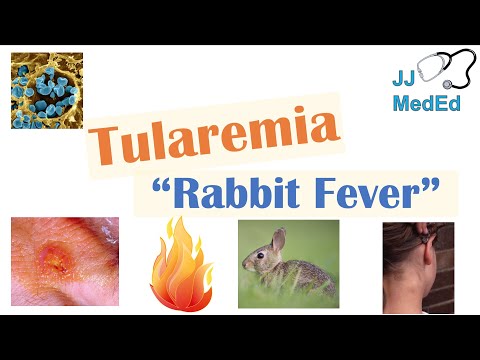
Have you ever heard of tularemia? This fascinating but rare bacterial infection can catch many people off guard. Known as “rabbit fever,” it primarily affects animals, especially rodents and rabbits, but can spill over into humans. Understanding tularemia is vital because it reveals the intricate connection between wildlife and human health.
This article will explore the causes of tularemia, its symptoms, and how to care for yourself if you suspect an infection. You’ll learn how this tiny bacterium can cause a range of health issues and why awareness is key to prevention.
Warning: It’s essential to seek information from various specialists and reliable sources when it comes to health topics like tularemia. Misinformation can lead to misunderstandings about risks and treatment options. Stay curious, ask questions, and empower yourself with knowledge for informed decision-making regarding your health!
The information provided in this article is intended solely for general informational and educational purposes. It does not constitute medical advice, diagnosis or professional treatment, and should not be considered a substitute for consultation with a qualified doctor or other licensed healthcare professional. Any health-related decisions should be made in consultation with accredited medical professionals.
While efforts have been made to ensure the information is accurate and up to date, no guarantees are given—either express or implied—regarding its accuracy, completeness, currency or suitability. Use of this information is at your own discretion.
It is strongly recommended to consult official sources such as the NHS (National Health Service) or other recognised medical institutions before acting on any information contained on this website or article. Under no circumstances should professional medical advice be ignored or delayed due to content read here.
This content is of a general and informational nature only. It is not intended to replace individualised guidance from a healthcare professional or to establish any doctor-patient relationship. The publication of this information does not imply any professional responsibility, guarantee or obligation on the part of the author or this site.
Uncovering the Hidden Triggers Behind a Rare Disease
Tularemia is a rare but serious infectious disease caused by the bacterium *Francisella tularensis*. It’s often overlooked because it doesn’t occur frequently. However, understanding it can help us recognize its potential risks.
This disease primarily affects animals, especially rodents and rabbits. Humans typically contract it through contact with infected animals, insect bites, or contaminated water.
Key triggers of tularemia include:
The symptoms of tularemia can vary widely. They appear suddenly and may include fever, chills, fatigue, and swollen lymph nodes. Some people also experience skin ulcers or respiratory issues.
It’s important to note that not every interaction with wildlife will lead to infection. Awareness is crucial for reducing risk factors. For example, it’s wise to wear gloves when handling animals and use insect repellent to avoid bites.
If you suspect you might have tularemia, seeking medical care promptly is essential. Diagnosis can be tricky because its symptoms often resemble those of other illnesses.
Treatment usually involves antibiotics and can be very effective if started early. The key takeaway? Understanding the triggers of tularemia helps in making informed decisions about prevention and care.
Be mindful of wildlife interactions and always practice good hygiene in areas where this disease is known to occur. Knowledge really is your best defense against this hidden threat!
Uncovering Effective Strategies to Combat This Rare Infectious Disease
Tularemia is a rare infectious disease caused by the bacterium *Francisella tularensis*. It’s important to understand how this disease spreads, its symptoms, and effective strategies for management and prevention.
The bacterium can be found in various wild animals, like rabbits, deer, and rodents. People typically become infected through contact with these animals or their environments. For example, handling an infected animal can lead to transmission if proper precautions aren’t taken.
Symptoms of tularemia can vary widely. Some common signs include:
These signs may appear suddenly and could be mistaken for other illnesses. If you suspect you have been exposed to tularemia or experience these symptoms, it’s essential to seek medical attention promptly.
Caring for someone with tularemia generally involves supportive treatment and sometimes antibiotics. Early diagnosis is crucial. Providers may prescribe medicines like streptomycin or gentamicin to help treat the infection effectively.
To combat tularemia, prevention plays a big role. Here are some practical strategies:
It’s also wise to take precautions during outdoor activities like hunting or camping. Always watch for signs of illness in wildlife around you.
Stay informed about your local environment too. Tularemia outbreaks tend to happen in certain regions more than others, especially where specific wildlife populations are prevalent.
Remember that while tularemia is serious, it’s also quite rare. Knowledge about transmission and recognizing symptoms can empower you to make informed decisions about your health and safety.
Always consult with healthcare professionals regarding any concerns about exposure or illness related to tularemia. Taking an active role in your health includes asking questions and seeking reliable information as needed.
Uncovering the Key Symptoms of a Rare Disease
Tularemia is a rare infectious disease caused by the bacterium *Francisella tularensis*. It’s often linked to contact with infected animals or bites from ticks and deer flies. Understanding its symptoms is important for early detection and care.
The symptoms of tularemia can vary widely. They may appear suddenly, typically within 3 to 5 days after exposure. Some people might not even know they’ve been infected until they start noticing changes in their health.
Here are some common symptoms to watch for:
In more specific cases, symptoms can differ based on how a person was exposed:
– If you have skin exposure, you might see ulcers at the site of a bite or cut.
– For those who inhale the bacteria, respiratory issues such as cough and difficulty breathing may occur.
– There may also be gastrointestinal symptoms, like abdominal pain, if ingested.
The key takeaway is that tularemia can mimic other illnesses. This makes it challenging to identify without proper testing.
If you suspect you’re experiencing any combination of these symptoms after potential exposure, it’s crucial to seek medical attention promptly. Timely diagnosis and treatment improve outcomes significantly.
Remember, while tularemia is serious, awareness and understanding are your best tools for prevention and care. Stay informed about risks, especially if you spend time in rural areas or handle wild animals. Always practice good hygiene!
Understanding tularemia is crucial for recognizing and addressing this lesser-known infectious disease. Tularemia is caused by the bacterium *Francisella tularensis*, which can be found in various environments, particularly in areas where wildlife, especially rabbits and rodents, are prevalent.
The symptoms of tularemia can be quite diverse. Individuals infected may experience sudden fever, chills, headaches, and muscle aches. Depending on the route of infection—be it through bites from infected animals, inhalation of bacteria, or through contaminated water—symptoms may include skin ulcers or respiratory issues. This variability can make diagnosis challenging.
Awareness of tularemia is also vital for prevention. Since it often spreads through contact with infected animals or contaminated surfaces, practicing good hygiene and avoiding handling wild animals can significantly reduce risk. In addition to individual measures, public health efforts play a key role in monitoring and managing outbreaks.
Care for those affected includes antibiotic treatment, which is highly effective when started early. Recognizing symptoms promptly and seeking medical advice can lead to better outcomes.
By understanding the causes and symptoms of tularemia, we empower ourselves and our communities to stay informed about this potentially serious but preventable illness. Knowledge is key in fostering a proactive approach to health care decisions and safeguarding public health.