The information provided in this article is intended solely for general informational and educational purposes. It does not constitute medical advice, diagnosis or professional treatment, and should not be considered a substitute for consultation with a qualified doctor or other licensed healthcare professional. Any health-related decisions should be made in consultation with accredited medical professionals.
While efforts have been made to ensure the information is accurate and up to date, no guarantees are given—either express or implied—regarding its accuracy, completeness, currency or suitability. Use of this information is at your own discretion.
It is strongly recommended to consult official sources such as the NHS (National Health Service) or other recognised medical institutions before acting on any information contained on this website or article. Under no circumstances should professional medical advice be ignored or delayed due to content read here.
This content is of a general and informational nature only. It is not intended to replace individualised guidance from a healthcare professional or to establish any doctor-patient relationship. The publication of this information does not imply any professional responsibility, guarantee or obligation on the part of the author or this site.
Have you ever wondered why your muscles sometimes feel stiff after a workout? Or maybe you’ve experienced that satisfying burn during a tough exercise. The thing is, understanding how muscles work can be a game changer for your health and fitness journey.
Muscle contractions are more than just a fancy term. They’re what helps you lift, run, and even get out of bed in the morning! Honestly, knowing the different types of muscle contractions can help you tailor your workouts and enhance your strength. It’s like having a playbook for your own body.
This article is all about those muscle contractions—what they are, how they function, and why they matter to your well-being. Whether you’re an athlete or someone just looking to stay fit, understanding these concepts can empower you.
Just a friendly reminder: this content isn’t medical advice. Health decisions should not be based solely on what you read here. Always talk to a healthcare professional when it comes to your health concerns.
Harnessing the Power of Muscles Without Movement
Understanding Muscle Contractions
Muscles are fascinating, right? They help us do everything, from walking to lifting objects. But what if I told you that muscles can be engaged without actually moving? That’s where the beauty of muscle contractions comes into play.
What Are Muscle Contractions?
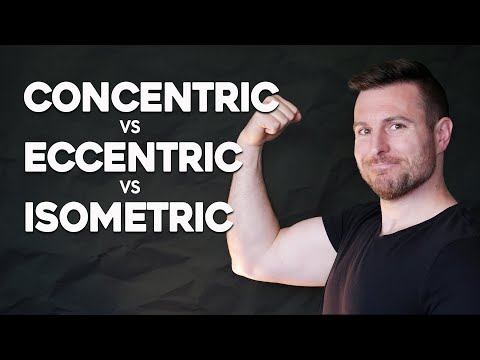
Muscle contractions happen when your muscles generate force. There are three main types: concentric, eccentric, and isometric contractions. Each type serves a different purpose and results in various effects on our bodies.
- Concentric Contraction: This is when the muscle shortens while it generates force. An example is when you lift a dumbbell towards your shoulder. The bicep muscle gets smaller as it works.
- Eccentric Contraction: Here, the muscle lengthens while still exerting force. Think about lowering that dumbbell back down—your muscle is controlling the descent and stretching at the same time.
- Isometric Contraction: This type occurs when muscles contract without changing length. For instance, if you’re holding a plank position or pushing against an immovable object, that’s isometric work.
The Power of Isometric Training
You might wonder why isometric contractions are important. Well, they can help build strength without needing to move around much. This style of training can benefit those who may have joint issues or are recovering from injuries.
For example, take someone with a knee injury who can’t do traditional squats yet; they could perform wall sits to engage their thigh muscles safely without putting too much stress on their joints.
The Benefits of Non-Movement
No movement doesn’t mean no benefits! Engaging your muscles through isometric exercises can improve endurance and stability. It helps strengthen tendons and ligaments too, which often get overlooked during regular workouts.
- Aids in Rehabilitation: Many physical therapy programs incorporate isometric exercises because they allow for controlled engagement of muscles while minimizing strain on injured areas.
- Might Increase Strength: When done correctly over time, these exercises can contribute to overall strength gains even if you’re not moving around much.
Cautions and Considerations
Bearing down hard isn’t always smart—it’s essential to listen to your body! Overdoing it with any form of exercise can lead to problems like stiffness or soreness. Plus, not everyone should jump into intense training without proper guidance first.
If you’re new to this kind of training or recovering from something particular like an injury—chatting with a health professional might be wise before diving in!
Your Takeaway
The thing is this: harnessing the power of muscles without movement opens up new avenues for health and fitness. Understanding how different types of contractions work allows you to build strength effectively while accommodating for different limitations or goals.
A little curiosity goes a long way! Whether you’re lifting weights or just holding a position for some time—know that every contraction has its place in keeping our bodies strong and functional.
Exploring the Dance of Fibers: How Your Muscles Move and Rest
The Basics of Muscle Contractions
Hey, let’s talk about muscle contractions. You know, those magical movements that help us walk, run, or even just stand up? Our muscles contract in various ways to achieve all these actions. Two main types of contractions are crucial for our understanding: isometric and isotonic.
Isometric Contractions
So, what’s an isometric contraction? Imagine you’re pushing against a wall. Your muscles are working hard, but the wall doesn’t budge. In this type of contraction, your muscles generate force without changing length. Think of it like holding a heavy box in place; no movement occurs, yet your muscles are engaged.
Isotonic Contractions
Now let’s look at isotonic contractions. Here’s where things get interesting! In isotonic contractions, your muscles change length while lifting or lowering a weight. There are two types:
- Eccentric: This happens when your muscle lengthens while under tension—like when you lower a dumbbell.
- Concentric: This is when your muscle shortens to lift something—like curling that dumbbell up.
The Importance of Muscle Fiber Types
You might’ve heard about slow-twitch and fast-twitch fibers before. These two types determine how our muscles function during different activities. Slow-twitch fibers are great for endurance and long-duration activities like running or swimming—they don’t tire easily! Fast-twitch fibers? They’re like sprinters; they can generate quick bursts of power but fatigue quicker too.
Your Body’s Needs
The balance between these fiber types depends on what you do regularly. If you’re into cardio workouts—your body will likely adapt by developing more slow-twitch fibers. If you’re into heavy lifting or sprinting—it’ll favor those fast-twitch fibers instead!
Rest and Recovery: A Key Element
This may sound simple, but resting is as important as exercising! When you work out, especially with strength training, you create tiny tears in the muscle fibers. Don’t freak out; this is part of the growth process! During rest periods—your body repairs these tears and builds stronger muscle tissue.
The Recovery Process
Your body needs time to heal between workouts if you want those gains to happen. Usually, 48 hours between intense sessions targeting the same muscle group can be beneficial so don’t skip out on that downtime!
Dancing Between Activity and Rest
If we think about it like dancing—it’s all about rhythm! For effective health and fitness routines, recognize when to push yourself with those contractions and when to take it easy with some good recovery time.
- Pushing limits fosters growth.
- Taking time off helps repair and strengthen.
Finding this balance will not only improve performance but also keep injuries at bay down the line.
Understanding Muscle Movement: The Power of Isotonic Contraction
Muscle contractions are fundamental to how our bodies move. Imagine your muscles like rubber bands—stretching and contracting to help you perform various tasks. There are different types of muscle contractions, but here we’ll focus on isotonic contraction.
What is Isotonic Contraction?
In simple terms, isotonic contraction occurs when a muscle changes length while generating force. Think about lifting a dumbbell. As you lift it, your bicep shortens; when you lower it back down, the bicep lengthens again. Both actions involve isotonic contractions!
This type of contraction comes in two flavors: concentric and eccentric. With concentric contraction, the muscle shortens as it works, like lifting that dumbbell upwards. Eccentric is when the muscle lengthens under tension—in this case, lowering the dumbbell back down.
Why Does It Matter?
You might wonder why understanding muscle contractions is important for health or fitness. Well, isotonic exercises can improve strength and endurance over time. When you regularly engage in activities that use these contractions—like running or resistance training—you help your muscles adapt and grow stronger.
For example, think about athletes or people who work out at the gym: they often incorporate exercises focusing on both concentric and eccentric movements to maximize their gains. It’s about balance!
A Real-Life Example
Imagine you’re doing squats—an excellent way to put isotonic contractions into practice! When you stand up from the squat position, that’s concentric contraction; as you lower yourself back down into the squat, that’s eccentric one. This pattern strengthens not only your legs but also engages your core.
Busting Some Myths
There’s a common misconception that all exercise needs to be high intensity to be effective. While intense workouts can be beneficial for some people, incorporating smoother isotonic movements can lead to fantastic results too! They’re often easier on joints and perfect for building long-lasting strength.
Final Thoughts
Understanding isotonic contractions gives us insight into how movement works in our bodies. It’s crucial whether you’re an athlete or just someone looking to stay active! By appreciating how our muscles function during different tasks—even outside of formal exercise—we can make more informed choices for our overall health.
Understanding the different types of muscle contractions is vital for improving health and fitness. Muscles work differently when we engage them, and knowing how can be a game changer.
There are mainly three types of muscle contractions: concentric, eccentric, and isometric. Concentric contractions occur when muscles shorten as they create force. A classic example is lifting a weight during a bicep curl. You lift, your muscles get shorter—simple!
Eccentric contractions happen when muscles lengthen while still producing tension. Think about lowering that weight back down in the bicep curl. Your muscles are working hard to control the descent without just dropping it.
Isometric contractions involve no change in muscle length at all. Imagine pushing against a wall; your muscles are engaged, but they don’t move. This type of contraction builds strength effectively, especially in stationary positions.
Why does this matter? Because understanding these contractions helps us tailor workouts for specific goals—whether you’re looking to build strength, enhance flexibility or recover from an injury.
An example would be athletes who need both explosive power and stability—they may focus more on concentric training for quick bursts and incorporate eccentric exercises to prevent injuries.
This knowledge opens up many possibilities for exercise routines. Whether you’re a beginner or experienced gym-goer, recognizing how to utilize these contractions can lead to better overall performance and health outcomes.