The information provided in this article is intended solely for general informational and educational purposes. It does not constitute medical advice, diagnosis or professional treatment, and should not be considered a substitute for consultation with a qualified doctor or other licensed healthcare professional. Any health-related decisions should be made in consultation with accredited medical professionals.
While efforts have been made to ensure the information is accurate and up to date, no guarantees are given—either express or implied—regarding its accuracy, completeness, currency or suitability. Use of this information is at your own discretion.
It is strongly recommended to consult official sources such as the NHS (National Health Service) or other recognised medical institutions before acting on any information contained on this website or article. Under no circumstances should professional medical advice be ignored or delayed due to content read here.
This content is of a general and informational nature only. It is not intended to replace individualised guidance from a healthcare professional or to establish any doctor-patient relationship. The publication of this information does not imply any professional responsibility, guarantee or obligation on the part of the author or this site.
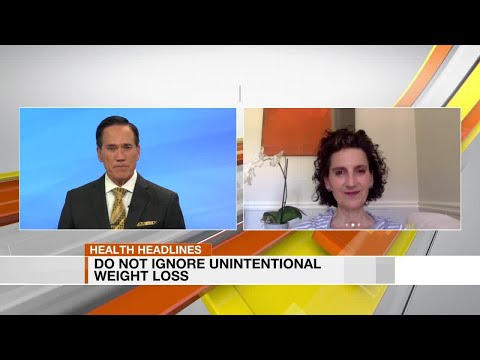
Have you ever noticed that your pants feel looser, but you haven’t changed your diet or exercise routine? Unintentional weight loss can be puzzling. It’s more common than you might think and can signal something that needs attention. Maybe you’re feeling fine, but that unexpected dip on the scale has got you wondering, “Is this normal?”
Understanding why weight loss happens without trying is important. Sometimes it can be linked to stress, new medications, or even an undiagnosed health issue. Knowing the underlying causes may help you find peace of mind—or motivate you to seek further guidance.
This article dives into those potential reasons for sudden weight loss and what concerns could arise from it. We’ll chat about signs to watch for and when to see a healthcare professional, maybe even share some relatable stories along the way.
Just remember, while it’s great to learn about these things, this content doesn’t replace medical advice. Health decisions should always be made in consultation with a healthcare professional who knows your unique situation.
Uncovering the Hidden Reasons Behind Unexplained Weight Loss
Hey there, you might have noticed someone shedding pounds without really trying. It can be puzzling, right? Unexplained weight loss can happen for many reasons, some of which might be serious.
Why does it happen?
First off, when we talk about weight loss that’s unexplained, we mean losing more than 5% of your body weight within six months without changing your diet or exercise routine. Sounds alarming? Well, it should be looked into.
- Medical Conditions: There are several health issues that could lead to weight loss. Thyroid problems are common culprits. An overactive thyroid makes your body burn calories faster.
- Cancers: Some cancers cause unintentional weight loss due to metabolic changes or a decreased appetite. Early stages may not show other symptoms.
- Mental Health: Conditions like depression or anxiety can change how you eat. Stress often leads to reduced hunger and thus, weight loss.
- Digestive Issues: If your gut isn’t absorbing nutrients well, you could lose weight even if you’re eating enough. Conditions like celiac disease or Crohn’s disease affect nutrient absorption.
- Meds and Drugs: Certain medications can lead to nausea or a lack of appetite. Sometimes they can make foods taste different too.
How do we figure it out?
If unexplained weight loss happens to you (or someone else you care about), it’s important to take note of any other symptoms. Coughing, fever or fatigue shouldn’t be ignored.
A good first step is a visit to a healthcare provider who’ll usually start with questions about diet and lifestyle and may suggest tests like blood work or imaging if necessary.
The emotional side
Losing weight unexpectedly can feel scary and frustrating. You might feel confused or worried about what’s going on in your body. It’s completely natural! Support from friends and family (or professionals) can help during this time. You’re not alone in this journey; many people experience similar feelings when facing health changes.
The bottom line
Taking unexplained weight loss seriously is vital—it could point to underlying health concerns that need attention. Keep an eye on any changes in how you feel physically and emotionally because they matter too! Communication with healthcare providers helps unveil what’s really going on under the surface.
This issue deserves some serious thought; so don’t delay if something seems off!
Uncovering the Surprising Reasons Behind Unexplained Weight Loss
Unexplained Weight Loss: What’s Going On?
Hey, if you’ve noticed some unexpected weight loss, you might be feeling a bit worried. It can really throw you off balance, right? Let’s break down some potential reasons why this happens.
1. Stress and Anxiety
Life can get pretty hectic sometimes. Stress doesn’t just mess with our minds; it can mess with our bodies too. When you’re stressed, your body produces hormones that can reduce appetite or increase metabolism. So, losing weight might happen without you even trying.
2. Thyroid Issues
Your thyroid is like the body’s gas pedal for metabolism. If it’s overactive—a condition called hyperthyroidism—you might find yourself shedding pounds without intending to. Symptoms can include rapid heartbeat and anxiety.
3. Chronic Illness
Sometimes, weight loss is linked to underlying health issues like diabetes or gastrointestinal problems. Conditions like Crohn’s disease or celiac disease affect how your body absorbs food, leading to unintentional weight changes over time.
4. Medications
Certain medications can lead to weight loss as a side effect as well—think of some antidepressants or medications for ADHD. If you’ve started something new recently and noticed changes in your body, it’s worth chatting with someone about it.
5. Depression
Mental health plays a big role in our physical health too! Depression can decrease your interest in food or cooking and lead to weight loss unknowingly.. Feeling blue isn’t just in our heads; it impacts how we care for ourselves physically.
6. Nutritional Deficiencies
A lack of key nutrients might trigger weight loss too—like when your diet becomes imbalanced over time.. For instance, low iron levels could mean your body isn’t getting what it needs to maintain muscle mass and energy levels.
If You’re Worried…
If unexplained weight loss has become a concern for you (or someone close), don’t hesitate to reach out for support! Talking about symptoms with healthcare professionals helps figure out the root cause together.
The thing is not every case of weight loss signals something serious right away—but staying informed is important! Keeping an eye on what’s happening really helps in identifying patterns over time.
A Quick Reminder
- If it’s sudden and unexplained, consider keeping track of any additional symptoms you experience.
- Taking care of mental wellbeing is just as important as physical health!
- A balanced diet filled with nutrients influences overall well-being significantly!
Your body is unique! Understanding these changes takes time and attention but will help immensely in navigating what works best for you! Keep learning and take care!
Unlocking the Secrets Behind Unexpected Changes in Your Body
Understanding Unintentional Weight Loss
Unexpected weight loss can be alarming. When you notice those pounds disappearing without trying, it’s natural to feel concerned. But why does this happen? Honestly, there are many reasons—some simple, and others quite complex.
Common Causes
One of the most common reasons for sudden weight loss is stress. Imagine you’re juggling work, family, and personal issues. It’s overwhelming, right? Stress can mess with your appetite and even lead to changes in metabolism.
- Diet Changes: Have you recently changed your eating habits? Maybe you’ve cut calories or shifted to a new diet that doesn’t provide enough nutrition.
- Medical Conditions: Certain health issues like hyperthyroidism can cause weight loss. This condition speeds up your metabolism—think of it like revving an engine too high.
- Mental Health: Conditions like depression or anxiety often impact appetite. You might not even realize how much less you’re eating until the scale shows a number that surprises you.
A Closer Look at Medical Factors
If you’re experiencing unintentional weight loss, it’s important to consider other potential medical conditions. You might question: what else could be going on?
- Infections: Chronic infections, such as tuberculosis or HIV/AIDS, can lead to significant weight loss due to inflammation and energy expenditure.
- Cancer: Some cancers cause the body to burn more calories than normal—think of it as your body working overtime without a break.
- Digestive Issues: Conditions like celiac disease can hinder nutrient absorption from food—this means you’re eating but not getting what your body actually needs.
The Importance of Monitoring Your Body
The key takeaway here is awareness. Keeping track of your food intake isn’t just for dieters; it’s useful for anyone noticing changes in their health status. Note any other symptoms you might have, like fatigue or digestive problems; they could be telling signs of something more serious.
If your weight continues to drop without explaining reasonings or if other worrisome symptoms appear, reaching out for help is vital.. A healthcare professional can dig deeper into what’s happening in your body—it’s always best not to brush things aside when it comes to health matters!
Mental and Emotional Well-being
You should also consider how you’re feeling emotionally. Weight isn’t just a number; it affects self-esteem and mental well-being too! Sometimes chatting with someone you trust about these feelings helps relieve some pressure while providing insight on next steps..
A Final Thought on Unexpected Changes
Your body communicates with you all the time—even when managing unexpected changes like weight fluctuations. Taking a moment to reflect on lifestyle choices and feelings can sometimes reveal significant insights about our overall health . So pay attention! Being proactive about these changes sets the stage for better well-being down the line!
Understanding Unintentional Weight Loss: Causes and Concerns
Unintentional weight loss can be puzzling, and it often raises a red flag for many. Sometimes, we think of weight loss as a good thing, but when it happens without trying, it can signal underlying health issues.
There are various reasons this might occur. For one, medical conditions like cancer or hyperthyroidism can lead to significant losing weight you didn’t expect. Think of hyperthyroidism as your metabolism being on overdrive—it burns through energy too fast.
Mental health is another factor. Anxiety and depression can affect appetite or even how your body processes food. This connection shows us that our mental state is closely tied to physical health; if something feels off in your mind, it might translate to your body.
Consider also the role of medications. Some drugs have side effects like nausea or decreased appetite, which could contribute to unintentional weight loss. It’s important to communicate openly with healthcare providers about any changes in weight after starting new medications.
If you notice this happening—maybe your clothes fit differently or you’ve stepped on the scale out of curiosity—a check-in with a medical professional is wise. They can help figure out whether it’s something serious or just a temporary phase in your life.
It’s essential not to ignore these changes because they can lead to complications like nutrient deficiencies or weakened immunity over time. So being aware and proactive is key.
The bottom line? Unintentional weight loss deserves attention, not worry alone but curiosity about what’s happening beneath the surface.