The information provided in this article is intended solely for general informational and educational purposes. It does not constitute medical advice, diagnosis or professional treatment, and should not be considered a substitute for consultation with a qualified doctor or other licensed healthcare professional. Any health-related decisions should be made in consultation with accredited medical professionals.
While efforts have been made to ensure the information is accurate and up to date, no guarantees are given—either express or implied—regarding its accuracy, completeness, currency or suitability. Use of this information is at your own discretion.
It is strongly recommended to consult official sources such as the NHS (National Health Service) or other recognised medical institutions before acting on any information contained on this website or article. Under no circumstances should professional medical advice be ignored or delayed due to content read here.
This content is of a general and informational nature only. It is not intended to replace individualised guidance from a healthcare professional or to establish any doctor-patient relationship. The publication of this information does not imply any professional responsibility, guarantee or obligation on the part of the author or this site.
Have you ever wondered why some fats are considered “bad” while others are labeled as “good”? It’s a bit puzzling, isn’t it? Well, let’s break it down. Unsaturated fats, often found in foods like avocados and nuts, can actually be beneficial for your heart health. They might even help lower bad cholesterol levels.
In a world where dietary trends come and go, it’s important to understand the role these fats play in our lives. Many people worry about fat intake without recognizing that not all fats are created equal. Honestly, knowing the difference can make a big impact on your well-being.
This article will explore unsaturated fats—what they are, where to find them, and how they positively affect your heart health. We’ll discuss how incorporating unsaturated fats into your diet can be a simple step toward better overall health.
Just remember, this information is meant to help you understand your choices better. It’s not a substitute for professional medical advice. Always talk to your healthcare provider before making any major changes to your diet or lifestyle.
Discovering the Healthier Choice: Unraveling the Truth About Fats
Understanding Fats
Fats often get a bad rap. But not all fats are created equal. When you talk about fats, you generally have saturated and unsaturated fats. Honestly, understanding these distinctions can really reshape how we think about what we eat.
Saturated vs. Unsaturated Fats
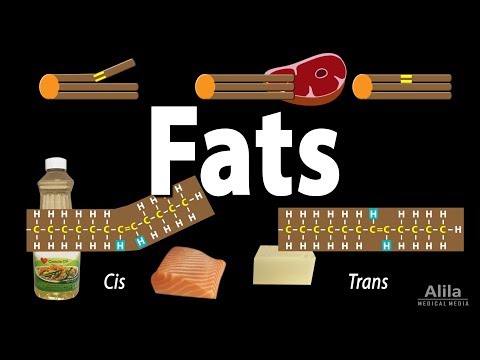
Saturated fats are typically found in animal products like butter, cheese, and fatty cuts of meat. They tend to be solid at room temperature. On the other hand, unsaturated fats are usually liquid at room temp and come from plants and fish. Think olive oil or avocados for example.
What Are Unsaturated Fats?
Unsaturated fats are divided into two categories: monounsaturated and polyunsaturated fats. You can find monounsaturated fats in foods like nuts, seeds, and avocados. Polyunsaturated fats are often found in fatty fish such as salmon, flaxseeds, and walnuts.
Benefits for Heart Health
You might wonder why everyone is talking about unsaturated fats being heart-healthy. Well, research suggests that they can help lower bad cholesterol levels—specifically LDL cholesterol—and raise good cholesterol levels (HDL). This shift is important because high LDL cholesterol is linked to heart disease.
A Real-Life Example
Imagine your body as a car engine needing oil to run smoothly. Unsaturated fats act like high-quality oil, keeping everything running efficiently without causing buildup that can lead to issues down the line.
Balancing Your Fat Intake
The key here is balance. It’s easy to lean too much toward unhealthy saturated fats if you’re not careful which may lead to health complications over time. Swapping out some saturated fat sources for unsaturated ones could be a cool move for your health!
Misinformation Around Fats
A common myth is that all fat is bad; that just isn’t true! For instance, trans fats—which are industrially modified—are where real concerns lie because they increase the risk of heart disease.
Your Choices Matter
Incorporating more unsaturated fats into your diet doesn’t have to be complicated! You could drizzle olive oil on your salad or snack on some almonds instead of chips.
The bottom line? Understanding the different types of fat gives you tools to make healthier choices without giving up taste or satisfaction.
Delicious and Healthy Choices for Your Diet
Understanding Unsaturated Fats: Benefits for Heart Health
Hey, let’s talk about unsaturated fats. You may have heard of them, and they’re actually quite friendly for your heart. So, what are these fats? Well, unsaturated fats come mainly from plant sources and fish. They’re usually liquid at room temperature. Think olive oil, avocados, nuts, and fatty fish like salmon.
Now, there are two types of unsaturated fats: monounsaturated and polyunsaturated. Monounsaturated fats are found in foods like avocados and olive oil; they can help reduce bad cholesterol levels. Polyunsaturated fats include omega-3 and omega-6 fatty acids, found in fish and some nuts.
Heart Health Benefits
You know how we always hear that heart disease is a leading issue? Eating unsaturated fats may be one way to support heart health. Sometimes people worry about fat making you gain weight or clogging arteries. It’s really about the kind of fat you eat.
- Reduces Bad Cholesterol: These healthy fats can lower your low-density lipoprotein (LDL) cholesterol – the “bad” kind.
- Improves Blood Vessel Function: Unsaturated fats help keep the blood vessels flexible so they can do their job effectively.
- Supports Weight Management: Including some healthy fat in your diet can actually help you feel full longer, which may prevent overeating.
How to Include Them in Your Diet
You might be wondering how to add these beneficial fats into your meals. It’s simpler than it sounds! Adding a handful of nuts to your morning yogurt or using avocado instead of butter on toast makes sense.
And don’t forget about cooking! Using olive oil in recipes is a great way to get those good fats while preparing delicious dishes. Just remember that moderation is key; even healthy fat has calories!
A Few Common Myths
- “All Fats are Equal”: Not all fats are created equal! Saturated and trans fats can harm heart health while unsaturated ones support it.
- “You Should Avoid Fat Entirely”: Fat isn’t the enemy; it’s just important to choose wisely which types you consume.
- “Only Fish Contains Omega-3s”: While fish is great for omega-3s, flaxseeds and walnuts also pack a punch!
The thing is—understanding what goes into our diet helps us make better choices for ourselves. That doesn’t mean completely cutting out other types of fat; rather it’s about balance!
A Final Note on Variety
Your body thrives on variety! Incorporating diverse foods—fruits, vegetables, whole grains along with healthy fats—can give you essential nutrients without compromising flavor or satisfaction. Remember: it’s not just about what you eat but also enjoying what’s on your plate!
If you’re looking to make changes in your diet or are unsure what’s best for you specifically—consider chatting with someone who knows their stuff when it comes to nutrition!
Delicious Choices and Surprising Sources of Saturated Fat
Understanding Saturated Fats
Saturated fats often get a bad rap. They’re found in many foods we love, but it’s good to know what they really do in our bodies. These fats are usually solid at room temperature and are commonly found in animal products like butter, cheese, and red meat.
Here’s the thing: not all saturated fats affect your health the same way. Some research suggests that moderation is key. It’s crucial to balance them with unsaturated fats, which can be more beneficial for heart health.
Delicious Sources of Saturated Fat
You might be surprised where you find saturated fat hiding. For instance:
- Coconut oil is often hailed for its unique flavor but contains a lot of saturated fat.
- Palm oil adds richness to many processed foods, yet it’s another source to be cautious about.
- Dairy products like whole milk, cream, and certain cheeses bring creaminess but also pack a punch of saturated fat.
Now, let’s not forget about those juicy steaks and crispy bacon! While they taste amazing, they do contain significant amounts of these fats.
The Unsaturated Fats Connection
So you might wonder what unsaturated fats are up to while all this is happening. Unsaturated fats are generally liquid at room temperature and can actually help improve heart health when consumed in place of saturated fats. Examples include olive oil, nuts, and avocados.
They help lower bad cholesterol levels (this is called LDL) while raising good cholesterol levels (known as HDL). But you don’t have to dive into unsaturated fats only; a well-rounded diet includes both types—just watch those portions!
Finding Balance
The key takeaway? Balance is essential. It’s not about eliminating all sources of saturated fat from your diet; doing so may lead to cravings or feelings of deprivation. Instead, try swapping out some high-saturated options for healthier ones when preparing meals or snacks.
- If you’re reaching for butter on your toast one morning, consider using avocado spread for a change!
- Add some nuts or seeds into yogurt instead of granola that’s heavy on sugar and fat.
Ultimately, it’s about making conscious choices that work for your lifestyle while keeping an eye on overall nutrition. Remember: moderation can go a long way!
Understanding Unsaturated Fats: Benefits for Heart Health
Unsaturated fats are often highlighted as the “good” fats. They can be found in various food sources, like avocados, nuts, and fish. Unlike saturated fats, which can raise cholesterol levels, unsaturated fats have the potential to benefit heart health.
This type of fat is categorized into monounsaturated and polyunsaturated fats. Monounsaturated fats are primarily in olive oil and canola oil—very friendly for your heart. Then there are polyunsaturated fats, which include omega-3 and omega-6 fatty acids found in fatty fish like salmon or in walnuts.
Research shows that these unsaturated fats can lower bad cholesterol (LDL) levels and reduce inflammation. Think of it like a good repair team for your arteries, helping to keep them clean and open.
For example, people who consume more omega-3 fatty acids often see a decrease in their risk of heart disease. But hey, it’s about balance; you want to enjoy these healthy fats without going overboard on calories.
One common myth is that all fat is bad for you. This isn’t true! Including healthy unsaturated fats in meals can improve overall diet quality. Switching from butter to olive oil when cooking could be a small change with significant benefits.
The key takeaway? Incorporating unsaturated fats into your diet might just be one of the simplest ways to promote heart health while enjoying delicious food.