The information provided in this article is intended solely for general informational and educational purposes. It does not constitute medical advice, diagnosis or professional treatment, and should not be considered a substitute for consultation with a qualified doctor or other licensed healthcare professional. Any health-related decisions should be made in consultation with accredited medical professionals.
While efforts have been made to ensure the information is accurate and up to date, no guarantees are given—either express or implied—regarding its accuracy, completeness, currency or suitability. Use of this information is at your own discretion.
It is strongly recommended to consult official sources such as the NHS (National Health Service) or other recognised medical institutions before acting on any information contained on this website or article. Under no circumstances should professional medical advice be ignored or delayed due to content read here.
This content is of a general and informational nature only. It is not intended to replace individualised guidance from a healthcare professional or to establish any doctor-patient relationship. The publication of this information does not imply any professional responsibility, guarantee or obligation on the part of the author or this site.
Ever felt a nagging pain in your side and wondered what it could be? You’re not alone. Many people experience discomfort without really knowing the cause. One potential culprit is a condition called ureteropelvic junction obstruction (UPJ). It’s not the most common term, but understanding it can make a world of difference.
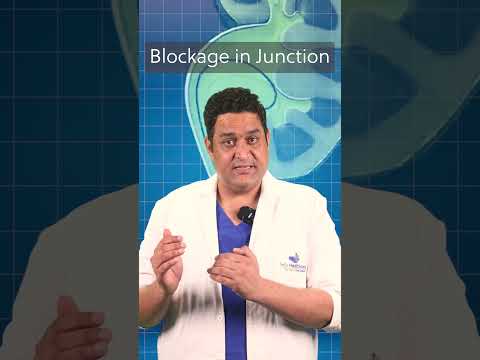
UPJ occurs when there’s a blockage at the junction where the ureter connects to the kidney. Sounds serious, right? Well, it can be, but not always. Sometimes people don’t even realize they have it until symptoms show up.
In this article, we’ll explore what UPJ obstruction looks like—from symptoms to care options. We’ll help you recognize signs that might indicate something’s off with your urinary system.
This information is designed to inform you but remember: it’s no substitute for professional medical advice. Always consult your healthcare provider before making any health decisions related to this condition.
Let’s dive deeper into what this all means for you or someone you care about.
Reclaim Your Quality of Life: Innovative Solutions for UPJ Obstruction
Understanding Ureteropelvic Junction Obstruction
Ureteropelvic junction (UPJ) obstruction is a condition that affects the area where the kidney’s renal pelvis connects to the ureter. The ureter is a tube that carries urine from the kidneys to the bladder. Sometimes, this connection gets blocked, which can cause various problems.
Symptoms You Might Notice
People with UPJ obstruction may experience several symptoms. Common signs include pain in your back or side, especially near your kidneys. You might also notice changes in urination, like needing to go more often or having trouble peeing.
Nausea and vomiting can happen too. Sometimes, a person might even have blood in their urine. It’s important to keep an eye on these symptoms and consult someone for advice if they show up.
How Does It Happen?
The exact cause of UPJ obstruction isn’t always clear. It can be present from birth (congenital), or develop later due to factors like kidney stones, scarring from previous injury or infection, or even sometimes tumors.
The Impact on Quality of Life
If untreated, this condition can lead to kidney damage because urine builds up and puts pressure on it. That stress can reduce kidney function over time. It’s not just about physical symptoms – many people also find that chronic pain affects their mood and daily activities.
Treatment Options Available
When it comes to treatment for UPJ obstruction, there are several options based on severity and causes.
- Watchful waiting: In some cases, if symptoms are mild and not causing major issues, healthcare providers might recommend monitoring rather than immediate action.
- Surgery: Surgical options include procedures like pyeloplasty which involves removing the blockage and reconstructing the connection between the kidney and ureter. This is often done using minimally invasive techniques.
- Stenting: In certain situations, placing a stent (a small tube) may help drain urine until surgery can be performed or as a temporary solution while monitoring.
The Role of Innovative Solutions
Researchers are working hard to find new ways to manage UPJ obstruction more effectively. Innovations in imaging technology help doctors see blockages better than ever before.
Also, advancements in surgical techniques mean faster recovery times with less pain after procedures like pyeloplasty.
Look at it this way: think about how medical tools and methods have changed over time—it’s kind of exciting! Each new development aims at making life easier for those affected by conditions like UPJ obstruction.
A Final Thought
Taking care of your health involves being informed about conditions like UPJ obstruction. If you’re experiencing symptoms or have concerns about your urinary health, reaching out for support is crucial.
Finding care that’s right for you will make all the difference when reclaiming your quality of life.
Remember—understanding your body empowers you!
Understanding the Hidden Reasons Behind Adult Puj Obstruction
Understanding Ureteropelvic Junction Obstruction
Hey, let’s chat about ureteropelvic junction (UPJ) obstruction. It might sound complicated, but it’s a condition that affects the flow of urine from the kidney to the bladder. This blockage usually occurs at the point where the ureter meets the kidney.
What Causes UPJ Obstruction?
The reasons behind UPJ obstruction can vary. Sometimes it’s due to a birth defect, where some people are born with an abnormality in this area. Other times, it could come from scarring or inflammation from previous surgeries or infections.
Kidney stones are another culprit. If they get stuck around that junction, they can cause a blockage, leading to pain and other issues. Basically, anything that interrupts the normal flow of urine can contribute to this problem.
Recognizing Symptoms
So how do you know if UPJ obstruction is happening? Common symptoms include pain in your lower back or side—often described as colicky pain. This is like having strong waves of discomfort that come and go.
You might also notice blood in your urine or experience frequent urination. Some people have nausea or vomiting too, especially during episodes of severe pain.
Diagnosis Methods
Your healthcare provider may use imaging tests like ultrasounds or CT scans to diagnose UPJ obstruction. These tests help visualize what’s going on inside your body without needing any invasive procedures—like taking a peek without opening a door.
Treatment Options
If you’re diagnosed with UPJ obstruction, treatment depends on various factors such as symptom severity and overall health. Sometimes monitoring is all that’s necessary if symptoms are mild and not bothersome.
In more serious cases, surgery may be needed to remove the blockage or repair the connection between the kidney and ureter. This helps restore proper urine flow.
Lifestyle Considerations
Caring for your kidneys goes beyond just treating obstruction issues. Staying hydrated is crucial; drinking enough water helps prevent kidney stones from forming in the first place!
- A healthy diet rich in fruits and vegetables can support kidney function too.
- Avoiding excessive salt and caffeine might also benefit your urinary tract health.
A Word About Myths
The thing is, there are many myths surrounding kidney health and obstructions—like thinking that certain activities cause blockages directly. In reality, most obstructions don’t stem from lifestyle choices but rather anatomical issues or medical conditions.
Your Next Steps
If you suspect you have symptoms of UPJ obstruction or just want more information about how your kidneys work and stay healthy—reaching out for professional advice is always valuable!
Your body has its own way of communicating when something isn’t right; it’s important to listen closely and take action when necessary!
Unraveling the Causes and Solutions for a Common Kidney Condition
Understanding Ureteropelvic Junction Obstruction
Ureteropelvic junction obstruction, or UPJ obstruction, is a condition affecting the kidneys and urinary system. It occurs when there’s a blockage at the junction where the ureter connects to the kidney pelvis. This can prevent urine from draining properly from the kidney to the bladder.
What Causes UPJ Obstruction?
The causes of this condition can vary. Sometimes it results from a birth defect, where the tissue at this junction develops abnormally. In other cases, scar tissue from previous surgeries or injury may be responsible for creating a blockage.
Another cause could be a stone that gets stuck in that area. In adult patients, tumors or infections can also lead to UPJ obstruction. It’s like trying to drain water out of a bucket with a kink in the hose—it’s going to trickle out way slower than normal.
Recognizing Symptoms
People with this condition may experience pain in their side or lower back, as well as nausea and vomiting. Sometimes, they might notice blood in their urine, which can feel alarming.
Kidneys play an important role in filtering waste and balancing fluids; when they aren’t working properly due to these obstructions, it can lead to serious complications over time.
Treatment Options for UPJ Obstruction
Treatment will depend on how severe the obstruction is and how much it’s affecting kidney function. Some people may not need treatment at all if they don’t have significant symptoms.
If intervention is required, there are various surgical options available. One common procedure is called pyeloplasty—this involves removing the obstructed section and reconnecting healthy parts of the ureter and kidney pelvis.
- Laparoscopic surgery: This minimally invasive technique allows for quicker recovery times compared to traditional surgery.
- Endoscopic procedures: These use tiny instruments inserted through small incisions to treat blockages without major surgery.
Coping With UPJ Obstruction
If you’re dealing with this diagnosis—or supporting someone who is—it helps to stay informed about your options. Support groups and chatting with others who’ve been through similar experiences can make a difference too!
A healthy lifestyle also supports urinary health; drinking plenty of fluids helps flush out waste while promoting good kidney function. It’s like keeping your plumbing system clear—if you let things pile up, you’ll run into trouble!
The Importance of Regular Check-Ups
For anyone diagnosed with UPJ obstruction, regular monitoring by healthcare providers is crucial. They might recommend imaging tests like ultrasounds or CT scans to track kidney function over time.
This allows for timely intervention should any complications arise down the line—a proactive approach that often pays off well in health outcomes!
Ureteropelvic junction obstruction (UPJO) is a condition where urine flow from the kidney to the ureter is blocked. This can lead to kidney damage and other complications if not addressed properly. Understanding this condition involves recognizing its symptoms and knowing how to manage it effectively.
The symptoms often begin subtly; some people feel just a mild ache in their flank or back. Others may experience severe pain, especially during physical activity, or notice changes in urination patterns, like increased frequency or urgency. It’s essential for patients and caregivers alike to pay attention to these signs.
Care for UPJO typically involves imaging studies, like ultrasounds or CT scans, to confirm diagnosis. Treatment options vary from conservative management with hydration and pain relief, to surgical interventions when necessary. Surgery can involve procedures like pyeloplasty, which aims to remove the obstruction and restore normal urine flow.
This condition highlights the importance of early detection and individualized care plans. By understanding UPJO better, both healthcare professionals and patients can work together toward effective management strategies that improve long-term outcomes.