The information provided in this article is intended solely for general informational and educational purposes. It does not constitute medical advice, diagnosis or professional treatment, and should not be considered a substitute for consultation with a qualified doctor or other licensed healthcare professional. Any health-related decisions should be made in consultation with accredited medical professionals.
While efforts have been made to ensure the information is accurate and up to date, no guarantees are given—either express or implied—regarding its accuracy, completeness, currency or suitability. Use of this information is at your own discretion.
It is strongly recommended to consult official sources such as the NHS (National Health Service) or other recognised medical institutions before acting on any information contained on this website or article. Under no circumstances should professional medical advice be ignored or delayed due to content read here.
This content is of a general and informational nature only. It is not intended to replace individualised guidance from a healthcare professional or to establish any doctor-patient relationship. The publication of this information does not imply any professional responsibility, guarantee or obligation on the part of the author or this site.
Have you ever wondered just how much power lies within your brain? It controls everything—from your thoughts and feelings to your movements and memories. Incredible, right?
Understanding your brain isn’t just fascinating; it’s essential for your overall health. When we talk about brain health, we’re really talking about well-being in every aspect of life. Conditions like anxiety, depression, or even cognitive decline can be closely linked to how our brains function.
This article dives into the anatomy of the brain, exploring its various parts and roles. You’ll also find practical tips on how to keep it healthy and vibrant. Plus, we’ll go over some common conditions that can affect brain health.
You know, navigating this world of information can be overwhelming. But don’t worry—this content is here to help you make sense of it all. Just remember that while we’re discussing some important topics related to brain health, it’s vital not to skip a chat with a healthcare professional for any specific concerns you might have.
Let’s embark on this journey together—after all, knowledge is power!
Unlocking the Mysteries of Our Mind’s Anatomy and Its Roles
Understanding Your Brain
The brain is an amazing organ, isn’t it? It controls everything we do, from moving our fingers to dreaming at night. But have you ever thought about what it’s made up of? Let’s break down the anatomy of the brain, its functions, and some ways to keep it healthy.
Anatomy of the Brain
First off, the brain is divided into three main parts: the cerebrum, cerebellum, and brainstem. The cerebrum is the largest part and handles things like thinking, learning, and emotions. You know how when you solve a puzzle or remember your favorite song? That’s all happening in the cerebrum.
Then there’s the cerebellum at the back. It’s smaller but super important for balance and coordinating movement. Think about how you ride a bike or throw a ball—thank your cerebellum for that!
Lastly, we have the brainstem connecting to the spinal cord. It takes care of automatic functions like breathing and heart rate. If you’ve ever wondered how you breathe while asleep without thinking about it—yeah, that’s your brainstem working hard.
The Roles of Different Areas
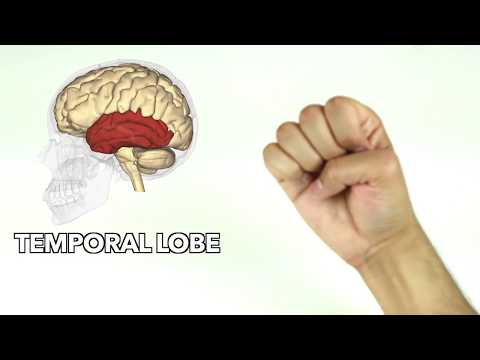
Different areas of your brain work together like a team. The frontal lobe is involved in decision-making; it helps us plan for tomorrow or decide what to eat for lunch today. The temporal lobe helps with processing sounds and forming memories.
Your parietal lobe senses touch and pain while keeping track of where your body parts are located in space. Ever notice how you can still touch your nose with your eyes closed? That’s your parietal lobe at work!
Keeping Your Brain Healthy
You might wonder what can be done to keep our brains healthy over time. Well, regular exercise plays a key role! It boosts blood flow and can even help generate new brain cells—yes! You heard that right.
A balanced diet also matters greatly—not just for your body but for your mind too! Foods rich in omega-3 fatty acids (like fish), antioxidants (found in berries), and whole grains have been linked to better brain health.
Common Conditions Affecting Our Brain
It’s also important to talk about conditions that can affect our brains. Things like Alzheimer’s disease impact memory significantly as we age. Depression can alter our ability to think clearly or make decisions too.
If someone experiences frequent headaches or sudden changes in mood or behavior, those are signs worth getting looked at by professionals who know more about such conditions.
Mental Health Matters
Mental health is just as crucial as physical health because they go hand-in-hand—or more accurately—brain-in-hand! Stress management techniques such as mindfulness practices or simply talking with friends can enhance mental well-being.
It’s interesting how connections play such big roles here!
The Bottom Line
Your brain’s anatomy may be complex but understanding it doesn’t need to be overwhelming—it’s all about connection! By taking care of this incredible organ through lifestyle choices and being aware of mental health needs, we’re setting ourselves up for success down the road.
Unlocking the Mysteries of Mind: Discover the Brain’s Key Roles in Everyday Life
Understanding Your Brain
The brain is like the control center of your body. It’s responsible for everything you do, from moving your arms to thinking about what to have for dinner. Pretty cool, right?
To grasp how this organ works, let’s break it down a bit. The brain has several parts, each with its own function. For example, the cortex is where most of your thinking happens. Think of it as the command center.
Brain Anatomy
Your brain can be divided into different regions: the frontal lobe, parietal lobe, occipital lobe, and temporal lobe. Each part plays a unique role in how we process information.
- Frontal Lobe: This area helps with decision-making and problem-solving.
- Parietal Lobe: It manages sensory information; that’s how you feel heat or cold.
- Occipital Lobe: This part interprets visual signals; it’s why you can recognize faces.
- Temporal Lobe: Here lies your memory and understanding language—pretty vital stuff!
The Brain’s Health
Caring for your brain is super important. Just like you exercise to keep your body fit, your brain needs activities too! Puzzles, reading or even taking up new hobbies can help stimulate it.
You know what else? Diet plays a pivotal role in how well your brain functions. Foods rich in omega-3 fatty acids—like salmon—or antioxidants from berries can support cognitive health.
Mental Conditions
The mind can be affected by various conditions such as anxiety or depression. These are not just “bad moods.” They’re complex issues that arise from chemical imbalances and environmental factors.
If someone experiences these conditions, it’s crucial to recognize that they aren’t alone. Seeking help from professionals is often a good step towards managing symptoms effectively.
A Real-Life Example
This brings me to a friend of mine who struggled with anxiety during college exams. She found strategies like deep breathing and organizing her study schedule helpful in calming her nerves before tests.
This shows how everyday practices help tackle challenges posed by our brains’ reactions under stress!
Cultivating Awareness
The truth is awareness about mental health is growing every day! Conversations around mental well-being make it easier for people to open up about their experiences without feeling judged.
Simplifying Complex Concepts
Beneath all the fancy terms and labels lies an essential truth: understanding our brains empowers us to protect our mental health better long term. You might find that simply talking things out or journaling could improve clarity on issues weighing on your mind!
- Meditation: A practice that promotes relaxation and stress reduction.
- Sufficient Sleep: Never underestimate the power of sleep—it really helps consolidate memories!
- Physical Activity: Exercise boosts mood-regulating chemicals in the brain—like endorphins!
Caring for your mind needs nurturing just like any beloved plant or pet does! So whether it’s eating right or indulging in activities you love, you’re doing wonders for yourself when you prioritize mental wellness.
A Last Thought
If something feels off mentally or emotionally—don’t hesitate to reach out! Keeping those lines open makes all the difference as we navigate this wild journey called life together!
Exploring the Diverse Functions and Fascinating Structures of Our Minds
Understanding Your Brain: Anatomy, Health Tips, and Conditions
Our brain is like the control center of our body. It’s not just about thinking; it manages everything we do. From basic tasks like breathing to complex decisions, the brain is always at work. Let’s take a closer look at its fascinating structure and functions.
The Anatomy of the Brain
The human brain is made up of several parts, each with its unique job. The largest part is the cerebrum, which handles higher functions like thought, memory, and emotion. It has two halves called hemispheres.
Then there’s the cerebellum; it’s smaller but crucial for balance and coordination. Think of it as your body’s personal trainer for movement!
The brainstem connects the brain to the spinal cord. It controls automatic processes like heart rate and breathing—things we don’t consciously think about.
Functions of Our Brain
- Thinking: The brain processes information and helps us make decisions.
- Memory: It stores past experiences which help shape who we are.
- Emotion: Our feelings come from different areas in the brain that communicate constantly.
- Senses: Everything we see, hear, touch, taste or smell is processed by specific regions in our brains.
Caring for Your Brain
You might wonder how to keep your brain healthy? Here are some helpful habits: exercise regularly—yes even a walk counts! Eating a balanced diet rich in fruits and vegetables supports brain health too.
Mental exercises are important as well! Puzzles or learning new skills can help stimulate your mind. And don’t forget sleep; it’s when your brain gets time to repair itself!
Common Conditions Affecting The Brain
Sometimes our brains can face challenges. Conditions like anxiety and depression are emotional disorders affecting millions. They can alter how one thinks or feels about daily life.
Dementia is another serious condition that affects memory and cognitive function often seen in older adults.
The Connection Between Mind and Body
If you’re feeling stressed or overwhelmed, remember that stress affects not just emotions but also your physical health! Meditation or mindfulness practices have shown promise in reducing stress levels significantly over time.
A Final Thought
Your brain is an incredible organ that deserves attention and care. Understanding its structure might seem complex at first but taking small steps toward maintaining its health can have big benefits!
Understanding your brain is essential for maintaining overall health and well-being. The brain is not just an organ; it’s the control center for our thoughts, emotions, and actions. When we grasp its anatomy, we see how various parts like the cerebrum, cerebellum, and brainstem work together.
The cerebrum handles thinking and movement. It’s divided into two hemispheres that control different functions. For example, the left side is often linked to logic while the right deals with creativity. The cerebellum assists with coordination and balance too.
Now let’s talk health tips! Taking care of your brain means engaging in regular physical activity, eating a balanced diet rich in omega-3 fatty acids—think fish—and staying socially active. Did you know that learning new things can actually boost your brain health? It keeps those neurons firing!
However, it’s crucial to be aware of conditions that can compromise brain health like Alzheimer’s disease, strokes or even anxiety disorders. Being informed allows you to recognize signs early on and seek help when necessary.
In essence, understanding your brain equips you not only to keep it healthy but also enhances daily functioning and emotional resilience. You know? Knowledge really is power when it comes to our mind!