
The information provided in this article is intended solely for general informational and educational purposes. It does not constitute medical advice, diagnosis or professional treatment, and should not be considered a substitute for consultation with a qualified doctor or other licensed healthcare professional. Any health-related decisions should be made in consultation with accredited medical professionals.
While efforts have been made to ensure the information is accurate and up to date, no guarantees are given—either express or implied—regarding its accuracy, completeness, currency or suitability. Use of this information is at your own discretion.
It is strongly recommended to consult official sources such as the NHS (National Health Service) or other recognised medical institutions before acting on any information contained on this website or article. Under no circumstances should professional medical advice be ignored or delayed due to content read here.
This content is of a general and informational nature only. It is not intended to replace individualised guidance from a healthcare professional or to establish any doctor-patient relationship. The publication of this information does not imply any professional responsibility, guarantee or obligation on the part of the author or this site.
Understanding Your Itchy Scalp at Night: Causes and Solutions
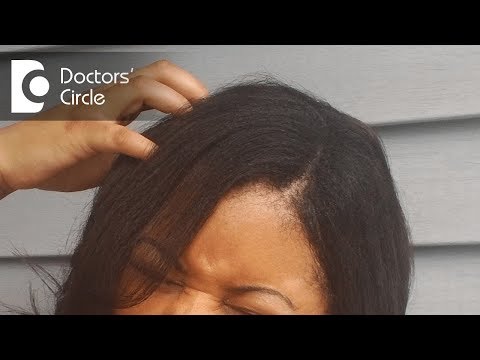
Ever found yourself tossing and turning at night, frustrated by that annoying itch on your scalp? You’re not alone. Scalp itch can be bothersome, especially when you’re trying to settle down for some sleep. And honestly, it’s more common than most people think!
Many factors can contribute to this condition. From dry skin and dandruff to potential allergies or even stress, the reasons behind an itchy scalp can vary widely. Sometimes it just feels like a nagging little nuisance; other times, it can impact your quality of life.
This article will help you understand the causes of nighttime scalp itchiness and present some practical solutions to ease discomfort. It’s a chance for you to learn about your symptoms and how they relate to your overall health.
Remember though, this content doesn’t replace professional medical advice. Always consult a healthcare provider if you’re unsure about health decisions or if symptoms persist. Let’s dive in!
Unlocking the Secrets Behind Your Nighttime Itchiness
Understanding Nighttime Itchiness
Nobody likes to toss and turn all night because of an itchy scalp. It can be really annyoing, right? Understanding why it happens is the first step toward finding relief.
Common Causes of Nighttime Itching
- Dandruff: This is a very common condition caused by dry skin or a yeast-like fungus. Dandruff can cause flakes and itchiness, often worse at night.
- Allergic Reactions: Sometimes, products like shampoos, conditioners, or even hair dyes can irritate your scalp. Allergies might not show up right away but can cause you to scratch when you’re trying to sleep.
- Dry Skin: Just like your skin elsewhere, your scalp can get dry too. When it lacks moisture, it becomes itchy—especially at night when it’s more noticeable as everything is quiet.
- Eczema: This skin condition can affect the scalp and lead to redness, dryness, and itchiness. It’s like having sensitive skin that reacts strongly to certain triggers.
- Lice: While this isn’t super common among adults, lice could be the culprit if you notice serious itchiness that doesn’t go away. They tend to be more active at night!
The Role of Stress
You know how sometimes stress just makes everything worse? Well, the same goes for itchiness! Stress can increase inflammation in your body leading to conditions like eczema flaring up or making your already dry scalp even worse.
Tips for Relief
- Mild Shampoo: Using a gentle shampoo often helps reduce irritation. Something without harsh chemicals might ease that nighttime itch!
- Hydration: Keeping your scalp moisturized is key. There are many options from oils to leave-in conditioners that help keep the moisture locked in.
- Avoid Irritants: Take a look at what products you’re using on your hair and try switching them out for hypoallergenic ones if necessary.
- Cotton Pillowcases: Sometimes switching to breathable materials helps with comfort during sleep; cotton pillowcases allow more air circulation than synthetic ones.
When To Seek Help
If the itchiness persists despite trying different solutions or if you notice severe redness or swelling on your scalp, consider reaching out for professional advice. Sometimes self-care at home isn’t enough!
You deserve a good night’s sleep without annoying distractions! By understanding what causes nighttime itchiness and considering some simple changes, you might find relief soon enough. Keep experimenting until something works best for you—a little patience goes a long way!
Discover Simple Remedies for a Peaceful Night’s Sleep
Understanding Your Itchy Scalp at Night: Causes and Solutions
Waking up with an itchy scalp can be really annoying, right? You might be wondering why this happens, especially at night. Let’s break it down to some simple parts.
Common Causes of an Itchy Scalp
First off, dry skin is a frequent culprit. Just like your skin can get dry in winter, so can your scalp. This dryness can cause irritation and itching.
Another common reason could be dandruff. This isn’t just a nuisance; it’s actually a condition where the scalp sheds dead skin cells too quickly. Sometimes, it’s because of not washing your hair often enough or using harsh shampoos.
You might also think about allergies or sensitivities. Certain hair products like dyes or styling creams may irritate your scalp. Imagine rubbing your skin with something that doesn’t agree with it—itchy!
A Bit About Skin Conditions
Conditions like psoriasis or eczema may impact your scalp as well. These are skin disorders that can flare up due to various triggers, like stress or certain foods.
If you’re dealing with this regularly, consider keeping a journal of what you eat or use on your hair. Sometimes patterns emerge that can give clues to what’s causing the itchiness.
What Can You Do?
- Stay Hydrated: Drinking enough water helps keep your body and scalp hydrated.
- Choose Wisely: Opt for gentle shampoos without harsh chemicals; they’re kinder to irritable skin.
- Scalp Care: Massaging the scalp gently while shampooing could improve blood flow and spread natural oils.
- Pillow Talk: Change pillowcases regularly as sweat and oils from hair can accumulate on fabric, worsening itchiness at night.
A Simple Remedy Before Bed
You might want to try coconut oil as a natural remedy. Apply a small amount on the scalp before bed; it’s moisturizing and may help soothe irritation overnight.
If conditions persist or worsen, talking to someone who knows about these matters could give you better insight and tailored advice—hey, everyone deserves comfortable sleep!
The Bottom Line
A good night’s sleep is important for health! If your itchy scalp keeps bothering you through the night, addressing it early makes sense. Finding relief often involves simple changes in routine rather than complex solutions so remember: you’re not alone in this!
Soothe Your Scalp and Sleep Soundly with Simple Solutions
Having an itchy scalp at night can be really frustrating. It often interrupts your sleep and leaves you feeling uncomfortable. So, let’s unpack some of the common causes and simple solutions to help make your nights more peaceful.
Common Causes of an Itchy Scalp
First off, dry skin is a major player here. Just like your skin can get dry in winter, your scalp can too. When it lacks moisture, it can start itching.
Dandruff is another common issue. You know those flakes that sometimes show up on your shoulders? They’re usually caused by a yeast-like fungus or simply dead skin cells piling up.
If you have sensitive skin, certain hair products might be irritating you. Things like shampoos or conditioners full of harsh chemicals can lead to redness and itchiness.
Lastly, allergies are also culprits. Sometimes our bodies react to pet dander or pollen that ends up on our scalps from day to day activities.
Simple Solutions for Soothe Your Scalp
Moisturizing is key! Look for oils that are gentle but effective, like coconut oil or jojoba oil—just warm a bit in your hands and massage it into your scalp before bed.
- Aloe vera gel is another great option; it’s soothing and helps hydrate dry areas.
- Regular washing with a gentle shampoo can help keep the buildup down—it clears away dirt without stripping all the natural oils away.
- Tried using anti-dandruff shampoos? These often contain ingredients that tackle both flakiness and dryness; just follow package instructions!
Pillowcases Matter Too
You might not think about them often, but pillowcases play a role too! Make sure to wash them regularly—think weekly—to remove dust and allergens that could irritate your scalp while you sleep.
The Role of Stress
An itchy scalp can also be linked to stress. Sometimes when we’re anxious or overwhelmed, our bodies react in unexpected ways. Finding methods to relax before bedtime—like reading or practicing deep breathing—can surprisingly make a difference.
A Word on Professional Help
If you’ve tried several solutions with no luck, maybe it’s time for some professional advice? A dermatologist could help identify any underlying issues that might need tailored treatments.
Your Journey Towards Comfort
The thing is, finding what works best for you may take some time—so don’t get discouraged! Listen to what your body is telling you about its needs as you try these strategies out over several weeks. Sleep matters! And caring for your scalp isn’t just about comfort; it’s essential for overall health too!
Understanding Your Itchy Scalp at Night: Causes and Solutions
Experiencing an itchy scalp at night can be quite bothersome. Many folks find it hard to sleep when their head feels like it’s on fire. So, what’s going on? Well, the itchiness can stem from several factors.
First off, dry skin is a common culprit. If you think about it, your scalp is just like the skin on the rest of your body. When it lacks moisture, it can crack and become itchy. This might happen more often in winter when indoor heating zaps humidity from the air.
Another reason could be dandruff or seborrheic dermatitis. These conditions are caused by an overgrowth of yeast that can irritate your scalp and lead to flakes. Imagine your scalp trying to fight off something annoying—this battle results in itchiness.
Then there are allergies to hair products or even detergent used for pillowcases and sheets. Sometimes, a new shampoo or conditioner could trigger an itchy reaction because of its ingredients.
And let’s not forget about stress — it plays a role too! You know how sometimes you scratch when you’re anxious? That physical response can increase sensations of itchiness as well.
Solutions
- Mild shampoos: Consider using gentle, hydrating shampoos that won’t irritate your scalp further.
- Aloe vera: This natural remedy offers soothing relief from dryness and irritation.
- Moisturizers: Scalp oils or specialized moisturizers can help maintain hydration levels.
- Avoid allergens: If you suspect a product is causing issues, try switching brands or eliminating possible irritants one at a time.
- Pillowcase care: Wash pillowcases regularly with fragrance-free detergent to reduce reactions while sleeping.
If these home remedies don’t work, seeing a healthcare professional might be wise. They can provide guidance tailored just for you! An itchy scalp doesn’t have to send you into sleepless nights; understanding its causes opens up paths to relief.


