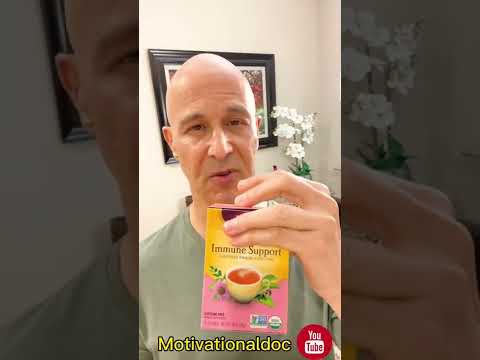
Echinacea is a vibrant purple flower that has intrigued many for centuries. Often associated with boosting the immune system, this plant is more than just a pretty face in a garden. It’s like a well-kept secret from nature, packed with potential benefits that may help you stay healthy. Imagine having a natural ally in your quest for wellness.
However, while the allure of Echinacea is strong, it’s crucial to approach it with caution. There are many claims floating around about its effectiveness and uses. Not everyone may experience the same benefits, and what works for one person might not work for another.
Before diving headfirst into using Echinacea supplements or teas, take time to explore various perspectives. Consult different healthcare professionals and gather information from reliable sources. This holistic approach ensures you make informed decisions that are right for your health journey. Remember, knowledge is power!
The information provided in this article is intended solely for general informational and educational purposes. It does not constitute medical advice, diagnosis or professional treatment, and should not be considered a substitute for consultation with a qualified doctor or other licensed healthcare professional. Any health-related decisions should be made in consultation with accredited medical professionals.
While efforts have been made to ensure the information is accurate and up to date, no guarantees are given—either express or implied—regarding its accuracy, completeness, currency or suitability. Use of this information is at your own discretion.
It is strongly recommended to consult official sources such as the NHS (National Health Service) or other recognised medical institutions before acting on any information contained on this website or article. Under no circumstances should professional medical advice be ignored or delayed due to content read here.
This content is of a general and informational nature only. It is not intended to replace individualised guidance from a healthcare professional or to establish any doctor-patient relationship. The publication of this information does not imply any professional responsibility, guarantee or obligation on the part of the author or this site.
Discover how this popular herb can boost your health and well-being
Echinacea is a popular herb often linked with health benefits. It’s primarily known for its potential to support the immune system. Many people turn to it during cold and flu season, hoping for a little extra help.
This herb comes from the echinacea plant, which is native to North America. Its vibrant purple flowers are beautiful, but it’s the roots and leaves that are used for their health benefits.
Research suggests that echinacea might help increase the production of white blood cells. These cells are our body’s defense team against infections. Imagine them as soldiers protecting your body’s fortress.
Another aspect of echinacea is its potential anti-inflammatory properties. Inflammation can be part of many health issues, including allergies and chronic conditions. By helping to manage inflammation, echinacea may contribute to overall well-being.
Some studies indicate that taking echinacea could reduce the duration of colds. However, results are mixed, and not everyone experiences the same effects. Think of it as having a tool in your toolbox: it might help but isn’t always necessary or effective for every situation.
There are various forms of echinacea available today – teas, capsules, tinctures, and extracts. Each form has different strengths and uses. Choosing one depends on what feels best for you.
While many people use echinacea without issues, some may experience side effects like stomach upset or allergic reactions. Always consider talking with someone who knows about herbs or healthcare if you’re unsure how it might affect you.
It’s also important to remember that while herbs like echinacea can play a role in supporting health, they should complement a balanced diet and healthy lifestyle—not replace them.
In conclusion, exploring natural remedies like echinacea can be fascinating and beneficial. Just approach with curiosity and caution! Always prioritize informed decisions when considering any new health supplement or herb.
Exploring the Daily Use of Echinacea: Benefits, Risks, and What You Should Know
Echinacea is a popular herbal supplement often used to support health. Many people take it, especially during cold and flu season. It comes from a group of flowering plants in the daisy family.
One of the main reasons people explore echinacea is its potential to boost the immune system. Think of it like adding extra soldiers to your army when facing a common enemy: viruses.
Some studies suggest that echinacea may help reduce the duration of colds or lessen their severity. However, results vary widely among individuals. Not everyone experiences the same benefits.
It’s important to understand that *not* all echinacea products are created equal. Different forms, like capsules, teas, or tinctures, may have varying levels of active ingredients. Always check labels and choose reputable brands.
While many use echinacea without side effects, some may experience mild reactions. These can include upset stomach or allergic reactions, especially in those sensitive to plants in the daisy family.
Long-term safety is less clear. Most research focuses on short-term use during illness rather than daily consumption over months or years.
If you’re considering daily use of echinacea, think about these points:
Always remember that while herbs can support health, they shouldn’t replace medical treatments prescribed by healthcare professionals.
In summary, exploring echinacea as part of your routine can be intriguing but requires thoughtful consideration and research. Being informed helps you make wise decisions for your health journey.
Unlocking the Secrets to Maximizing Echinacea’s Benefits for Your Health
Echinacea is a plant often used in herbal remedies. It’s popular for its potential to support the immune system. Many people turn to it, especially during cold and flu season.
The plant comes from a group of flowering plants in the daisy family. It has several species, but Echinacea purpurea is the most common one used in supplements. Think of it as a friendly helper that can give your body’s defenses a little boost.
Studies show that echinacea may reduce the duration of colds, but results can vary. Some research indicates it helps prevent illness if taken at the first signs of infection. However, not everyone feels its effects in the same way.
When considering echinacea, remember timing matters. Taking it early when you feel symptoms is key. It’s like catching a wave at just the right moment – you want to ride it while it’s fresh.
There are different forms available such as capsules, teas, or tinctures. Each provides different concentrations of active ingredients. If you’re unsure which to choose, consider what works best for you and your lifestyle.
Be aware that not all products are created equal. Look for brands that are transparent about their sourcing and have good manufacturing practices. This can help ensure you’re getting quality echinacea without unwanted additives.
It’s also important to know how much to take. Generally recommended doses might be around 300–500 mg of extract daily for adults, but checking specific product labels is crucial since formulations differ widely.
Some people may experience side effects from echinacea like upset stomach or allergies, especially if they’re sensitive to plants in the daisy family. If any adverse reactions occur, it’s wise to stop using it and consult with someone knowledgeable.
Also, understand that while echinacea can be helpful, it’s not a substitute for conventional healthcare measures like vaccinations or doctor visits when needed.
If you’re currently taking other medications or have health conditions, talking with someone who understands herbal supplements is advisable before starting echinacea.
Ultimately, using echinacea wisely means being informed. Researching both positive and negative aspects helps you make better choices about your health and well-being.
By integrating natural products like echinacea responsibly into your routine alongside healthy life choices—like eating well and staying active—you may enhance your body’s resilience against illness overall.
Echinacea is often celebrated for its potential health benefits, especially in supporting the immune system. Many people reach for this herbal remedy at the first sign of a cold or flu. Its popularity raises questions about its effectiveness and how it works.
Research suggests that echinacea may help reduce the severity and duration of respiratory infections. This is likely due to its bioactive compounds, which may enhance immune function. Think of it as giving your body’s defenses a boost during tough times.
However, it’s important to approach echinacea with informed caution. Not all studies agree on its effectiveness, and results can vary widely depending on the specific preparation used. Like any supplement, quality matters; the source and dosage are crucial.
For those considering echinacea, it should complement a healthy lifestyle rather than replace traditional medical care. Staying well-hydrated, eating nutritious foods, and getting adequate rest are foundational to good health.
In summary, while echinacea can be a valuable ally in your wellness toolkit, understanding its limitations is key. Making informed choices allows for responsible health decisions that support overall well-being without falling into the trap of quick fixes or myths surrounding herbal remedies.