
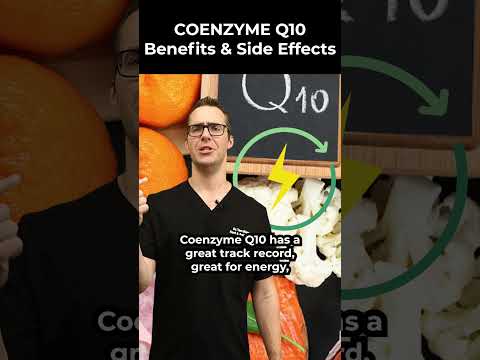
CoQ10, short for Coenzyme Q10, is a tiny but mighty nutrient found in every cell of your body. Think of it as the spark plug that keeps your body’s engine running smoothly. It plays a crucial role in energy production and acts as a powerful antioxidant, helping to protect our cells from damage.
As we age, our natural levels of CoQ10 can decline. This has led many people to explore its potential benefits, such as improved heart health and increased energy levels. But like any supplement, it’s important to understand both its perks and possible downsides.
In this article, we’ll dive into the fascinating world of CoQ10: what it is, how it works, the benefits it may offer, any side effects you should watch for, and where you can find it in food and supplements. You’ll walk away with a better understanding of how this small coenzyme might fit into your wellness journey.
However, before jumping into supplementation or drastic changes in your diet, it’s essential to gather information from multiple sources. Speak with healthcare professionals like doctors or nutritionists who understand your unique health needs. The world of supplements is vast; what works for one person may not work for another. Stay curious but also cautious—your health deserves well-informed decisions!
The information provided in this article is intended solely for general informational and educational purposes. It does not constitute medical advice, diagnosis or professional treatment, and should not be considered a substitute for consultation with a qualified doctor or other licensed healthcare professional. Any health-related decisions should be made in consultation with accredited medical professionals.
While efforts have been made to ensure the information is accurate and up to date, no guarantees are given—either express or implied—regarding its accuracy, completeness, currency or suitability. Use of this information is at your own discretion.
It is strongly recommended to consult official sources such as the NHS (National Health Service) or other recognised medical institutions before acting on any information contained on this website or article. Under no circumstances should professional medical advice be ignored or delayed due to content read here.
This content is of a general and informational nature only. It is not intended to replace individualised guidance from a healthcare professional or to establish any doctor-patient relationship. The publication of this information does not imply any professional responsibility, guarantee or obligation on the part of the author or this site.
Uncovering the Hidden Impacts of CoQ10 on Your Health
Coenzyme Q10, often shortened to CoQ10, is a substance our bodies produce naturally. It plays a crucial role in generating energy within our cells. Think of it as fuel for your car; without it, the engine just can’t run smoothly.
As we age, the levels of CoQ10 in our body decrease. This drop can affect various aspects of health. Some studies suggest that supplementing with CoQ10 may help improve energy levels and reduce fatigue.
CoQ10 is known for its potential in supporting heart health. It may assist with blood vessel function and help maintain healthy blood pressure levels. Imagine your heart as a pump; CoQ10 helps ensure it’s working efficiently.
Here are some potential benefits of CoQ10:
Antioxidants are like shields that protect your cells from damage caused by free radicals. By neutralizing them, CoQ10 may play a role in slowing down some aging processes at a cellular level.
However, like any supplement, CoQ10 may have side effects for some individuals. Commonly reported ones include stomach upset or nausea. It’s always wise to pay attention to how your body reacts when trying something new.
Notably, certain medications might interact with CoQ10. For example, statins used for lowering cholesterol can reduce natural CoQ10 levels in the body. If you’re on medication and considering supplements, it’s essential to talk with someone knowledgeable about your unique situation.
While you can find CoQ10 in supplement form, it’s also present in various foods like fatty fish (like salmon), nuts (like peanuts), and whole grains (like oats). Including these foods might help boost your intake naturally.
Before jumping into supplements or making changes to your diet, it’s vital to research and ask questions about what’s right for you specifically. Understanding how substances like CoQ10 work allows you to make informed choices about your health without relying solely on trends or fads.
Overall, while there are some promising aspects to consider regarding CoQ10’s impact on health, more research is needed to fully understand its effects and effectiveness across different populations. Always remember that what works for one person might not be suitable for another!
Discover Delicious Sources of CoQ10 for a Healthier You
Coenzyme Q10, often called CoQ10, is a substance that’s made naturally in our bodies. It plays a key role in energy production and acts as an antioxidant, which helps protect our cells from damage.
As we age or during times of stress, our body’s levels of CoQ10 can decrease. Some folks look for ways to boost these levels through diet or supplements. But let’s focus on delicious food sources that can help.
Here are some tasty options to consider:
Remember that while food sources are helpful, some people might consider supplements if their intake from food is low. It’s important to chat with someone knowledgeable about this.
Enjoying a diverse diet rich in these foods not only helps with CoQ10 levels but also promotes overall health. Balancing nutrients is the foundation of well-being.
Always think critically about nutrition claims you hear. Not everything marketed as a “superfood” lives up to the hype!
In summary, nourishing your body with foods rich in CoQ10 can be both delightful and beneficial for your energy levels and general health. Remember, every little bit counts!
Unlocking the Power of CoQ10: Discover the Best Foods for Boosting Your Levels
Coenzyme Q10, or CoQ10, is a substance our bodies naturally produce. It plays a crucial role in energy production in our cells. Think of it as the fuel that keeps our engines running smoothly.
As we age or due to certain health conditions, the levels of CoQ10 in our bodies can decrease. Low levels might affect energy and overall well-being.
Benefits of CoQ10 are often discussed. It’s thought to support heart health, enhance exercise performance, and even act as an antioxidant. Antioxidants help protect our cells from damage caused by harmful molecules called free radicals.
Now, let’s explore some foods rich in CoQ10. Including these in your diet might help boost your levels:
Now, it’s important to remember that while you can get CoQ10 from food, supplements are also available. Some people consider them when dietary sources aren’t enough.
However, before starting any supplements, discussing with someone knowledgeable is wise. They can guide you based on personal health needs.
A word on side effects: Most people tolerate CoQ10 well. However, some may experience mild upset stomach or headaches.
In summary, including foods rich in CoQ10 can be part of a balanced diet aimed at maintaining energy levels and overall health. Just remember to keep a critical eye on claims about health benefits, and always prioritize a varied diet for the best nutrition possible.
CoQ10, or coenzyme Q10, is a compound that’s naturally produced by our bodies and plays a crucial role in energy production. It acts like a battery, powering our cells by helping them convert food into energy.
Benefits of CoQ10 are numerous. It’s known for its antioxidant properties, which help protect cells from damage. Some studies suggest it may improve heart health by enhancing blood vessel function and reducing high blood pressure. Additionally, CoQ10 may offer support for muscle function and even boost athletic performance due to its role in energy metabolism.
However, it’s essential to consider potential side effects. For most people, CoQ10 is safe when taken at recommended doses. Side effects can include upset stomach, loss of appetite, or headaches. It’s also important to note that CoQ10 can interact with certain medications, such as blood thinners.
As for sources, we can find CoQ10 in small amounts in foods like fatty fish (like salmon), organ meats (like liver), whole grains, and nuts. However, dietary intake may not be sufficient for everyone. Some individuals turn to supplements when dietary sources don’t meet their needs.
In conclusion, while incorporating CoQ10 into your health routine might provide benefits—especially for heart health—it’s crucial to approach it with an informed mindset. Consulting with a healthcare provider before starting any supplementation ensures you make responsible decisions based on your unique health circumstances. Always prioritize a balanced diet rich in nutrients over solely relying on supplements for optimal health.


