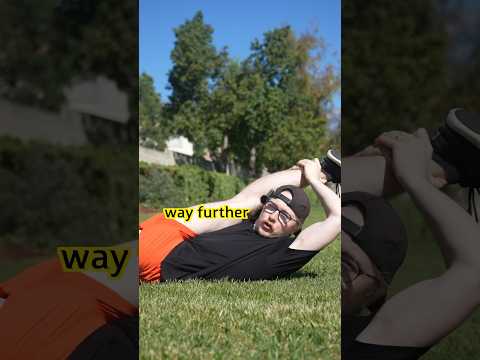
Running is a fantastic way to stay fit and connect with nature, but it can also take a toll on our muscles, especially the quadriceps. These powerful thigh muscles are crucial for running, helping with propulsion and stability. However, if they’re tight or overworked, they can lead to discomfort or injury. That’s where stretching comes in!
Unlocking flexibility in your quads can enhance your running performance and make your runs more enjoyable. Think of stretching as oiling a squeaky hinge; it allows for smoother movement. In this article, we’ll explore three essential quad stretches specifically designed for runners. By incorporating these into your routine, you’re not just protecting your muscles—you’re optimizing your performance.
Before diving into these stretches, it’s important to remember that everyone’s body is different. What works wonders for one person might not suit another. Always listen to your body. If a stretch doesn’t feel right or causes pain, stop immediately.
Warning: It’s crucial to educate yourself through various specialists and credible sources when it comes to health practices like stretching. Not all advice will fit everyone equally, so exploring different perspectives is key to finding what works best for you and ensuring safe practices in your fitness journey. Your health is worth the effort!
The information provided in this article is intended solely for general informational and educational purposes. It does not constitute medical advice, diagnosis or professional treatment, and should not be considered a substitute for consultation with a qualified doctor or other licensed healthcare professional. Any health-related decisions should be made in consultation with accredited medical professionals.
While efforts have been made to ensure the information is accurate and up to date, no guarantees are given—either express or implied—regarding its accuracy, completeness, currency or suitability. Use of this information is at your own discretion.
It is strongly recommended to consult official sources such as the NHS (National Health Service) or other recognised medical institutions before acting on any information contained on this website or article. Under no circumstances should professional medical advice be ignored or delayed due to content read here.
This content is of a general and informational nature only. It is not intended to replace individualised guidance from a healthcare professional or to establish any doctor-patient relationship. The publication of this information does not imply any professional responsibility, guarantee or obligation on the part of the author or this site.
Simple Techniques to Release Tension and Boost Mobility in Your Legs
Feeling tension in your legs? You’re not alone. Many people hold stress in their muscles, leading to stiffness and discomfort. Simple techniques can help release that tension and improve your mobility.
First, let’s talk about stretching. Stretching helps lengthen muscles, relieving tightness. Think of your muscles like rubber bands; if they’re too tight, they won’t stretch well.
Here are some effective techniques:
Now let’s move on to breathing exercises. Deep breathing can reduce stress and tension in the body. Picture blowing up a balloon — as you inhale, imagine filling your body with fresh air and calmness.
Another great technique is gentle movement:
Remember to listen to your body. If something doesn’t feel right, it’s okay to back off or modify what you’re doing.
It’s also important to stay hydrated! Water plays a key role in muscle function and recovery.
Incorporating these techniques into your routine can help keep those legs feeling relaxed and mobile. With just a little effort each day, you might notice improvements over time.
Finally, always consider consulting with someone knowledgeable before starting any new exercise program or if you have concerns about pain or mobility issues. It’s about feeling good today and tomorrow!
Unlock Greater Mobility and Comfort in Your Workouts
Unlocking greater mobility and comfort during workouts can make a huge difference in your overall fitness experience. One essential element of this is flexibility, which is often overlooked.
Flexibility is like oiling a rusty hinge. The more you stretch and work on your flexibility, the smoother your workouts become. Comfortable movement not only enhances performance but also reduces risk of injury.
Runners, in particular, can benefit from focusing on the quadriceps—the large muscles at the front of your thighs. Tight quads can lead to discomfort in the knees and hips over time. Incorporating quad stretches into your routine is key.
Here are three must-do quad stretches for runners:
When performing these stretches, keep breathing deeply and move gently into each position to avoid strain. Flexibility takes time; consistency is more important than intensity.
Remember that everyone’s body responds differently to stretching routines. Pay attention to how you feel during each stretch.
Combining these stretches with regular strengthening exercises will help create well-rounded fitness habits. Focus not just on endurance but also on building strength without sacrificing flexibility.
Embrace this holistic approach for improved mobility over time! It’s all about feeling good while moving better—enhancing enjoyment in every workout session without pushing too hard or causing damage.
Always listen to what feels right for your own body and adjust as needed—there’s no one-size-fits-all solution here!
Unlocking Your Movement Potential: The Key Role of Quad Flexibility
When we think of flexibility, we often focus on the big muscle groups, like the hamstrings or calves. However, quad flexibility is equally important, especially for runners. The quadriceps are the muscles at the front of your thigh. They help you run, jump, and even walk.
Tight quads can limit your range of motion. Imagine trying to swing a golf club with a stiff arm; it’s not very effective! Similarly, if your quads are tight, they can affect your running form and overall performance.
Poor quad flexibility can also lead to injuries. When muscles are tight, they place stress on joints. This can result in discomfort or pain during physical activities. Just like a rubber band that snaps when pulled too tightly, your muscles need some give.
Here are some simple ways to keep your quads flexible:
Incorporating these into your routine can enhance mobility. Think of it as tuning an instrument; it needs regular adjustments to sound its best!
Also consider how shoes and running surfaces impact quad strain. Running in supportive shoes can minimize stress on all leg muscles, including quads.
Remember that everyone’s body is different. What works for one person may not work for another. Always listen to what your body is telling you and make adjustments as needed.
Staying aware of quad flexibility will not only improve performance but also make running more enjoyable. So take some time to stretch those quads; it may unlock potential you didn’t know was there!
In “Unlocking Flexibility: 3 Must-Do Quad Stretches for Runners,” the focus is on the importance of flexibility and proper muscle care for runners. It’s essential to understand that stretching is not just a pre-run activity; it plays a vital role in overall performance and injury prevention.
Flexibility, particularly in the quadriceps, can enhance stride length and efficiency. Just as oil keeps an engine running smoothly, maintaining flexible muscles helps prevent tightness and soreness after long runs. The article highlights three specific stretches that target this area: the standing quad stretch, the kneeling hip flexor stretch, and the seated quad stretch.
Each stretch serves a unique purpose. The standing quad stretch helps improve balance while stretching both quads simultaneously. The kneeling hip flexor stretch opens up the hips, which is crucial for a full range of motion during running. Lastly, the seated quad stretch allows a deep release of tension while promoting relaxation.
Incorporating these stretches into a regular routine not only aids recovery but also enhances overall performance. Runners should strive to listen to their bodies and adjust their stretching habits based on personal needs. Remembering this can lead to more enjoyable runs and fewer injuries in the long run.
Ultimately, flexibility isn’t just about avoiding discomfort; it’s about empowering runners to reach their goals safely and effectively. By making these stretches part of their regimen, runners take proactive steps toward optimal health and performance.