The information provided in this article is intended solely for general informational and educational purposes. It does not constitute medical advice, diagnosis or professional treatment, and should not be considered a substitute for consultation with a qualified doctor or other licensed healthcare professional. Any health-related decisions should be made in consultation with accredited medical professionals.
While efforts have been made to ensure the information is accurate and up to date, no guarantees are given—either express or implied—regarding its accuracy, completeness, currency or suitability. Use of this information is at your own discretion.
It is strongly recommended to consult official sources such as the NHS (National Health Service) or other recognised medical institutions before acting on any information contained on this website or article. Under no circumstances should professional medical advice be ignored or delayed due to content read here.
This content is of a general and informational nature only. It is not intended to replace individualised guidance from a healthcare professional or to establish any doctor-patient relationship. The publication of this information does not imply any professional responsibility, guarantee or obligation on the part of the author or this site.
Have you ever thought about what goes into your favorite salsa? It might just be a mix of tomatoes and onions, but add cilantro, and suddenly, it’s a whole new flavor experience. This simple herb isn’t just about taste—cilantro is packed with benefits that could enhance your overall well-being.
Seriously, did you know that cilantro has been used for centuries in various cultures not only for cooking but also for its potential health perks? It’s like a little green superhero hiding in your fridge! From freshening breath to potentially lowering blood sugar levels, this herb packs a lot more than meets the eye.
In this article, we’ll dive into cilantro’s impressive health benefits. We’ll explore how it can support digestion, act as an anti-inflammatory agent, and even help detoxify heavy metals from the body. But keep in mind—this isn’t medical advice. Health decisions shouldn’t be made solely based on what you read here; always chat with your healthcare provider before making any changes.
So let’s unravel the wonders of cilantro together and see how this everyday herb can potentially contribute to better health!
Unlock the Secrets of Cilantro for a Healthier You
Understanding Cilantro: A Flavorful Herb with Potential Benefits
Cilantro, also known as coriander, is a popular herb in many cuisines. It’s often used to add flavor to dishes, but it might also offer some health benefits. Let’s dive into what makes this herb special.
Nutritional Profile
First off, cilantro is low in calories but packed with vitamins and minerals. It contains Vitamin K, which is important for blood clotting and bone health. It also has small amounts of vitamins A and C. These vitamins are crucial for immune function and skin health.
Antioxidant Properties
You know how antioxidants fight free radicals in our body? Well, cilantro has these as well. Free radicals can cause damage to cells over time. By consuming antioxidants, you can support your body’s defense against oxidative stress.
Digestive Health
Cilantro may help with digestion too. Some studies suggest that it can be beneficial for reducing gas and bloating. Think of it like a little helper for your tummy after a heavy meal.
Potential Anti-Inflammatory Effects
There are some indications that cilantro might have anti-inflammatory properties. Chronic inflammation is linked to many conditions like heart disease or arthritis. While sipping on cilantro tea isn’t a replacement for treatment, adding it to your diet might be a step towards better overall health.
Heavy Metal Detoxification?
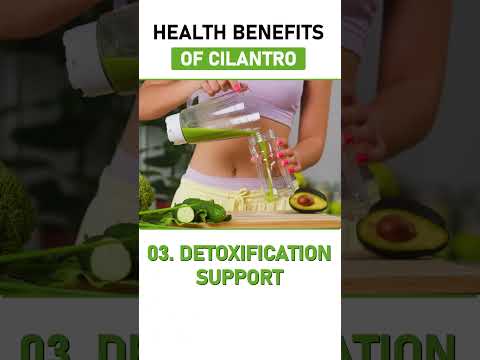
This one’s fascinating! Some small studies suggest that cilantro could assist in removing heavy metals from the body like lead or mercury. Researchers think it might bind to these metals and help eliminate them through urine.
A Few Words on Usage
If you’re thinking about incorporating more cilantro into your meals, that’s great! You can chop it up fresh in salads, add it to salsas or even blend it into smoothies for an herbal twist. Just remember that some people dislike its taste—it’s all about personal preference!
Considerations
It’s worth noting that while adding herbs like cilantro can play a role in healthy eating habits, they should complement an already balanced diet—not replace other core nutrients or treatments you might need.
A Final Thought
Cilantro is tasty and nutritious! If you enjoy the flavor, feel free to sprinkle it on your dishes while enjoying the potential health perks along the way. Just make sure you’re aware of its effects on digestive systems as some may find it causes slight discomfort if consumed in excess.
Discover the Ideal Daily Amount for Flavor and Health Benefits
Understanding Cilantro
Cilantro, also known as coriander, is an herb that’s often used in cooking. Its distinctive flavor can be quite polarizing—some people love it while others can’t stand it. But hey, beyond just taste, cilantro also has health benefits that are worth exploring.
Nutritional Value
This little herb is packed with vitamins and minerals. You’ll find Vitamin C, Vitamin K, and even small amounts of potassium and calcium. Look, these nutrients contribute to overall health but remember that cilantro serves more as a complement in diets rather than the main dish.
Flavor Enhancement
Using cilantro can really elevate dishes. Whether it’s tacos or salads, a sprinkle can add a freshness that’s hard to replicate with other ingredients.
This might make you wonder: how much should you use? Well, generally speaking, adding about a quarter cup of fresh chopped cilantro to your meals is a nice balance for flavor without overwhelming the dish.
Health Benefits
- Antioxidants: Cilantro has compounds that help fight free radicals in our body. Free radicals are unstable molecules that can cause harm over time.
- Aiding Digestion: Some studies suggest cilantro can help with digestive issues like bloating.
- Blood Sugar Regulation: There’s some evidence indicating it may support healthy blood sugar levels—but it shouldn’t replace medications if you’re diabetic.
How to Add It To Your Diet
You don’t need to overload your meals with cilantro to get its benefits. Just try sprinkling it on top of soups or incorporating it into salsas. You could even blend it into smoothies for an unexpected twist!
Cautions With Cilantro
If you’re new to using this herb or if you’re one of those who dislike the taste, there’s no need to force yourself. Instead, consider adding herbs more gradually into your meals until you find flavors you enjoy! Also note that some people may be allergic or sensitive; always pay attention to how your body reacts.
The Bottom Line
Cilantro is not just a pretty garnish; it’s got benefits that contribute positively to health when included in moderation within a balanced diet. Enjoy experimenting with it—just keep personal preferences in mind!
Unlocking the Secret Power of Cilantro for Your Weight Loss Journey
Understanding Cilantro
Cilantro, also known as coriander, is an herb that’s popular in various cuisines. It has a unique flavor that many people love—or hate! But aside from its taste, cilantro holds some interesting benefits that can support a healthy lifestyle.
Nutritional Value
This little green herb is packed with vitamins and minerals. It contains vitamin K, which is essential for blood clotting. You also get vitamin C and several B vitamins when you include cilantro in your meals. In fact, just two tablespoons of fresh cilantro can provide a healthy dose of these nutrients.
Cilantro and Weight Loss
So, can cilantro help with weight loss? Well, it won’t magically melt away the pounds. However, it’s low in calories and high in fiber—making it a great addition to a balanced diet. Fiber helps keep you feeling full longer. That means you’re less likely to snack on unhealthy options later.
Detox Properties
Cilantro is often cited for its detoxifying properties. Some believe it helps remove heavy metals from the body, thanks to its ability to bind with these toxins. Think of it like a cleaning agent for your insides—sweeping out unwanted substances while you enjoy your meal!
Adding Cilantro to Your Diet
You don’t need fancy recipes to use cilantro. It can be sprinkled on salads or added to salsas and dips. Mixing it into smoothies or juices might even enhance the taste while boosting nutritional content! You know? Every little bit counts when you’re trying to eat healthier.
Myths and Realities
An important thing to remember is that no single food will lead directly to weight loss or health improvement alone—cilantro included. Sometimes people think they can eat just this herb and see big changes; however, it’s all about overall nutrition and lifestyle choices.
Hydration Matters
Don’t forget hydration! Drinking enough water supports digestion and metabolism—key factors when aiming for weight management goals. So pairing cilanto with plenty of fluid intake could create more satisfying meals without packing on extra calories!
The Bottom Line
Cilantro can be part of your wellness journey by adding flavor without loads of calories—it’s versatile! While it might not be the “secret power” everyone talks about, incorporating herbs like cilantro into wholesome meals promotes enjoyment of healthy foods.
A Personal Note
If you love cilantro or are curious about trying it out more often—you should go for it! Just remember; balance in everything is key—from what you eat to how much you exercise!
Unlocking Health: The Benefits of Cilantro for Wellness
Cilantro, also known as coriander, is not just a garnish you toss on your tacos. It offers some impressive benefits for health and wellness. Let’s take a closer look at why this herb deserves a spot in your kitchen.
First off, cilantro is packed with antioxidants. Antioxidants are substances that help protect your cells from damage caused by free radicals (think of them as little troublemakers in your body). By incorporating cilantro into your meals, you’re giving your body an extra defense against oxidative stress.
This herb also has antibacterial properties. Research shows that cilantro can help combat certain bacteria, such as Salmonella. So when you’re preparing fresh salsa or guacamole, adding cilantro might help keep those nasty germs at bay.
If you’re looking to support digestion, here’s another reason to love cilantro! It has been used traditionally to ease digestive issues. Adding it to dishes may help soothe symptoms like bloating and gas. Think of it as nature’s gentle remedy for an upset stomach.
- Cilantro can aid in detoxification too. Some studies suggest that it may help the body eliminate heavy metals and other toxins.
- Plus, it’s low in calories but high in flavor—making it a great addition to salads and soups without adding excess calories.
Of course, not everyone enjoys the taste of cilantro due to genetic factors that affect taste perception. If that’s you, don’t worry! There are plenty of other herbs with health benefits that can spice up your meals.
In summary, while cilantro isn’t a miracle cure or magic food—and should be part of a balanced diet—it does offer several noteworthy benefits for overall wellness. So next time you’re chopping veggies or whipping up a dish, consider tossing some fresh cilantro into the mix!