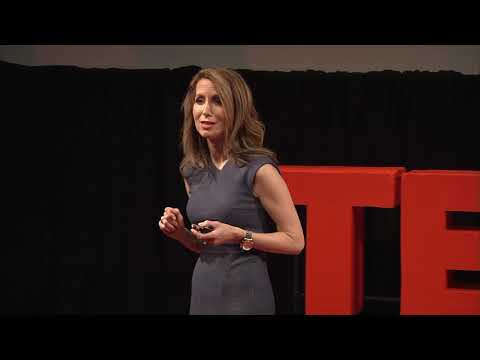
Imagine embarking on a journey where your relationship with food transforms completely. “Unlocking Intermittent Fasting: A Woman’s Journey” invites you to explore the intriguing world of intermittent fasting. This approach isn’t just a diet; it’s a lifestyle shift that many have found empowering.
As you navigate this journey, you’ll discover how timing can be as important as what you eat. Like tuning an instrument to find the perfect note, adjusting when you eat can harmonize your body and mind. Women often have unique experiences with fasting due to hormonal fluctuations, making this exploration even more fascinating.
However, it’s essential to tread thoughtfully. Research shows that intermittent fasting may not fit everyone’s needs or health conditions, especially for women in various life stages like pregnancy or menopause. Always consult healthcare professionals and explore credible sources before making significant changes to your eating habits.
So, are you curious about how this journey could change your perspective on food? Let’s unlock the possibilities together!
The information provided in this article is intended solely for general informational and educational purposes. It does not constitute medical advice, diagnosis or professional treatment, and should not be considered a substitute for consultation with a qualified doctor or other licensed healthcare professional. Any health-related decisions should be made in consultation with accredited medical professionals.
While efforts have been made to ensure the information is accurate and up to date, no guarantees are given—either express or implied—regarding its accuracy, completeness, currency or suitability. Use of this information is at your own discretion.
It is strongly recommended to consult official sources such as the NHS (National Health Service) or other recognised medical institutions before acting on any information contained on this website or article. Under no circumstances should professional medical advice be ignored or delayed due to content read here.
This content is of a general and informational nature only. It is not intended to replace individualised guidance from a healthcare professional or to establish any doctor-patient relationship. The publication of this information does not imply any professional responsibility, guarantee or obligation on the part of the author or this site.
Discover the Secrets to Rapid Weight Loss and Transform Your Body with Intermittent Fasting
Intermittent fasting (IF) has gained popularity for its potential to help with weight loss and improve overall health. It’s a flexible eating pattern rather than a strict diet. People often find it easier to stick to than other weight loss methods.
At its core, intermittent fasting involves cycles of eating and fasting. This can be done in various ways, such as the 16/8 method, where you eat during an 8-hour window and fast for 16 hours. Think of it like scheduling meals around your day like a work shift.
During the fasting period, your body shifts from using glucose (sugar) as energy to fat stores. This shift can help burn extra fat. It’s like running on reserve fuel when your main tank is empty.
When you do eat, it’s important to focus on whole foods. Fresh fruits, vegetables, lean proteins, and healthy fats should be the star players in your meals. They provide essential nutrients without excess calories.
Many people find that they naturally eat less because they’re limiting their eating windows. This can lead to weight loss without feeling deprived or counting every calorie.
Some also report benefits such as increased energy and improved mental clarity during fasting periods. It’s kind of like cleaning out a cluttered room; once things are organized, you can see better!
However, IF isn’t for everyone. There are instances where it may not be suitable, such as for those with certain health conditions or individuals who have a history of eating disorders.
Your experience may vary widely based on lifestyle and personal preferences. It’s important to listen to your body and adjust accordingly.
If you’re curious about IF, start small! Try shorter fasts first before gradually increasing the duration if it feels right for you.
In conclusion, intermittent fasting might offer a pathway toward healthier eating habits and potential weight loss. Just remember that it’s not a magic bullet but rather another tool in the toolbox of healthy living! Always consider consulting with someone knowledgeable about what works best for you personally before making significant changes to your routine.
Unlocking the Secrets of Hormonal Balance Through Intermittent Fasting
Intermittent fasting (IF) has gained popularity, especially among women exploring its effects on hormonal balance. This approach isn’t just about when to eat; it’s about understanding how timing impacts our hormones.
Hormones are the body’s messengers. They regulate processes like metabolism, mood, and reproduction. When they are balanced, we generally feel better and healthier. However, imbalances can lead to issues like weight gain, fatigue, or menstrual irregularities.
So, what is intermittent fasting? It involves cycling between periods of eating and fasting. Think of it as giving your body a break from constant digestion. This break can help reset hormonal functions.
Here are some key points about how fasting might influence hormones:
However, every individual is different. What works for one person might not work for another due to genetics or lifestyle factors.
It’s also important to consider the fasting window. Common methods include 16/8 (fasting for 16 hours and eating during an 8-hour window) or 5:2 (eating normally five days a week while restricting calories on two non-consecutive days).
Listen to your body during this journey. Incorporate nutrient-rich foods during eating periods to support overall health.
Many misconceptions surround intermittent fasting. For instance, it’s not just for weight loss; it also promotes metabolic health and biological repair processes.
Before making significant lifestyle changes like intermittent fasting, think critically about your personal health goals and needs. Consulting with a healthcare professional can help tailor an approach that’s right for you.
In summary, unlocking hormonal balance through intermittent fasting invites us into a conversation about eating patterns and their effects on our bodies. Understanding these dynamics can empower informed choices toward better health outcomes without following trends blindly.
A Transformative Path to Health and Empowerment Through Intermittent Fasting
Intermittent fasting has gained attention as a way to promote health and well-being. It’s not just a diet; it’s more about when you eat rather than what you eat. Let’s explore how it can lead to empowerment and transformation.
At its core, intermittent fasting involves cycling between periods of eating and fasting. This can be done in various ways. Some people choose a daily window, like 16 hours of fasting followed by an 8-hour eating period. Others may fast for 24 hours a couple of times a week.
Why consider intermittent fasting? Many individuals find that it simplifies their lives. There’s less time spent preparing meals if you’re eating within limited windows.
Studies have shown that intermittent fasting may have several potential benefits:
It’s important to note that everyone’s experience with intermittent fasting can differ widely. For some women, it’s about finding balance.
Women may face unique challenges when starting this journey. Hormonal fluctuations throughout the menstrual cycle can impact hunger and energy levels. Listening to your body is key.
Another vital aspect is hydration. Often overlooked, drinking water during fasting windows helps maintain energy levels and overall wellness.
Mental empowerment is another benefit reported by many who try intermittent fasting. It encourages mindfulness around food choices and encourages self-discipline.
However, this approach isn’t for everyone. Individuals with certain health conditions or those who are pregnant should consult healthcare professionals before starting any new regimen.
Debunking the myth—intermittent fasting doesn’t mean endless feasting during eating periods. Quality food choices still matter greatly here for optimal health outcomes.
In conclusion, intermittent fasting can be a transformative path but requires patience and self-awareness. The journey might bring unexpected insights about personal habits and relationship with food.
Remember to prioritize listening to your body throughout this process—what works wonders for one person may not suit another’s needs at all! Consider keeping an open mind while exploring what’s best for you on your path to health.
“Unlocking Intermittent Fasting: A Woman’s Journey” provides a compelling narrative about the personal and physiological experiences tied to intermittent fasting (IF). It underscores how this dietary approach can offer both mental clarity and physical benefits.
The reflection highlights key aspects of the journey, such as understanding the body’s natural rhythms. The author shares her struggles and triumphs, which mirrors many women’s experiences with weight management and health goals. This personal touch encourages readers to consider their unique circumstances while embracing flexibility in dietary choices.
Moreover, it sheds light on important factors like hydration, nutrient-dense food choices, and listening to one’s body. These are crucial points often overlooked in popular diets. By emphasizing moderation over restriction, the narrative fosters an empowering perspective on health rather than presenting IF as a quick-fix solution.
This journey also opens discussions about the implications of fasting for women specifically. Hormonal fluctuations can uniquely impact responses to fasting, making personalized approaches essential for effective outcomes.
Ultimately, this narrative not only informs but inspires a critical examination of dietary practices. It encourages readers to explore IF thoughtfully while prioritizing their well-being over societal expectations or trends.