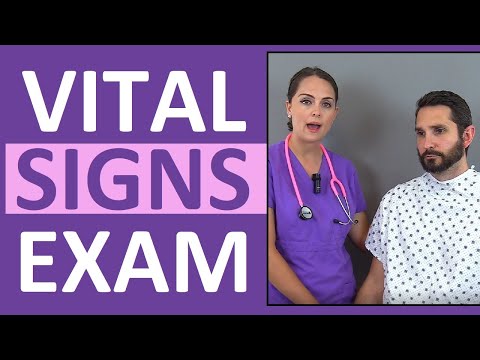
Vital signs are like little messengers from your body, sharing essential information about your health. When you think of vital signs, imagine them as the dashboard lights of a car. Just as a blinking light alerts you to check the engine or fuel, vital signs—like heart rate, blood pressure, temperature, and respiratory rate—tell us how well our bodies are functioning.
Understanding these signals can empower you on your health journey. They offer insights into how stress, exercise, or illness might be affecting you. Just as monitoring a car’s performance helps prevent breakdowns, keeping track of your vital signs can help catch potential health issues early.
However, it’s crucial to be informed about vital signs correctly. While many resources exist online and in print, not all information is reliable. Always seek knowledge from various specialists and trusted media sources to ensure you’re making informed decisions about your health. Misinterpretations can lead to unnecessary worry or complacency. Stay curious but also vigilant in your pursuit of accurate health knowledge!
The information provided in this article is intended solely for general informational and educational purposes. It does not constitute medical advice, diagnosis or professional treatment, and should not be considered a substitute for consultation with a qualified doctor or other licensed healthcare professional. Any health-related decisions should be made in consultation with accredited medical professionals.
While efforts have been made to ensure the information is accurate and up to date, no guarantees are given—either express or implied—regarding its accuracy, completeness, currency or suitability. Use of this information is at your own discretion.
It is strongly recommended to consult official sources such as the NHS (National Health Service) or other recognised medical institutions before acting on any information contained on this website or article. Under no circumstances should professional medical advice be ignored or delayed due to content read here.
This content is of a general and informational nature only. It is not intended to replace individualised guidance from a healthcare professional or to establish any doctor-patient relationship. The publication of this information does not imply any professional responsibility, guarantee or obligation on the part of the author or this site.
Understanding the Key Indicators of Our Well-Being
Understanding our well-being is vital to leading a healthy life. One way we can gauge this is through vital signs. These are simple yet powerful indicators of our body’s condition.
Vital signs typically include temperature, pulse, respiration rate, and blood pressure. Each one gives us clues about our overall health. Let’s break them down.
These indicators often reflect how well our organs work together to keep us alive and healthy.
It’s important to remember that while they provide valuable insights, they don’t paint the full picture of health alone. Other factors like diet, exercise, stress, and sleep significantly influence well-being too.
Regular checks of these vital signs can help you notice changes over time—like when a car warning light alerts you something needs attention under the hood.
Be aware that some fluctuations in these values are normal based on activity level and time of day. Always consider context.
Knowing about these key indicators empowers you to make informed decisions regarding your health journey. If you notice anything unusual with any of these signs, it’s wise to seek further information or support from a healthcare provider.
Stay curious and keep learning about your body! It’s the best way to advocate for your own health and well-being.
Uncovering the Essential Role of Vital Signs in Health Information
Vital signs are key indicators of our health. They include heart rate, respiratory rate, blood pressure, and temperature. These four simple measurements provide a wealth of information about how our bodies are functioning.
When you visit a healthcare provider, these signs are often the first things measured. Think of them like the dashboard lights in a car. If something’s not right with the engine, those lights will warn you. Similarly, vital signs alert us to potential health issues.
Heart rate tells us how many times our heart beats in a minute. A normal resting heart rate for adults ranges from 60 to 100 beats per minute. An unusually high or low heart rate can signal stress or underlying conditions.
Respiratory rate measures how many breaths we take in a minute. For adults, the typical range is 12 to 20 breaths per minute. Changes here might indicate respiratory problems or even anxiety.
Blood pressure gauges the force of blood against artery walls. It’s expressed with two numbers: systolic (pressure when your heart beats) over diastolic (pressure between beats). Normal blood pressure is generally considered to be around 120/80 mmHg.
Temperature indicates if our body is fighting an infection or dealing with other health concerns. A normal body temperature averages about 98.6°F (37°C), but it can vary slightly from person to person.
Each vital sign alone tells part of the story, but together they paint a fuller picture of our health status.
Monitoring these signs regularly is useful for everyone, not just those feeling unwell. For instance, if you track your blood pressure over time, you may notice patterns that help inform lifestyle changes or discussions with a provider.
It’s important to understand what your vital signs mean within the context of your overall health and lifestyle choices. Healthy habits like regular exercise and balanced nutrition can lead to better readings.
Moreover, being aware of what’s “normal” for you can help identify potential issues early on.This empowers you in your health journey and encourages proactive management rather than reactive care.
Don’t forget that factors like stress level and hydration can influence vital signs too! Always discuss any concerns with a qualified professional who can provide personalized insights based on thorough evaluations.
In conclusion, understanding vital signs is not just for healthcare settings; it’s valuable knowledge for daily life as well. Taking control here means being informed and making empowered decisions about your health journey!
Essential Indicators of Your Health You Shouldn’t Ignore
Understanding the indicators of your health is crucial. These signs can give you a valuable glimpse into how well your body is functioning. Let’s talk about some essential health indicators that you shouldn’t ignore.
Vital Signs are the most direct indicators of your health. They include your heart rate, blood pressure, temperature, and respiratory rate. Monitoring these can help you track changes in your well-being over time.
Understanding these indicators helps you monitor shifts in your health status. For instance, if you’re feeling unusually tired and notice elevated heart rates or abnormal blood pressure, this could be important information.
Your Weight also plays a key role in overall health assessments. Sudden weight changes—up or down—can indicate various issues like hormonal imbalances or stress factors.
Monitoring BMI, or Body Mass Index, gives insight into whether you’re at a healthy weight for your height and age. It’s not perfect but serves as a useful tool for many individuals.
Your energy levels, mood changes, and sleep patterns are additional indicators worth attention too. These aspects affect overall well-being and are interconnected with physical health.
It’s important to recognize that while these indicators provide valuable information about our bodies, they shouldn’t be viewed in isolation or cause alarm on their own.
Being aware of these signs allows for better self-care and informed discussions with healthcare providers if something seems off.
Remember: Don’t hesitate to seek professional guidance if something feels wrong or if you’re unsure about any indicator of your health! It’s always wise to ask questions and get clarity on what you observe in yourself.
Stay connected with your body; it often has much to tell you!
Vital signs are foundational to understanding your health. They offer a quick snapshot of how your body functions and can be critical in identifying potential issues early on. The four primary vital signs are heart rate, blood pressure, respiratory rate, and temperature.
Monitoring these signs regularly can be likened to checking the oil in a car. Just as you wouldn’t ignore a warning light on your dashboard, being aware of changes in your vital signs can provide essential insights into your overall health.
Each vital sign carries specific implications. For instance, a high heart rate might indicate stress or dehydration, while elevated blood pressure could suggest cardiovascular risks. Understanding these parameters empowers you to advocate for yourself in medical settings and make informed lifestyle choices.
Education is key when it comes to vital signs. Many people may believe that only healthcare professionals should monitor these indicators. However, taking an active role in understanding your own health is crucial. It’s about developing awareness and recognizing when something feels off.
In summary, grasping the significance of vital signs enhances your health journey. It encourages proactive engagement with your well-being and fosters better communication with healthcare providers. By staying informed about these essential indicators, you’re taking important steps toward maintaining good health and preventing potential problems before they escalate.