The information provided in this article is intended solely for general informational and educational purposes. It does not constitute medical advice, diagnosis or professional treatment, and should not be considered a substitute for consultation with a qualified doctor or other licensed healthcare professional. Any health-related decisions should be made in consultation with accredited medical professionals.
While efforts have been made to ensure the information is accurate and up to date, no guarantees are given—either express or implied—regarding its accuracy, completeness, currency or suitability. Use of this information is at your own discretion.
It is strongly recommended to consult official sources such as the NHS (National Health Service) or other recognised medical institutions before acting on any information contained on this website or article. Under no circumstances should professional medical advice be ignored or delayed due to content read here.
This content is of a general and informational nature only. It is not intended to replace individualised guidance from a healthcare professional or to establish any doctor-patient relationship. The publication of this information does not imply any professional responsibility, guarantee or obligation on the part of the author or this site.
Ever felt like you’re stuck in a fog? You’re not alone. Many people experience this feeling, and it can be really tough. Depression, with all its weight, can come from many angles—stress, life changes, or even a lack of certain nutrients in our diets.
Here’s something interesting: did you know that certain vitamins and supplements might actually play a role in managing symptoms of depression? While they’re not magic pills, these nutrients could support your mental health journey. Think of them as little helpers that might make a difference alongside other treatments.
This article dives into the vitamins and supplements that have shown promise in helping with depression management. We’ll explore how they work and who may benefit the most from them. Just keep in mind, this content doesn’t replace professional medical advice. Always chat with a healthcare professional before making any changes to your routine or treatment plan.
Your mental well-being is important. So let’s get into the nitty-gritty of what might help lift that fog and brighten your day.
Unlocking the Power of Nutrients for a Brighter Mind and Better Mood
Understanding the Role of Nutrients
Nutrients play a crucial role in our overall health, including mental health. You probably know that vitamins and minerals are essential for physical well-being, but they also influence mood and cognitive function. When we’re missing certain nutrients, it can make us feel down or even contribute to conditions like depression.
Vitamins and Their Impact
One vitamin that often comes up in discussions about mood is Vitamin D. This vitamin is produced in our skin when exposed to sunlight. Low levels of Vitamin D have been linked to mood disorders. Some studies suggest that people with low levels might experience more depressive symptoms.
Then there’s B-vitamins, particularly B12 and folate. These vitamins are involved in producing brain chemicals that affect mood regulation. If you’re not getting enough through your diet, it could impact your mental health. Foods like leafy greens and whole grains are great sources of these vitamins.
Minerals Matter Too
Did you know magnesium plays a role in managing stress? It’s true! Magnesium helps regulate neurotransmitters, the chemicals that send signals in the brain. Nuts, seeds, and whole grains can help boost your magnesium level.
Zinc is another mineral that’s important for brain health. It’s found in oysters, meat, beans, and nuts. Deficiencies can lead to cognitive decline and have been associated with depression as well.
The Power of Omega-3 Fatty Acids
You might have heard about omega-3 fatty acids before—they’re more than just buzzwords! Found mainly in fatty fish like salmon or chia seeds, they play an important role in brain function as well as emotional regulation. Studies suggest people who consume omega-3s regularly may experience fewer symptoms of depression.
The Role of Supplements
Sometimes it’s hard to get all these nutrients from food alone. That’s where supplements can come into play—though their use should be approached thoughtfully! Before adding any supplement into your routine, it’s wise to talk it over with someone knowledgeable.
- Fish oil: A common supplement rich in omega-3s; some find it helpful for mood support.
- B-complex vitamins: These often contain all B-vitamins together; convenient if you’re concerned about deficiencies.
- Vitamin D supplements: Especially important during winter when sunlight exposure decreases.
A Word on Balance
Nutrient intake isn’t a magic bullet for mental health issues like depression; it’s one piece of a much larger puzzle. Regular exercise, good sleep hygiene, social connections—these all play major roles too!
Caution Against Myths
You may come across claims suggesting one nutrient will “cure” depression; that’s misleading! Mental health is complex—what works for one person might not work for another. Personalizing nutrition often yields better results than following trends blindly.
Final Thoughts on Nutrition and Mood
The link between what we eat and how we feel can’t be ignored—it’s definitely worth paying attention to what goes into our bodies! But remember: while nutrients support mental health strategies or professional treatment options should always be considered seriously if you’re struggling with your mood.
Unlock Your Mind and Revitalize Your Spirit with Nature’s Essentials
Understanding Vitamins and Supplements for Depression
When it comes to managing feelings of depression, many people look for natural ways to help. One area that often pops up is vitamins and supplements. You might be wondering how these can play a role in your mental health. Let’s break it down.
The Role of Vitamins
Vitamins are essential nutrients that our bodies need to function well. Some of them, like Vitamin D and B vitamins, have been linked to mood regulation. For instance, Vitamin D helps with neurotransmitter function, which is crucial in regulating mood.
Imagine neurotransmitters as tiny messengers in your brain. When they’re not working right, your mood can dip. So, getting enough Vitamin D through sunlight or foods like fish may help you feel better overall.
B Vitamins Matter Too
B vitamins, especially B12 and folate (B9), are important for brain health as well. They support the production of serotonin—a key player in managing emotions. You know how some foods leave you feeling more energized? That’s partially thanks to B vitamins!
Omega-3 Fatty Acids: A Friend for Your Brain
Now let’s chat about omega-3 fatty acids. Found in fish oil and flaxseeds, these fats are known for their anti-inflammatory properties. Research suggests they may also have a positive effect on mood disorders.
You can think of omega-3s as the oil that keeps the machinery running smoothly in your brain—helping improve communication between brain cells.
The Power of Herbal Supplements
Some people also turn to herbal supplements like St. John’s Wort or ashwagandha for emotional support. St.John’s Wort has been studied quite a bit; some research suggests it may help improve symptoms of mild depression.
Ashwagandha is considered an adaptogen—meaning it helps your body deal with stress better over time. Just keep in mind that not everyone will respond the same way and it’s important to be cautious when trying something new.
The Importance of Balance
Look, while these vitamins and supplements might seem appealing, they’re just one piece of the puzzle when it comes to mental health management! Eating a balanced diet, exercising regularly, and getting adequate sleep are just as vital.
If you’re considering adding any supplements into your routine, talking with someone who knows about this stuff is pretty crucial—like a nutritionist or healthcare provider.
Navigating Through Myths
- No single vitamin or supplement is going to “fix” depression on its own.
- Your body’s needs can vary based on individual factors; what works for one person might not work for another.
- A healthy lifestyle combined with proper nutrition tends to yield the best outcomes.
The Bottom Line
Navigating mental wellness through natural options like vitamins and supplements can be encouraging but should always be approached mindfully. Maintaining an open conversation with professionals about what you’re considering trying is really important—it ensures you’re making informed decisions tailored to you!
Unlocking the Connection Between Vitamin B12 and Your Mental Well-Being
So, you might be wondering how vitamin B12 fits into the picture when we talk about mental health. Often, people think of vitamins in terms of physical health, but there’s a real connection between nutrients and our mood.
Vitamin B12 is crucial for many brain functions. It helps in the production of red blood cells and DNA, which are important for the healthy function of your nerves. When your body has insufficient B12, it can lead to fatigue, weakness, or even confusion. It’s like trying to drive a car with no fuel; it just doesn’t work properly.
Now let’s get into the mood part—B12 plays a role in synthesizing neurotransmitters like serotonin and dopamine. These substances help regulate mood and emotions. Imagine being at a party without music; it would feel pretty dull! Without enough B12, your ‘mental music’ can get distorted.
What Happens if You’re Low on B12?
If you’re low on vitamin B12, you might experience symptoms such as irritability or depression. It’s kind of like having cloudy skies all day; it can dampen your spirits. Some studies show a link between low B12 levels and depressive symptoms, but remember, this doesn’t mean every case of depression is linked to this vitamin.
It’s also worth noting that older adults and vegetarians/vegans may be at greater risk for deficiency since animal products are rich in this vitamin. If you’re limiting meat or dairy in your diet, consider talking to someone about whether you need supplements.
How Can You Get Enough Vitamin B12?
- Food: Look for foods like meat, fish, eggs, dairy products; these are rich sources.
- Fortified Foods: Some cereals or plant-based milks have added vitamin B12 to help those who don’t eat animal products.
- Supplements: If you feel unsure about your intake or have dietary restrictions, supplements could be an option worth considering.
If you’re thinking about taking a supplement though—and honestly it’s always good to think—be sure to check with someone who’s knowledgeable about nutrition first. That way you won’t just jump into something without knowing exactly what you need!
The Bigger Picture
Mental well-being isn’t solely based on one vitamin or nutrient—it’s many things working together: lifestyle choices such as exercise and sleep play huge roles too! If you’re feeling down often or struggling with anxiety or depression symptoms regularly it’s really important to seek support from professionals who can provide guidance tailored specifically for you.
The bottom line is that while vitamin B12 is important for brain health and mental well-being—it’s just one piece of the puzzle. Keeping track of how your body feels overall is key—you know yourself best!
Vitamins and Supplements That May Help Manage Depression
When it comes to managing depression, many people naturally look for ways to feel better. Vitamins and supplements have gained attention as potential adjuncts to traditional treatments. It’s important, though, to approach this topic with a clear mind.
First off, let’s talk about vitamin D. This “sunshine vitamin” is crucial for overall health. Research suggests that low levels of vitamin D could be linked to mood disorders, including depression. A daily walk in the sunlight or supplements might help if you’re deficient. But remember—safe sun exposure is key.
Next up is omega-3 fatty acids, found in fish oil. They are essential fats that support brain health. Studies have shown some promising results indicating that omega-3s could improve depression symptoms by influencing neurotransmitter functions. It’s like giving your brain a little boost!
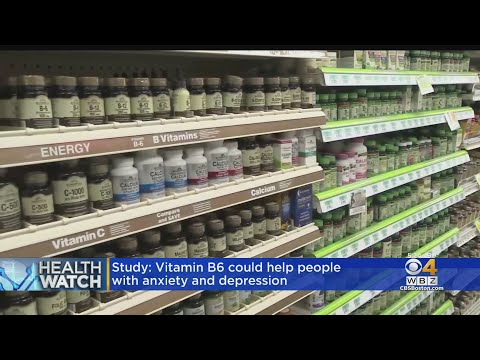
B vitamins are also worth mentioning—especially B6, B12, and folate (B9). These vitamins play roles in producing neurotransmitters like serotonin and dopamine. You can find them in leafy greens, whole grains, and meats or consider taking a supplement if you’re not getting enough from food.
Another interesting player is magnesium; it’s involved in numerous bodily functions. Some studies suggest that low magnesium levels may correlate with increased symptoms of anxiety and depression. Foods rich in magnesium include nuts, seeds, and dark chocolate—so at least there’s a tasty aspect here!
However shifting the focus on just vitamins can be misleading; they aren’t a magic bullet for everyone struggling with mental health issues. Consulting with healthcare professionals remains crucial before starting any new regimen.
The bottom line? While certain vitamins and supplements may enhance mood or supplement traditional treatments for depression—don’t substitute them for professional care or medication when needed.