The information provided in this article is intended solely for general informational and educational purposes. It does not constitute medical advice, diagnosis or professional treatment, and should not be considered a substitute for consultation with a qualified doctor or other licensed healthcare professional. Any health-related decisions should be made in consultation with accredited medical professionals.
While efforts have been made to ensure the information is accurate and up to date, no guarantees are given—either express or implied—regarding its accuracy, completeness, currency or suitability. Use of this information is at your own discretion.
It is strongly recommended to consult official sources such as the NHS (National Health Service) or other recognised medical institutions before acting on any information contained on this website or article. Under no circumstances should professional medical advice be ignored or delayed due to content read here.
This content is of a general and informational nature only. It is not intended to replace individualised guidance from a healthcare professional or to establish any doctor-patient relationship. The publication of this information does not imply any professional responsibility, guarantee or obligation on the part of the author or this site.
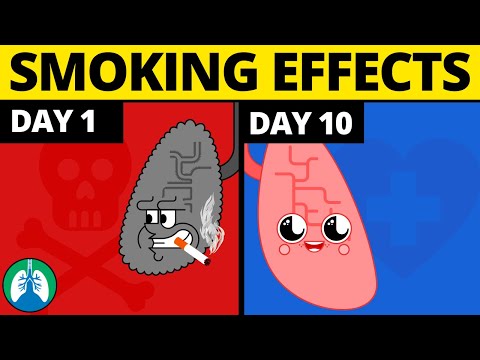
Have you ever wondered what actually happens to your body when you decide to quit smoking? It’s a big step, and honestly, it can be a bit overwhelming. Did you know that within just 20 minutes of your last cigarette, your heart rate begins to drop? That’s the beginning of a fantastic journey back to health.
This article breaks down the changes your body goes through after you kick the habit. From your lungs to your skin, and even emotional shifts—every part of you gets involved in this transformation. Understanding these changes can help motivate you on difficult days when cravings hit hard.
But hey, it’s also super important to remember that everyone’s experience is different. This article isn’t a substitute for professional medical advice. You should always consult with a healthcare expert before making major health decisions. The road may be tough at times, but trust that every small victory counts towards regaining control over your life and health.
Navigating the Unexpected Challenges of Cold Turkey Withdrawal
Navigating Cold Turkey Withdrawal from Smoking
When you decide to quit smoking, going cold turkey means stopping all of a sudden. This can be a real challenge for your body. Suddenly cutting off nicotine, the addictive substance in tobacco, leads to withdrawal symptoms.
What Happens During Withdrawal?
Okay, first let’s talk about what withdrawal feels like. Your body has gotten used to having nicotine around. So when it’s taken away, it can react in various ways. You might feel irritability or anxiety. Think about it like this: if you suddenly stop eating a favorite food, you’d crave it, right? That’s similar to what happens with smoking.
Physical Symptoms
You may experience headaches and an increase in appetite. It’s almost like your body’s trying to replace the nicotine with food! Some people also notice changes in sleep patterns; they feel more tired or have trouble sleeping at night.
Mental and Emotional Effects
Emotionally, quitting can be rough too. Many people deal with mood swings or even depression at times during withdrawal. It’s essential to understand that these feelings are part of the process.
Coping Strategies
This is where coping strategies come into play. Engaging in physical activities can help distract you and reduce stress. Going for walks or exercising release endorphins, which make you feel better naturally!
- Stay Hydrated: Drinking water helps flush toxins from your body.
- Avoid Triggers: Steer clear of places where you’re tempted to smoke.
- Seek Support: Talking to friends or family who support your journey can make it easier.
The Timeline of Withdrawal Symptoms
The symptoms don’t last forever but can feel intense initially. Generally speaking, the worst symptoms peak within the first week and gradually improve over time. After a month or two, many find that cravings become much less intense!
Mistakes to Avoid
If you’re thinking about quitting cold turkey, it’s essential to recognize common mistakes too—for example, replacing cigarettes with sugary snacks won’t help long-term health goals.
Your Journey Matters
This whole process means something different for everyone—you’re not alone in this experience! Some days will feel tougher than others; just remember that every step taken away from smoking is progress towards better health.
If you’re facing particularly tough days during withdrawal and struggling big time—don’t hesitate reaching out for professional help along the way!
Unveiling the Transformation: How Kicking the Habit Revives Your Skin’s Glow
What Happens to Your Body When You Quit Smoking?
So, let’s talk about quitting smoking. You might not realize it, but when you kick that habit, your body starts to change in some pretty amazing ways. It’s like giving your system a much-needed vacation.
First off, your circulation improves. Think of it this way: smoke is like a traffic jam in your blood vessels. Once you stop smoking, that traffic clears up. Over time, your heart doesn’t have to work as hard and can deliver oxygen more efficiently.
Your skin? Oh man, it really feels the difference too! Nicotine and other chemicals can dull your natural glow. When you quit, blood flow increases to the skin. More blood means more nutrients and oxygen—hello brightness! Over time, you might notice fewer wrinkles and a healthier complexion.
The Timeline of Changes
Here’s something interesting: changes don’t take ages. Within just a few days of quitting, you begin to notice alterations in your skin tone. It’s like switching on a light bulb after being stuck in the dark for too long.
- 48 hours: Your sense of smell and taste improve significantly.
- 2 weeks: Circulation improves even further; skin looks more vibrant.
- 1 month: Any cough or shortness of breath starts decreasing.
- 6 months: Skin continues rejuvenating; fine lines look less noticeable!
This process is gradual though—don’t expect immediate miracles overnight! Remember that everyone’s body reacts differently and at its own pace.
Mental Changes Matter Too
Mental health plays an important role in how we perceive ourselves. Quitting smoking can lead to reduced anxiety and better mood regulation over time. Feeling good emotionally can reflect positively on how our skin looks as well!
A Simple Analogy
If life is like a garden, smoking is like planting weeds that strangle the flowers. Once you pull those weeds out by quitting, the flowers (your healthy cells) get room to grow and bloom again.
The Importance of Hydration
You know what else helps? Drinking water! It flushes out toxins from your system faster than anything else could do. Staying hydrated along with quiting helps make sure those new healthy cells have what they need to thrive!
A Word of Caution
Hey look—some people might experience breakouts or changes initially because their body is adjusting itself without nicotine’s influence. This phase usually passes as things balance out over time. Just hang in there!
Nurturing Your Skin Post-Smoking
If you’re thinking about giving this whole skincare thing another shot post-smoking habit—you’re on the right track! Think gentle products that nourish without harsh irritants.
- Cleansers: Use something mild that won’t strip away natural oils.
- Moisurizers: Look for ones with hyaluronic acid or vitamin E—these are great!
- Sunscreen: Protecting skin from UV rays is key for maintaining its glow long term!
Your journey towards healthier skin starts from within but practices do help boost external results over time!
Unpacking the Unexpected Challenges of Breaking Free from Smoking
Quitting smoking is a tough journey for many people. It’s not just about stopping a habit; it’s about facing both physical and emotional challenges. When you light up, your body gets used to nicotine, which is the addictive substance in cigarettes. Once you quit, your body goes through quite a bit of change.
What Happens in Your Body?
Okay, so first off, when you stop smoking, your body starts healing almost immediately. Within 20 minutes, your heart rate drops. That’s pretty quick! But then things get interesting.
Within just a few days to weeks after quitting, many folks experience withdrawal symptoms. You know how when you miss something you love? Like maybe that last slice of pizza? Well, with cigarettes, that craving can feel intense.
- Coughing: Your lungs are starting to clear out all that gunk left behind by smoke. This might lead to coughing as they work hard to clean themselves.
- Mood Swings: Nicotine affects brain chemistry. So once it’s gone, some people feel irritable or edgy; it’s like being hangry but for cigarettes!
- Cramps and Hunger: Sometimes quitting can trigger cravings for sugar or carbs instead. It’s your brain looking for comfort food because it’s missing its usual high.
The Emotional Rollercoaster
The emotional side can be just as challenging—if not more so—than the physical symptoms. Many people find themselves feeling anxious or sad shortly after quitting smoking. It’s like losing a friend who was always there even if they weren’t good for you.
You might also notice changes in sleep patterns. Some find it harder to fall asleep or stay asleep while their body readjusts without nicotine’s help.
The Positive Changes
But hey, don’t lose hope! After those tough early weeks and months come some truly fantastic benefits! Did you know that within a year of quitting smoking, your risk of heart disease drops significantly? That feels great!
Your lungs will continue getting better too—they become stronger over time and better at fighting off infections and clearing out mucus.
- Savings: Every pack avoided means money saved! Think about all those things you could do with that cash!
- Smell and Taste: Many people say food tastes better after they quit—like rediscovering flavors!
The Role of Support Systems
A lot of individuals find benefit in joining support groups or talking to someone who has been there before—they understand what you’re going through! Friends and family can help too but don’t hesitate to share how you’re feeling—honest connections can lighten the load during tough times.
If cravings hit hard—because they likely will—finding distractions is key. Go for a walk or dive into a hobby; keeping yourself busy helps take your mind off the urge to smoke.
A Long-term Commitment
The truth is breaking free from smoking isn’t just a one-time effort; it’s often about making long-term lifestyle changes. It’s okay if setbacks happen: many have faced them and still found success!
No matter where along this path you are trying to quit smoking, remember: each day without the habit makes tomorrow easier! Stay strong—you got this!
What Happens to Your Body When You Quit Smoking?
Quitting smoking is a significant step towards better health. The body starts to heal almost immediately after you stop. It’s pretty amazing, really.
Short-Term Changes
Within just 20 minutes, your heart rate starts to drop back to normal. That’s your body telling you it appreciates the decision.
After 12 hours, carbon monoxide levels in your blood return to normal. Carbon monoxide is a harmful gas found in cigarette smoke. It’s less oxygen in your body, which isn’t good.
Long-Term Health Improvements
The benefits grow over time. A year without smoking can cut your risk of heart disease in half compared to someone who keeps smoking. That’s quite a motivator.
It doesn’t stop there; after five years, the risk of stroke becomes similar to that of non-smokers. Isn’t that surprising? And after ten years, the chances of lung cancer decrease significantly.
Your Body’s Healing Process
Your lungs begin the healing process as well. Cilia—tiny hair-like structures that help keep your lungs clean—start functioning better within a few days. This increases lung capacity and helps reduce coughs.
You might notice improved taste and smell too! It seems odd, but many ex-smokers report food tasting better after quitting.
Mental and Emotional Benefits
Mental clarity also improves as nicotine leaves your system. You might feel less anxious or stressed over time.
A community of support can make a big difference too; joining cessation programs can boost success rates significantly for many people trying to quit.
The Bottom Line
Kicking the habit brings countless benefits at any age or stage of life. Each day without cigarettes is another step towards a healthier you!