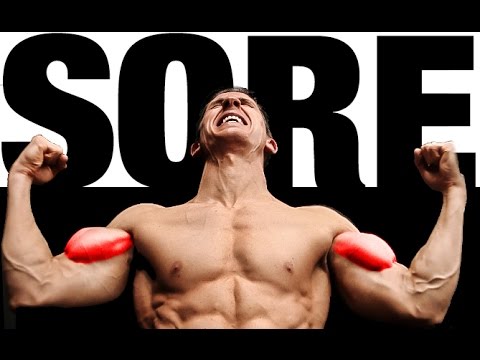
When you start a new workout routine or push your limits, it’s natural to feel a bit sore afterward. This soreness, often called delayed onset muscle soreness (DOMS), is a sign that your muscles are adapting and strengthening. But what happens when you’re tempted to hit the gym again while still feeling those aches?
Imagine your muscles as sponge-like structures. When you work out, you squeeze them dry, creating tiny tears. As they heal, they absorb nutrients and strengthen. However, if you jump back into another intense session too soon, it can be like trying to use those sponges before they’ve had a chance to soak up water again.
But here’s the thing: working out while sore is a common experience that requires careful consideration. Some light activity can actually help ease stiffness and improve circulation. Yet pushing too hard may lead to injuries or prolonged discomfort.
It’s essential to listen to your body and make informed choices about your workouts. If you’re unsure what’s right for you, consider reaching out to different specialists—like trainers or physical therapists—who can provide personalized guidance based on your specific needs.
Warning: If soreness becomes severe or lasts longer than a few days, it could indicate something more serious than normal recovery. Always prioritize self-care and don’t hesitate to consult various reputable sources for information before proceeding with potentially risky exercises. Balancing effort with recovery is key in any fitness journey!
The information provided in this article is intended solely for general informational and educational purposes. It does not constitute medical advice, diagnosis or professional treatment, and should not be considered a substitute for consultation with a qualified doctor or other licensed healthcare professional. Any health-related decisions should be made in consultation with accredited medical professionals.
While efforts have been made to ensure the information is accurate and up to date, no guarantees are given—either express or implied—regarding its accuracy, completeness, currency or suitability. Use of this information is at your own discretion.
It is strongly recommended to consult official sources such as the NHS (National Health Service) or other recognised medical institutions before acting on any information contained on this website or article. Under no circumstances should professional medical advice be ignored or delayed due to content read here.
This content is of a general and informational nature only. It is not intended to replace individualised guidance from a healthcare professional or to establish any doctor-patient relationship. The publication of this information does not imply any professional responsibility, guarantee or obligation on the part of the author or this site.
Navigating the Fine Line Between Rest and Recovery
When you start a new workout routine, feeling sore is often part of the process. Soreness, also known as delayed onset muscle soreness (DOMS), can make you feel like you’re battling with your own body. It might be tough to know when to push through discomfort and when to take a step back.
Rest and recovery are essential components of any fitness journey. Rest is simply allowing your body to pause activity. Recovery, however, involves active steps to help your muscles heal and adapt. Both are crucial for progress.
When you feel sore, it’s easy to confuse this with injury. Soreness usually means your muscles have been challenged more than they are used to. It’s a sign of adaptation but not something you should ignore.
If you’re feeling extreme pain or discomfort in specific areas, it’s wise to rest those muscles more thoroughly.
Gentle movements like walking or yoga can keep blood flowing and relieve some stiffness without adding stress.
Sleep allows your muscles to repair themselves and can significantly impact how quickly soreness fades away.
People often believe that working out while sore will lead to quicker results. This isn’t always true! While some light exercise may actually be beneficial, pushing too hard can prolong recovery time or even lead to injury.
Nourishing your body plays a pivotal role as well. Eating plenty of protein supports muscle repair. Staying hydrated helps prevent cramps during workouts too.
Remember that everyone’s body reacts differently. What works for one person might not work for another. Tracking how you feel during different workouts can help you find the right balance between pushing yourself and letting yourself recover.
In summary, finding success in fitness comes from understanding that rest isn’t giving up; it’s a smart strategy for long-term improvement. Distinguish soreness from pain, listen closely to what your body tells you, and prioritize both rest and recovery for optimal performance.
Exploring the Connection Between Muscle Pain and Weight Fluctuations
Muscle pain and weight fluctuations are two common experiences people encounter, especially when starting a fitness routine. Understanding their connection can help you make informed decisions about your health.
When you work out, especially if you’re new to it or increasing intensity, your muscles undergo small tears. This is what causes delayed onset muscle soreness (DOMS). It’s a normal response to exercise and usually peaks 24-48 hours after activity.
During this time, your body works hard to repair those muscles, which can sometimes lead to temporary weight gain. This happens for several reasons:
It’s important to remember that weight isn’t solely a reflection of fat loss or gain. Scale numbers can fluctuate due to various factors including hydration levels, muscle mass changes, and even hormonal shifts.
If you’re sore but still want to work out, consider some gentle activities like walking or stretching. These can promote blood flow without overstraining your already tired muscles.
Listening to your body is key. If pain feels sharp or persists beyond typical soreness, it might be wise to rest more. Each person’s recovery is unique.
Also, managing expectations is crucial when comparing muscle pain with weight changes. Sometimes we may focus too much on the number on the scale instead of how we feel overall.
Staying hydrated and maintaining a balanced diet can make a significant difference in both muscle recovery and overall well-being. Consider incorporating foods rich in protein and antioxidants which support healing.
Lastly, remember that fluctuations are normal! Your journey in fitness is not just about immediate results but rather long-term health benefits. Embrace the process and give yourself grace along the way!
Listening to Your Body: Finding Balance Between Rest and Recovery
Listening to your body is crucial, especially when you’re working out. It helps you find the right balance between rest and recovery. When you push through soreness, it’s essential to understand what your body is telling you.
Soreness after a workout often means your muscles are healing. This is called delayed onset muscle soreness, or DOMS. It usually kicks in 24 to 48 hours after exercising. The good news? Soreness can be a sign that you’re getting stronger.
However, not all soreness is equal. Sometimes discomfort can signal injury rather than simple muscle fatigue. If the pain feels sharp or persistent, it might be time to take a break.
Here are some things to consider when deciding whether to work out while sore:
Finding that balance requires awareness of your limits. Rest days are just as important as workout days; they help prevent burnout and injury.
Sometimes it’s helpful to think of your body as a car engine. When you drive hard for too long without maintenance, it can overheat. Giving it a break lets everything cool down and run smoothly again.
Finally, don’t hesitate to talk with knowledgeable people about fitness routines if you’re unsure about how much rest you need. Remember, everyone’s body responds differently. Trust yours and make informed choices based on how you feel!
Working out while sore can be a common experience, especially for those new to exercise or returning after a break. Understanding how to approach workouts during this time is essential for promoting recovery and preventing injury.
Firstly, it’s important to recognize what muscle soreness means. Often referred to as delayed onset muscle soreness (DOMS), this sensation typically arises after unfamiliar or intense physical activity. It signifies that your muscles are repairing and adapting—this is a natural part of the fitness process.
When deciding whether to exercise while sore, consider the following:
However, it’s also critical to distinguish between typical soreness and pain that signals potential injury. If the discomfort feels sharp or persists beyond a few days, it’s wise to rest and consult with a professional.
Overall, working out while sore is not inherently harmful if approached mindfully. Respecting your body’s limits will support long-term progress and health in your fitness journey. Remember, fitness is about consistency over perfection; recovery is equally important as the workouts themselves.