Sudden vaginal dryness can be an unexpected and uncomfortable experience. It’s like waking up to find your favorite river has dried up overnight—you’re left wondering where the flow went. Understanding the underlying causes is essential, as various factors can contribute to this change in your body.
Many women face this issue at some point in their lives, whether it’s due to hormonal changes, stress, medications, or other health conditions. The key is to take a closer look and explore what might be behind it. Your body is sending you signals that deserve attention.
However, we must approach this topic with care. Always consult with different specialists to understand your situation thoroughly. Relying on a single source of information may not provide the complete picture. Engaging with reputable articles, healthcare providers, or support groups can empower you with knowledge and help you make informed decisions about your health.
The information provided in this article is intended solely for general informational and educational purposes. It does not constitute medical advice, diagnosis or professional treatment, and should not be considered a substitute for consultation with a qualified doctor or other licensed healthcare professional. Any health-related decisions should be made in consultation with accredited medical professionals.
While efforts have been made to ensure the information is accurate and up to date, no guarantees are given—either express or implied—regarding its accuracy, completeness, currency or suitability. Use of this information is at your own discretion.
It is strongly recommended to consult official sources such as the NHS (National Health Service) or other recognised medical institutions before acting on any information contained on this website or article. Under no circumstances should professional medical advice be ignored or delayed due to content read here.
This content is of a general and informational nature only. It is not intended to replace individualised guidance from a healthcare professional or to establish any doctor-patient relationship. The publication of this information does not imply any professional responsibility, guarantee or obligation on the part of the author or this site.
Uncovering the Surprising Triggers Behind Unexpected Dryness
Vaginal dryness can be surprising and sometimes distressing. It may occur suddenly and leave you wondering what’s going on. Understanding the triggers can help manage this common issue.
Many people think dryness is only linked to menopause. While it’s a significant factor, there are other causes too.
Hormonal Changes
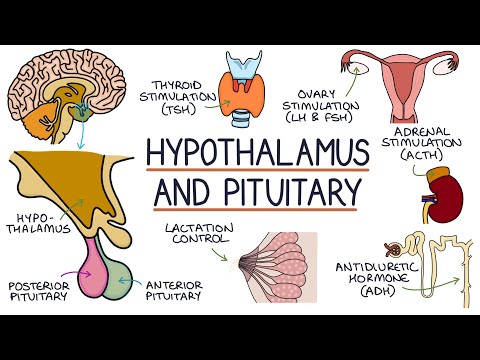
Hormones like estrogen play a major role in keeping tissues moist. Sudden drops in estrogen, often due to childbirth, breastfeeding, or perimenopause, can cause dryness.
Medications
Certain medications can also dry out mucous membranes. Antihistamines for allergies or medications for anxiety may contribute to this feeling of dryness.
Stress and Anxiety
Believe it or not, your emotional state impacts physical health. Stress and anxiety can lead to decreased sexual arousal, which might create feelings of dryness.
Lifestyle Factors
Your daily habits affect your body too. Smoking, excessive alcohol use, and even poor hydration play roles in vaginal moisture levels.
Certain Medical Conditions
Conditions like diabetes or autoimmune diseases can disrupt normal hormone function. These conditions might lead to more severe cases of vaginal dryness.
If you notice unexpected changes in your body, checking in with a healthcare provider is essential. They can help identify any underlying issues and suggest appropriate strategies for relief.
Remember that self-care matters! Staying hydrated and using water-based lubricants during intimacy may improve comfort levels significantly.
Knowledge about these triggers empowers you to make informed choices about your health. Being aware of how different factors contribute to dryness is an essential step towards finding the right solutions for you.
Exploring the Surprising Shift in Your Body’s Responses
Vaginal dryness can sometimes catch you off guard. One day, everything feels normal, and the next, you’re facing discomfort. This sudden change can be surprising and raise questions.
Various factors contribute to vaginal dryness. A common one is hormonal changes, particularly during menopause. When estrogen levels drop, it can affect moisture levels in the vaginal area.
Stress isn’t just a mental challenge; it affects your body too. It can lead to hormonal imbalances and trigger dryness as well. Think of stress as a bad weather system affecting your body’s functioning.
Medications also play a role. Certain drugs like antihistamines or antidepressants might have side effects that include dryness. Always check with the info that comes with your medication!
Another factor could be your lifestyle choices. Smoking and lack of hydration can contribute to how moist or dry you feel down there. It’s like not watering a plant for days; it starts wilting.
Some women experience changes during their menstrual cycle or pregnancy as well. These shifts can temporarily alter your body’s natural moisture levels.
Here are some key points to consider:
It’s essential to listen to your body when these changes occur. If you’re concerned about vaginal dryness or if it’s affecting your quality of life, talking to someone who understands these issues is important.
Being informed is empowering! Understanding what might be causing your symptoms helps you make decisions about managing them effectively.
Revitalize Your Intimacy with Simple, Effective Remedies
Experiencing sudden vaginal dryness can feel uncomfortable and even distressing. It’s important to understand what’s happening to your body.
Causes of Vaginal Dryness vary widely. Hormonal changes, especially during menopause, are a common culprit. When estrogen levels drop, the vaginal walls can become thinner and less lubricated.
Stress and anxiety can also play a role. Just like how stress affects your stomach, it can impact your body’s ability to produce natural lubrication.
Certain medications may contribute too. For instance, some antihistamines or anti-depressants might have dryness as a side effect. Always check with a healthcare professional if you have concerns about your meds.
Simple remedies are available to help manage vaginal dryness and revitalize intimacy.
Consider these options:
It’s also helpful to create a relaxing atmosphere when being intimate. A calm environment reduces stress and enhances connection.
Remember, open communication with your partner about how you’re feeling is important. Mutual understanding fosters intimacy.
If dryness persists or worsens, it could be worth discussing with a healthcare provider for personalized advice. Don’t hesitate to seek support—it’s part of taking care of yourself.
By exploring these remedies and keeping the conversation going, you can navigate this challenge together while nurturing intimacy in your relationship.
Sudden vaginal dryness can be a concerning experience for many. It’s essential to understand that this condition can arise from various factors, both physical and emotional.
Firstly, hormonal changes are a significant contributor. For example, during menopause, estrogen levels drop, leading to dryness. Similarly, breastfeeding can cause temporary hormone shifts resulting in similar symptoms.
Medications also play a role. Certain prescriptions for allergies or depression might have side effects that include dryness. It’s always wise to consult with a healthcare provider about potential interactions.
Lifestyle factors shouldn’t be overlooked either. Stress can impact your body in numerous ways, including affecting natural lubrication. Additionally, inadequate hydration or a poor diet may influence overall moisture levels.
Infections could be another culprit. Vaginal infections or urinary tract infections might lead to discomfort and dryness as well.
It’s important to approach this subject openly without stigma or shame. Communication with healthcare professionals is crucial for understanding the underlying causes and finding appropriate treatments.
Remember, it’s okay to seek help! There are many solutions available—from moisturizers and lubricants to discussions about hormone therapy—tailored to individual needs and circumstances. Being proactive about your health will empower you on this journey toward comfort and well-being.