The information provided in this article is intended solely for general informational and educational purposes. It does not constitute medical advice, diagnosis or professional treatment, and should not be considered a substitute for consultation with a qualified doctor or other licensed healthcare professional. Any health-related decisions should be made in consultation with accredited medical professionals.
While efforts have been made to ensure the information is accurate and up to date, no guarantees are given—either express or implied—regarding its accuracy, completeness, currency or suitability. Use of this information is at your own discretion.
It is strongly recommended to consult official sources such as the NHS (National Health Service) or other recognised medical institutions before acting on any information contained on this website or article. Under no circumstances should professional medical advice be ignored or delayed due to content read here.
This content is of a general and informational nature only. It is not intended to replace individualised guidance from a healthcare professional or to establish any doctor-patient relationship. The publication of this information does not imply any professional responsibility, guarantee or obligation on the part of the author or this site.
So, you just had unprotected sex and now your mind is racing with questions. When can you test for STIs? Honestly, it’s a common worry. It can feel overwhelming, right?
STIs are more prevalent than many people realize. The World Health Organization estimates that more than one million STIs are acquired every day worldwide. That’s a staggering number! But the good news is that being informed can help you make better choices regarding your health.
This article will walk you through the best times to get tested for STIs after consensual unprotected encounters. You’ll learn about different types of infections and how their detection times vary. Understanding this isn’t just crucial for your own well-being, but also for your partners.
It’s important to know that while this article provides helpful information, it doesn’t substitute professional medical advice. Decisions about your health should not be made solely based on what you read here; consulting a healthcare professional is always essential.
You deserve to feel secure and informed when it comes to your sexual health!
Timing Matters: When to Get Tested for STDs After Unprotected Sex
Understanding the Timing for STD Tests
So, you’ve had unprotected sex and you’re wondering when to get tested for STDs. Honestly, that’s a really important question. The timing can vary depending on the specific infection.
What Are STDs and Why Care About Timing?
STDs, or sexually transmitted diseases, are infections that are spread through sexual contact. Some common ones include chlamydia, gonorrhea, syphilis, and HIV. Now, why does timing matter? Because many STDs might not show up right away in tests.
Window Periods Explained
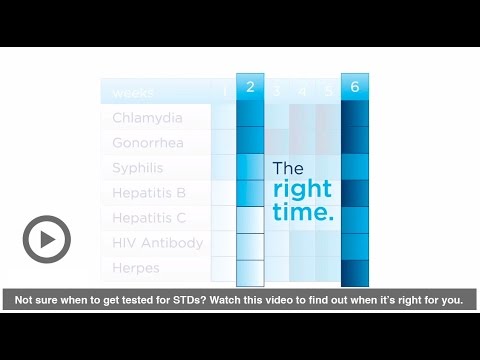
The “window period” is the time between exposure to an STD and when a test can accurately detect it. For instance, with chlamydia or gonorrhea, it usually takes about 7 days post-exposure for a test to provide reliable results. Waiting a week might feel long but it’s necessary.
For syphilis, testing can be accurate after about 3 weeks. And HIV? Well, it varies. Many tests can detect the virus as early as 10 days, but some may require up to 3 months. It’s confusing sometimes!
Pregnancy Tests: An Important Note
If pregnancy is a possibility after unprotected sex too, then testing should happen sooner rather than later. Home pregnancy tests can provide accurate results around a week after missed periods.
You May Not Feel Symptoms Right Away
A lot of people often think that if they’re not feeling sick or having any symptoms then they’re in the clear. Unfortunately, many STDs can be asymptomatic at first—meaning there are no noticeable signs at all.
The Best Approach After Unprotected Sex
If you’ve had unprotected sex and are unsure about your partner’s sexual health history or if symptoms arise later on—get tested! It may feel awkward talking about it but remember: it’s just part of taking care of your health.
- Test for chlamydia and gonorrhea: 1 week post-exposure.
- Sifylis: Test after 2-4 weeks.
- HIV: Consider testing at 10 days; follow-up at 1-3 months for accuracy.
Your Health Matters!
The thing is—getting tested isn’t just about peace of mind; it’s also about protecting your partners too! If you’re in doubt or have concerns—don’t hesitate to consult with a healthcare provider who can guide you based on your specific situation.
No matter how uncomfortable it may seem now talking about STDs or getting tested is part of being responsible and looking out for yourself and others!
Unraveling the Timeline of STI Symptoms in Women
Understanding STI Symptoms in Women
STIs, or sexually transmitted infections, can be tricky to navigate. Women might experience a range of symptoms, but the timeline can vary widely.
When do Symptoms Appear?
After unprotected sex, symptoms don’t always show up right away. Sometimes it can take days, weeks, or even months for signs to appear. This is known as the incubation period.
For instance, with chlamydia and gonorrhea, symptoms may surface within one to three weeks. In contrast, herpes may stay silent for extended periods before any blisters or sores show up.
The Sneaky Nature of STIs
It’s important to note that many women won’t display noticeable symptoms at all. This is especially true for infections like chlamydia and gonorrhea. You might feel completely fine but still carry the infection.
Common Symptoms
- Painful urination: Burning sensations while peeing can signal an issue.
- Abnormal discharge: Changes in vaginal discharge—like color or smell—may be a red flag.
- Pain during sex: Discomfort or pain during intercourse isn’t normal and should be checked out.
- Sores or bumps: Any unusual growths on the genital area could indicate an STI like herpes.
If You’ve Had Unprotected Sex
You might wonder when is the right time to test after having unprotected sex? Generally speaking, waiting at least 1-2 weeks after exposure can give better test results for many STIs like chlamydia and gonorrhea. For HIV testing, it’s often recommended to wait around 4-6 weeks for more accurate results.
The Importance of Testing
A lot of people put off testing because they fear what they might find out. But knowing your status is vital! Regular screenings can help catch any issues early on and prevent complications down the road.
Misinformation Around STIs
You might hear myths about STIs being only a certain age group issue or just affecting specific individuals. Not true! Anyone who is sexually active could potentially get an STI regardless of age or lifestyle choices.
A Final Note on Communication
If you suspect you have an STI or if something feels off, reaching out to a healthcare provider is essential. They can provide guidance tailored specifically to your situation—and remember: there’s no shame in seeking help!
Timing is Key: Know When to Take the Pregnancy Test After Unprotected Sex
So, you’ve had unprotected sex and now you’re wondering when to take a pregnancy test. It can be pretty nerve-wracking. The thing is, timing really matters here.
Usually, a pregnancy test works by detecting a hormone called human chorionic gonadotropin (hCG), which your body starts producing once a fertilized egg implants into your uterus. This can take about 6 to 10 days after conception. However, for the most reliable results, you might want to wait until at least the first day of your missed period.
Why wait? Well, if you test too early—say just a few days after sex—you might get a false negative result. That’s because there may not be enough hCG in your urine yet. Imagine trying to catch something small with a net that’s not fully open; sometimes it just doesn’t work.
Understanding Your Cycle
Your menstrual cycle plays a crucial role in all of this. Most cycles last around 28 days but can vary widely from person to person—some are shorter; some are longer. If you’re unsure about when you ovulate or when your next period is due, this uncertainty can complicate things further.
The best idea? If you’ve had unprotected sex during your fertile window—which is generally around the time of ovulation—consider waiting at least two weeks before testing. This gives your body time to build up hCG if pregnancy has occurred.
When Can You Test for STIs?
This brings us to another important topic: sexually transmitted infections (STIs). If you’re considering getting tested for STIs after unprotected sex, timing also matters here.
- For chlamydia and gonorrhea tests: usually, testing should be done about one week after exposure for accurate results.
- If you’re worried about HIV: it’s recommended to wait at least 2-4 weeks post-exposure for reliable outcomes from tests that look for antibodies.
- Some other infections may require longer waiting periods; herpes testing may be done up to 16 weeks after potential exposure for definitive results.
You know, it’s always better to talk things over with someone who knows more about it or even consider returning for retesting if symptoms appear later on or if initial tests were negative.
The Bottom Line
A good approach? If you’ve had unprotected sex and suspect pregnancy or STIs could be an issue, keep track of how long it’s been since the encounter. Patience pays off! Waiting until the right time increases the likelihood of accurate test results, reducing anxiety in the long run.
No shame in seeking help or getting advice—that’s important too! Remembering that you’re not alone in navigating these situations helps as well!
Understanding STI Testing After Unprotected Sex
When it comes to sexually transmitted infections (STIs), timing is important. If you’ve had unprotected sex, you might be wondering when to get tested. The answer isn’t straightforward and depends on the type of STI.
Immediate Concerns
First off, it’s key to know that many STIs don’t show symptoms right away. Some can take days or even weeks to become detectable. For example, Chlamydia and Gonorrhea often require about a week for accurate results.
The Window Period
This time before an infection shows up in tests is called the “window period.” It varies with each STI. For instance:
- HIV: testing is usually recommended around 10 days after exposure but optimal results come around 2-4 weeks.
- Syphilis: can be tested around 3-6 weeks after exposure.
- Herpes: you typically wait about 2-12 weeks for reliable test results.
Your Health Matters
If you’re experiencing symptoms like unusual discharge, itching, or painful urination, it’s best to consult a healthcare provider as soon as possible. They can guide testing and treatment if needed.
Testing not only protects your health but also the health of others. Getting tested regularly is a good habit—especially if you have multiple partners or engage in risky behaviors.
The Importance of Awareness
A common misconception is that you can’t get STIs from oral sex or that they’re only transmitted through penetrative sex. This simply isn’t true; many STIs can pass through skin-to-skin contact or oral activities too.
If you’re ever unsure, remember that seeking advice from a healthcare professional is always the smart move. They’re there to help without judgment while ensuring your health stays a priority.