The information provided in this article is intended solely for general informational and educational purposes. It does not constitute medical advice, diagnosis or professional treatment, and should not be considered a substitute for consultation with a qualified doctor or other licensed healthcare professional. Any health-related decisions should be made in consultation with accredited medical professionals.
While efforts have been made to ensure the information is accurate and up to date, no guarantees are given—either express or implied—regarding its accuracy, completeness, currency or suitability. Use of this information is at your own discretion.
It is strongly recommended to consult official sources such as the NHS (National Health Service) or other recognised medical institutions before acting on any information contained on this website or article. Under no circumstances should professional medical advice be ignored or delayed due to content read here.
This content is of a general and informational nature only. It is not intended to replace individualised guidance from a healthcare professional or to establish any doctor-patient relationship. The publication of this information does not imply any professional responsibility, guarantee or obligation on the part of the author or this site.
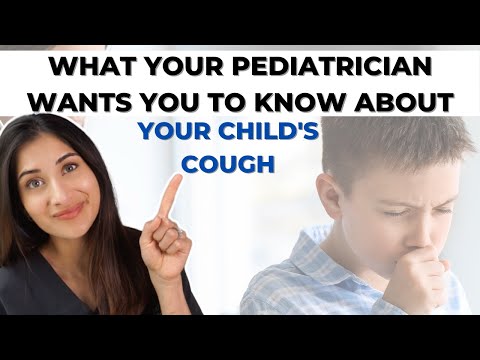
Have you ever been kept up at night by your child’s relentless cough? It can be really tough to see our little ones struggling. You might wonder if it’s just a common cold or something more serious.
Coughing is actually a pretty normal thing for kids. It’s how their bodies clear out irritants. But, sometimes, that cough can signal something deeper. The trick is knowing when it’s time to talk to a doctor.
This article dives into what symptoms to look for and when those pesky coughs might warrant a visit to a healthcare professional. We’ll cover everything from the nature of the cough itself—like whether it’s dry or wet—to associated symptoms like fever or trouble breathing.
While this information is helpful, it’s important to remember that it doesn’t replace medical advice. Health decisions shouldn’t be made solely on what you read here; always consult with a healthcare expert for any concerns about your child’s health.
Your peace of mind matters, and being informed can help you make the best choices for your child.
Knowing the signs that warrant a visit to the doctor for your child’s cough
Knowing When to Visit the Doctor for Your Child’s Cough
Coughing is pretty common in kids. It can happen for many reasons, from a cold to allergies. But sometimes, it’s important to pay close attention to certain signs. Knowing when to see a doctor can make a big difference.
Duration of the Cough
If your child’s cough lasts more than a week, that might raise some flags. A short-term cough could be normal, but persistent coughing could indicate an underlying issue that needs attention.
Characteristics of the Cough
The sound of the cough matters too. Is it dry and wheezy? Or is it a wet cough with mucus? A croupy barky sound can be a sign of croup, while gunky sounds may suggest bronchitis or an infection.
Accompanying Symptoms
If your child has other symptoms like fever, breathing troubles, or chest pain along with the cough, you should definitely consider visiting a doctor. You know how worrying it can be when there are multiple symptoms happening at once.
Changes in Breathing
Watch for any changes in how your child breathes. If you notice they’re struggling to catch their breath or if their breaths are fast and shallow, this warrants immediate medical attention.
Sounding Strained
A cough that causes your child to turn pale or seem exhausted may indicate that they’re having trouble breathing enough oxygen. This is not something to take lightly.
Irritability and Fatigue
If your little one seems unusually cranky or overly tired, along with having a cough, it might mean they’re not feeling well overall. This could suggest that it’s time for an evaluation by healthcare provider.
Losing Weight or Not Eating Well
An ongoing cough paired with weight loss or lack of appetite is concerning too. Kids need proper nutrition and energy to grow healthy; coughing shouldn’t disrupt their eating habits.
Final Thoughts on Coughs in Children
Coughing can make us all feel anxious as parents—especially when our kiddo is sick. Keeping track of their symptoms helps guide decisions about whether it’s time for a doctor’s visit. And when in doubt? It’s always better to reach out and ask than wait and worry!
Simple and Effective Remedies for Easing Your Child’s Persistent Cough
Understanding Your Child’s Cough
Coughing is a pretty common thing in kids. It’s basically their body’s way of clearing the throat or lungs. But when that cough sticks around, it can worry parents. So, when should you worry about your child’s cough? Well, there are some signs to keep an eye on.
When to Seek Medical Help
If your child’s cough lasts more than a few weeks, it’s probably time to consult someone who knows their stuff. Also, if they’re coughing up mucus that looks weird—like yellow or green—or if they’re having trouble breathing, don’t wait long.
Other Warning Signs
- If your kid is wheezing or making a whistling sound while breathing.
- Fever over 102°F (39°C) lasting more than a couple of days.
- If they seem really tired or are not eating well.
- Sudden coughs after choking on something.
Simple and Effective Remedies at Home
You might be wondering about some things you can try at home to ease the discomfort before calling for help. A humidifier can be great; it adds moisture to the air and keeps the throat from getting too dry. Warm drinks like honey mixed with tea may soothe that scratchy throat too.
The Honey Rule
Speaking of honey, it’s not recommended for children under 1 year since it carries a risk of botulism—a rare but serious illness. However, if your kid is older than that, mixing honey into warm water can help calm their cough.
A Good Old Fashioned Steam Bath
You could also try running hot water in the shower and letting them sit in the bathroom for some steam therapy—just make sure they’re supervised! This can help loosen mucus and make breathing easier.
The Importance of Rest
Minding Your Gut Feeling
Your instincts as a parent are usually spot on. If something feels off with your child’s health or if you’re just worried about them—don’t hesitate to reach out to a healthcare provider.
You know them best!
A Little Caution Goes A Long Way
Staying informed makes for healthier decisions!
Unraveling the Mystery Behind a Child’s Ongoing Cough Without Other Signs
Understanding a Child’s Chronic Cough
Coughing can be a frustrating experience, especially when it seems to linger without any other symptoms. You know, it’s common for kids to have a cough from time to time. However, if your child has an ongoing cough that doesn’t come with fever or runny nose, you may wonder what’s going on.
What Causes a Persistent Cough?
There are several reasons why a child might cough consistently. Sometimes it’s just allergies or asthma issues. Other times, it could be related to something like post-nasal drip, where mucus drips down the throat triggering a cough.
Some infections can also cause prolonged coughing even without other noticeable signs. Think about whooping cough; it might not always present with typical symptoms right away.
The Role of Allergies
Allergies are sneaky culprits here. Seasonal allergies can cause irritation in the airways leading your child to cough repeatedly. Common allergens include dust mites, pollen, and pet dander.
Asthma: A Potential Factor
Asthma is another possibility for chronic coughing. It occurs when the airways become inflamed and narrow, making breathing difficult. It’s often more evident during physical activities or at night.
When Should You Be Concerned?
If your child’s cough lasts more than a few weeks or starts getting worse instead of better, that’s a sign it’s time to think about talking to a healthcare provider.
If they also face difficulty breathing or wheezing while coughing—that needs quick attention.
Documenting Symptoms
If you do decide to see someone about this issue, keeping track of when the coughing happens can be really helpful for both you and the doctor.
Note whether it’s worse during certain activities or times of year—this info can provide some needed clarity.
A Few More Considerations
- Environmental Factors: Look around your home. Are there irritants like smoke? These can trigger coughing spells too.
- Selective Ignoring: Sometimes children develop habits—like coughing—to get attention but have no actual medical issue.
- Mental Health: Stress or anxiety can sometimes present as physical symptoms in kids too!
No Need for Panic—Seek Guidance Instead
Persistent coughing might raise concerns but it’s usually manageable with proper guidance and care.
Don’t rush into conclusions but consider seeking help whenever in doubt—it’s always safer that way!