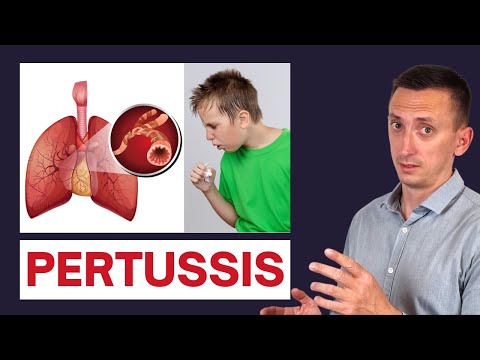
Whooping cough, also known as pertussis, is an infectious disease that can be quite serious, especially for infants. Picture it like a persistent, deep cough that sounds like a “whoop” when someone breathes in. Understanding whooping cough is important for everyone because it can spread easily and lead to severe complications if not addressed properly.
This article will help you recognize the signs of whooping cough, explore effective treatment options, and discuss ways to prevent outbreaks in your community. By being informed, you not only protect yourself but also help safeguard those around you.
However, it’s essential to stay informed through various reliable sources. Knowledge is your best defense against health misinformation. Different specialists and trustworthy media can provide valuable insights into whooping cough and general health guidelines. So let’s dive into this topic together—curiosity has the power to empower!
The information provided in this article is intended solely for general informational and educational purposes. It does not constitute medical advice, diagnosis or professional treatment, and should not be considered a substitute for consultation with a qualified doctor or other licensed healthcare professional. Any health-related decisions should be made in consultation with accredited medical professionals.
While efforts have been made to ensure the information is accurate and up to date, no guarantees are given—either express or implied—regarding its accuracy, completeness, currency or suitability. Use of this information is at your own discretion.
It is strongly recommended to consult official sources such as the NHS (National Health Service) or other recognised medical institutions before acting on any information contained on this website or article. Under no circumstances should professional medical advice be ignored or delayed due to content read here.
This content is of a general and informational nature only. It is not intended to replace individualised guidance from a healthcare professional or to establish any doctor-patient relationship. The publication of this information does not imply any professional responsibility, guarantee or obligation on the part of the author or this site.
Understanding the Steps to Keep You and Your Family Safe from Whooping Cough
Whooping cough, also known as pertussis, is a highly contagious respiratory illness. It is caused by bacteria and can be serious, especially for young children. Understanding how to keep you and your family safe is crucial.
Recognizing the Symptoms
The symptoms often start like a common cold. You might notice a runny nose, mild fever, or coughing. After a week or two, the cough gets worse. It can become intense and lead to long coughing fits followed by a “whooping” sound as you gasp for air.
Treatment Options
If someone has whooping cough, it’s important to consult with a healthcare provider. They might prescribe antibiotics. These can help lessen the severity if taken early on.
Prevention is Key
One of the best ways to protect against whooping cough is vaccination. The DTaP vaccine is recommended for infants and children, while adults should get the Tdap booster.
Keep Up with Immunizations
Make sure all family members are up-to-date on their vaccinations. This includes pregnant women getting vaccinated during pregnancy to protect newborns.
Washing hands regularly can help prevent germs from spreading. Teach your kids to wash their hands before eating and after using the restroom.
If someone in your household has a persistent cough or other symptoms of whooping cough, try to limit contact with others until they are treated.
Keep an eye on outbreak news in your area. Being aware can help you take timely precautions if needed.
Caring for Someone Sick
If someone in your home gets sick, encourage rest and plenty of fluids. This helps keep them comfortable while their body fights off the infection.
Always remember that open communication with healthcare providers plays an important role in managing health concerns effectively.
In summary, staying informed about whooping cough helps protect you and your family from outbreaks. Vaccination, hygiene practices, and awareness are key steps toward safety!
Effective Remedies and Strategies for Relief from Whooping Cough
Whooping cough, or pertussis, is a highly contagious respiratory disease. It causes severe coughing fits that can make it hard to breathe. Recognizing and managing whooping cough early is important.
Recognizing Symptoms:
The first symptoms often look like a cold: runny nose, sneezing, and mild fever. After about a week, intense coughing starts. The cough sounds like a “whoop” as the person tries to breathe in quickly after coughing.
Treatment Options:
While antibiotics can help if started early, other strategies play an important role in relief.
Cough Management: Young children may struggle with the severity of their coughs. Gentle pats on the back during coughing fits can help them feel better.
Soothe the Throat:
Honey is often recommended for children over one year old as it can coat the throat and reduce irritation. Always avoid honey for babies under one due to risk of botulism.
Cough Medicine Caution:
Over-the-counter cough medicines are not always effective for whooping cough and should be used with care. Always talk about these options with someone knowledgeable about health.
Your Immune System: Rest helps your body fight infection more effectively. Make sure to get enough sleep and consider eating balanced meals.
Preventing Outbreaks:
Vaccination is key in preventing whooping cough outbreaks. The DTaP vaccine protects young children while Tdap offers protection for older kids and adults too.
It’s also wise to keep sick individuals away from vulnerable populations like infants or pregnant women until they recover completely.
In summary, understanding whooping cough helps you react appropriately if it occurs in your community or family. Use supportive measures wisely while keeping communication open with healthcare professionals for guidance tailored to your situation.
Essential Steps to Safeguard Your Community from Whooping Cough
Whooping cough, known medically as pertussis, is a highly contagious respiratory illness. It can lead to severe coughing fits and even complications in vulnerable groups. Understanding how to protect your community from whooping cough is crucial.
Vaccination is the first step. The DTaP vaccine protects infants and young children. The Tdap booster is recommended for preteens, teens, and adults. Keeping vaccination records updated helps create herd immunity.
Recognizing symptoms early is important. A persistent cough that sounds like a “whoop” can indicate whooping cough. Other signs may include runny nose or mild fever. If someone in your area shows these symptoms, it’s vital they see a healthcare provider promptly.
Promote good hygiene. Encourage regular hand washing with soap and water, especially after coughing or sneezing. Using tissues to cover mouths during coughs helps prevent the spread of germs.
Isolate those infected. If someone has been diagnosed with whooping cough, they should stay home until at least five days of antibiotics have been taken. This minimizes the risk of spreading the infection.
Educate others. Share information about whooping cough prevention through community centers and schools. Knowledge empowers people to recognize symptoms and seek help quickly.
Regularly disinfect surfaces that people touch often can help minimize germs spreading around your community.
In conclusion, safeguarding your community from whooping cough involves vaccination, recognition of symptoms, hygiene practices, isolation of infected individuals, and education on prevention strategies. Remember that each small action contributes to the health of everyone around you!
Whooping cough, or pertussis, is a highly contagious respiratory disease caused by the bacterium Bordetella pertussis. Recognizing the signs of whooping cough is crucial for timely treatment and preventing outbreaks. The hallmark symptom is a severe coughing fit that may end with a “whooping” sound as the person inhales deeply.
Early recognition can lead to antibiotic treatment, which reduces the severity of symptoms and helps prevent spreading the infection to others. It’s important to remember that not everyone will have the classic whooping sound, especially infants and vaccinated individuals who may exhibit milder symptoms.
Prevention primarily involves vaccination. The DTaP vaccine for children and Tdap booster for adolescents and adults are effective defenses against whooping cough. Keeping vaccinations up to date is key in safeguarding not just individual health but community health as well.
Public education plays a significant role in preventing outbreaks. Understanding how whooping cough spreads—mainly through droplets when an infected person coughs or sneezes—is essential. This highlights the importance of good respiratory hygiene, such as covering one’s mouth when coughing.
In conclusion, recognizing symptoms early, treating effectively with antibiotics, and maintaining proper vaccination schedules can significantly reduce the incidence of whooping cough outbreaks. Awareness and informed action are our best tools in combating this preventable disease.