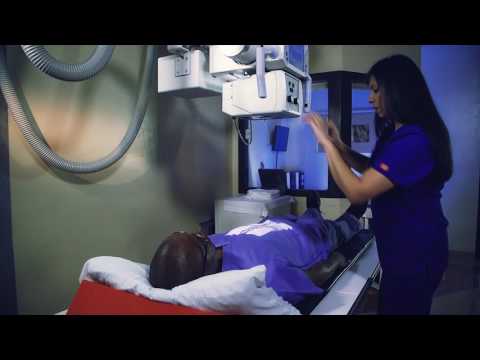
X-rays are fascinating tools that allow us to peek inside the human body without making a single incision. Think of them as invisible cameras capturing images of our bones and certain soft tissues. They help healthcare providers diagnose issues like fractures, infections, and even tumors. By bouncing X-ray beams off your body, they produce detailed images that can guide treatment decisions.
When you arrive for an X-ray, you may feel a mix of curiosity and nervousness. It’s completely normal! The process is usually quick and painless. You’ll be asked to stay still for a few moments while the machine does its job. Some people might wonder about safety; however, the amount of radiation used in a standard X-ray is quite low and generally considered safe.
What to Expect:
The information provided in this article is intended solely for general informational and educational purposes. It does not constitute medical advice, diagnosis or professional treatment, and should not be considered a substitute for consultation with a qualified doctor or other licensed healthcare professional. Any health-related decisions should be made in consultation with accredited medical professionals.
While efforts have been made to ensure the information is accurate and up to date, no guarantees are given—either express or implied—regarding its accuracy, completeness, currency or suitability. Use of this information is at your own discretion.
It is strongly recommended to consult official sources such as the NHS (National Health Service) or other recognised medical institutions before acting on any information contained on this website or article. Under no circumstances should professional medical advice be ignored or delayed due to content read here.
This content is of a general and informational nature only. It is not intended to replace individualised guidance from a healthcare professional or to establish any doctor-patient relationship. The publication of this information does not imply any professional responsibility, guarantee or obligation on the part of the author or this site.
What They Reveal:
X-rays provide invaluable insights into many medical conditions. They can reveal broken bones, arthritis, infections in the lungs, and even dental issues lurking beneath the surface.
However, it’s important to approach any medical procedure with knowledge and caution. Please remember: While X-rays are mostly safe, they should only be performed when necessary. Always discuss potential risks with your healthcare provider and seek information from various specialists or trusted sources before proceeding with any diagnostic exams. Informed decisions help protect your health!
Unlocking the Secrets Hidden Beneath the Surface
X-rays are a common tool used in healthcare to look inside the body without making any cuts. They help doctors see bones, organs, and tissues in ways that a simple physical examination can’t.
When you get an X-ray, it’s like taking a picture of your insides. The machine sends out invisible rays that pass through your body. Some parts, like bone, stop more rays than soft tissues do. This creates an image on a special film or digital sensor.
What to Expect During an X-Ray:
Many people worry about radiation exposure. It’s important to note that the amount of radiation from an X-ray is very low. Comparable to the amount you get naturally from the environment over several days.
What X-Rays Can Reveal:
While X-rays are great for viewing structures beneath the surface, they don’t provide information about everything. Not all issues can be seen with this method alone.
Myths About X-Rays:
Understanding what happens during an X-ray can ease anxiety and help you make better health choices. If you’re ever unsure or curious about why you need one, don’t hesitate to ask your healthcare provider! They can give you clear answers tailored just for you.
Demystifying the Process and Easing Your Mind
X-rays are a common medical imaging technique. Many people feel anxious about the process and what it might reveal. Let’s demystify this procedure and put your mind at ease.
When you arrive for an X-ray, the staff will guide you through each step. Typically, you’ll be asked to change into a gown to keep clothing from interfering with the images.
Once you’re ready, you’ll stand or lie down in front of a large machine. It looks intimidating, but it’s just there to take pictures of your insides. The technician will position you carefully to get the best view.
Some key points about X-rays:
While it’s natural to worry about radiation exposure, modern X-ray machines are designed to use as little as possible. Think of it like getting a tiny dose of sunlight; brief exposure won’t harm you.
After the X-ray, a radiologist interprets the images. They look for fractures, infections, or other conditions. You won’t get results immediately but rest assured it’s part of a thorough process.
Here are some myths about X-rays:
Understanding what happens can help reduce fear. Remember that millions have safely undergone this simple procedure without issues.
If you’re still concerned or have questions afterward, don’t hesitate to ask your healthcare provider. They’re there to support you on this journey toward better health!
Discover the Hidden Insights X-rays Reveal About Your Health
X-rays are a common tool in medicine, and they can reveal much about our health. Think of them like a photograph of the inside of your body. They help visualize bones, organs, and tissues.
When you get an X-ray, it uses a type of radiation to create images. These images show different densities in your body. For example, bones appear white because they are dense. Soft tissues, like muscles and fat, show up as shades of gray.
What can X-rays tell us?
It’s important to understand what X-rays do not show as well. They aren’t detailed enough to see everything inside your body. For instance, they can’t effectively display soft tissue injuries or certain organs.
Why do we need X-rays?
They provide valuable information that helps guide treatment decisions. Without them, diagnosing certain conditions would be challenging and could lead to delays in care.
However, some people worry about radiation exposure from X-rays. The amount used is generally low and considered safe for diagnostic purposes. It’s essential to discuss any concerns with your healthcare provider before the procedure.
Ultimately, X-rays are just one piece of the puzzle when it comes to understanding health issues. Other tests and evaluations often complement their findings for a complete picture.
Remember that while useful, X-rays shouldn’t be seen as a catch-all solution for health problems. Always talk with a healthcare professional about your specific needs and any questions you might have regarding imaging tests like X-rays.
X-rays are a vital tool in modern medicine, providing crucial insights into our health. They use a small dose of radiation to create images of the inside of our bodies. When you think about X-rays, imagine them as being like a camera that captures the shadows cast by different tissues and structures within you.
What to Expect: During an X-ray exam, you’ll typically be asked to remove any jewelry or clothing that could interfere with the image. You’ll stand or lie in specific positions to ensure the radiologist captures clear pictures. The process is quick and generally painless. It’s akin to sitting for a photograph, where you may need to hold still for just a few moments.
What They Reveal: X-rays primarily help in diagnosing broken bones, infections, tumors, and other abnormalities. They give us a view similar to looking through walls—showing us what’s happening beneath the surface without needing invasive procedures.
It’s important to note that while X-rays can be incredibly informative, they do involve exposure to low levels of radiation. However, the benefits often outweigh these risks when it comes to diagnosing health issues effectively.
In summary, understanding what an X-ray entails can ease anxiety around the procedure and enhance your appreciation for how these images contribute significantly to diagnostic care. Always feel free to ask questions or express concerns during your appointment; informed patients make better choices about their health.