The information provided in this article is intended solely for general informational and educational purposes. It does not constitute medical advice, diagnosis or professional treatment, and should not be considered a substitute for consultation with a qualified doctor or other licensed healthcare professional. Any health-related decisions should be made in consultation with accredited medical professionals.
While efforts have been made to ensure the information is accurate and up to date, no guarantees are given—either express or implied—regarding its accuracy, completeness, currency or suitability. Use of this information is at your own discretion.
It is strongly recommended to consult official sources such as the NHS (National Health Service) or other recognised medical institutions before acting on any information contained on this website or article. Under no circumstances should professional medical advice be ignored or delayed due to content read here.
This content is of a general and informational nature only. It is not intended to replace individualised guidance from a healthcare professional or to establish any doctor-patient relationship. The publication of this information does not imply any professional responsibility, guarantee or obligation on the part of the author or this site.
Ever wake up feeling like you haven’t slept at all, even after a full night in bed? You’re not alone. Sleep apnea affects millions of people and can really impact your daily life. It’s more than just snoring; it can lead to serious health issues.
Your sleep apnea care team plays a crucial role in your journey toward better sleep. These are the trained professionals who understand what you’re going through and know how to help. They can identify the root causes of your sleep disturbances and guide you through effective treatment options.
This article will introduce you to the members of your care team, like sleep specialists, nurses, and possibly even dietitians. Each one brings unique skills to help you tackle sleep apnea head-on. Understanding who they are and how they work together can empower you to take control of your health.
Just remember, while this information is helpful, it does not replace professional medical advice. Always consult a healthcare professional when making decisions about your health!
Uncovering the Hidden Dangers of a Silent Breathing Disorder
Understanding Sleep Apnea
Sleep apnea is a condition where your breathing repeatedly stops and starts during sleep. It might sound scary, but many people have it and don’t even know. It’s like running a marathon while sleeping—your body is working hard, but you’re not aware of it.
What Happens During Sleep Apnea?
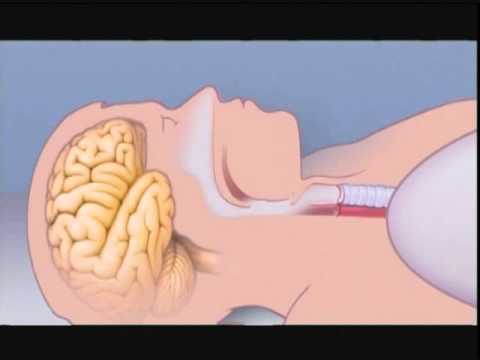
When you have sleep apnea, your airway can become blocked. This blockage can be caused by excess weight, throat muscles that relax too much, or other factors. Think about it like trying to breathe through a straw that’s been squished—it’s hard work! Each time your airway closes, you might wake up briefly without even remembering.
The Silent Symptoms
You might not notice the symptoms of sleep apnea yourself. Often partners or family members will see signs like loud snoring or gasping for air at night. But there are other issues that can fly under the radar.
- Daytime fatigue
- Mood changes or irritability
- Difficulties with concentration
- Frequent headaches in the morning
Your Care Team: Who Are They?
Your sleep apnea care team includes various professionals who work together to help manage this condition. They’re like the pit crew for your overall health during sleep!
- Pulmonologist: A lung doctor who specializes in breathing issues.
- Sleep Specialist: A physician focusing on diagnosing and treating sleep disorders.
- Dentist: Yes! Some dentists can craft mouthpieces to keep your airway open while sleeping.
- Nurse or Sleep Technician: These are the people who conduct tests like polysomnography (a fancy word for sleep study).
The Importance of Diagnosis and Treatment
If untreated, sleep apnea can lead to serious problems such as heart disease or diabetes. It’s kind of like ignoring a small leak in a roof—eventually, it could cause significant damage if left unchecked!
Common Myths About Sleep Apnea
- You must be overweight to have it: While extra weight increases risk, anyone can develop sleep apnea.
- Kids can’t get sleep apnea: Actually, children sometimes face this issue too!
- If I don’t snore, I don’t have it: Snoring isn’t always present; some people breathe silently but still have problems.
Taking Charge of Your Health
If you suspect you might have sleep apnea or notice symptoms in someone close to you, don’t hesitate—reaching out for help is crucial! Early detection means better management options down the road. Your care team will work with you closely to find treatments tailored just for you.
Discover the Latest Innovations to Restore Your Peaceful Sleep
Your Sleep Apnea Care Team: Who They Are and How They Help
Sleep apnea is a condition that affects many people, often without them even realizing it. It causes interruptions in breathing during sleep, leading to poor rest. Thankfully, a whole team of professionals can help manage this condition.
The primary person you might work with is your primary care physician. They’re like your central hub. They’ll help you understand sleep apnea and may refer you to other specialists, depending on your needs.
Sleep Specialists
Next up, we have sleep specialists. These folks regularly study sleep disorders. You know, they even run sleep studies at dedicated centers where they monitor how well you snooze. Think of them as detectives solving the mystery of your sleepless nights.
Respiratory Therapists
Then there are respiratory therapists who focus on your breathing patterns during sleep. If you’re using devices like CPAP machines—those machines that help keep your airway open—they’re the ones who will show you how it works and troubleshoot any issues.
Nurses and Technicians
Nurses and sleep technicians also play vital roles in this journey. They’re involved in conducting those overnight sleep studies I mentioned earlier, gathering all sorts of data about how you breathe while you dream.
Dieticians and Nutritionists
You might not think about diet when it comes to sleep apnea, but nutrition matters too! Dieticians or nutritionists can provide insights into healthy eating habits that may improve your overall health and even assist with weight management—weight being a common factor affecting sleep apnea severity.
Your Support System
Don’t forget about family or friends—they’re crucial too! Their support can make a significant difference in navigating treatment plans or simple day-to-day encouragement.
The Latest Innovations for Sleep Apnea
I’m sure you’ve heard about tech advancements nowadays—it’s kind of incredible! There are new devices coming out aimed at helping treat sleep apnea more effectively than ever before. Some innovative options now include wearable tech that monitors your breathing and gives feedback right on your smartphone!
- Dronabinol: This is made from cannabis extracts; preliminary research hints it might impact REM sleep positively for some individuals.
- Positional Therapy Devices: These gadgets gently nudge sleepers who tend to roll onto their backs—this position can worsen symptoms for many people with obstructive sleep apnea.
- Surgical Options: New techniques are constantly being developed to correct anatomical issues contributing to airway blockages during rest.
The truth is—while these innovations sound promising—you should still consult with members of your care team before making any decisions based on new treatments or gadgets out there!
Create a personalized approach based on discussions with those who understand your specific situation best.
If you’re struggling with getting quality nighttime rest, reaching out to the right people makes all the difference. Trust the process; it might take some time but finding the right combination for better zzz’s is worth it!
Find Local Specialists to Help You Breathe Easy at Night
Understanding Sleep Apnea
Sleep apnea is a condition where your breathing repeatedly stops and starts while you sleep. It can lead to daytime fatigue, irritability, and even more serious health issues. Many people don’t realize they have it until someone points it out. You know, like when a partner hears heavy snoring or notices gasping for air at night.
Why Seek Help?
If you suspect you might have sleep apnea, finding local specialists is crucial. They can assess your situation and recommend personalized care plans. These specialists help ensure you’re getting quality sleep, which affects overall health.
Who’s on Your Sleep Apnea Care Team?
- Pulmonologist: This is a lung specialist who can evaluate your breathing issues.
- SLEEP MEDICINE PHYSICIAN: These doctors specifically focus on sleep disorders and will understand the ins and outs of sleep apnea treatments.
- DENTIST: Some dentists specialize in creating devices to keep airways open during sleep.
- REGISTERED SLEEP TECHNICIAN: They conduct sleep studies to diagnose your condition properly.
The Role of Each Specialist
Your pulmonologist evaluates overall lung function and checks for conditions like asthma that may complicate matters. The sleep medicine physician dives deep into your specific sleeping troubles, suggesting tests if needed. It’s sort of like putting together a puzzle—they need all the pieces to see the full picture.
A dentist might create an oral appliance that shifts the jaw slightly forward to keep the airway clearer at night. Sometimes these devices are more comfortable than traditional CPAP machines—you know, those noisy masks! And then there’s the registered sleep technician who assists during overnight studies. They monitor various functions while you snooze to gather important data on how your breathing changes throughout the night.
Finding Specialists in Your Area
You could start with online searches using terms like “sleep apnea specialist near me.” Local hospitals often have resources or recommendations for clinics that focus on this issue. Also consider checking reviews—past patients’ experiences can give valuable insights into what to expect from a particular doctor or clinic.
Your primary care doctor might also refer you directly to trusted colleagues in this field. And honestly? Never hesitate to ask about their experience with treating sleep apnea—it’s totally okay!
The Benefits of Seeking Care
Taking steps towards treatment can greatly improve quality of life. Imagine waking up feeling rested instead of exhausted? That could mean more energy for daily activities or even just enjoying life better overall.
The Bottom Line
If you find yourself struggling with restful nights or feel tired during the day, reaching out for help can make a difference! Remember: addressing any doubts early helps prevent potential complications down the road.
Your Sleep Apnea Care Team: Who They Are and How They Help
Sleep apnea is a condition that affects your breathing while you sleep. It can make you feel tired during the day, even after a full night’s rest. Managing this issue often takes a team of skilled professionals.
First up, there are sleep specialists. These doctors focus specifically on sleep disorders. They usually start with a thorough evaluation, which may involve sleep studies to see how you breathe at night.
Next, you’ll likely meet respiratory therapists. They’re like coaches for your lungs. If you’re prescribed CPAP (Continuous Positive Airway Pressure) therapy, they’ll help set it up and teach you how to use it properly.
Your primary care physician plays a key role as well. This doctor knows your overall health history and can coordinate your care across different specialists.
If lifestyle changes are needed, nutritionists or dietitians might join the team too. Weight management can significantly impact sleep apnea symptoms, and these professionals provide valuable guidance.
Lastly, psychologists or support groups can be part of this journey too; many people benefit from talking about their experiences and getting emotional support.
So, think of it as a group effort where each member brings unique skills to the table. With their expertise combined, they work together to create a tailored approach for managing your sleep apnea effectively.