The information provided in this article is intended solely for general informational and educational purposes. It does not constitute medical advice, diagnosis or professional treatment, and should not be considered a substitute for consultation with a qualified doctor or other licensed healthcare professional. Any health-related decisions should be made in consultation with accredited medical professionals.
While efforts have been made to ensure the information is accurate and up to date, no guarantees are given—either express or implied—regarding its accuracy, completeness, currency or suitability. Use of this information is at your own discretion.
It is strongly recommended to consult official sources such as the NHS (National Health Service) or other recognised medical institutions before acting on any information contained on this website or article. Under no circumstances should professional medical advice be ignored or delayed due to content read here.
This content is of a general and informational nature only. It is not intended to replace individualised guidance from a healthcare professional or to establish any doctor-patient relationship. The publication of this information does not imply any professional responsibility, guarantee or obligation on the part of the author or this site.
Ever found yourself feeling like a balloon, just too full and uncomfortable? You’re definitely not alone. Constipation is a common issue that affects many people at some point in their lives. It’s frustrating, right? The good news is that your diet can play a huge role in easing those uncomfortable moments.
This article dives into 17 foods that can help alleviate constipation and boost your digestive health. Think of them as little heroes for your gut! From fiber-packed fruits to whole grains, these foods are not only delicious but also essential for keeping things moving smoothly.
You might be wondering why this matters. Well, improving digestion can have a direct impact on your overall well-being. Better digestion means more energy, improved mood, and even clearer skin! It’s all connected.
Remember, though—this content isn’t a substitute for professional medical advice. If you’re experiencing chronic issues, it’s always wise to consult with a healthcare professional before making any significant changes to your diet.
Find Relief Naturally: Discover the Foods That Help Ease Constipation
Understanding Constipation
Constipation can feel really uncomfortable. It’s usually defined as having fewer than three bowel movements a week, often accompanied by hard stools. Many people experience it at some point in their lives, and the causes can vary widely.
Diet plays a huge role in digestion. Eating the right foods can help support regularity and overall digestive health. Some foods are better than others for easing constipation.
Foods That May Help
- High-Fiber Foods: Fiber is essential for healthy digestion. Foods like whole grains, legumes, fruits, and vegetables are rich in fiber.
- Prunes: Prunes are famous for helping with bowel movements. They contain fiber and natural sugars that can aid digestion.
- Berries: Strawberries and raspberries pack a punch with fiber. Toss them into yogurt or oatmeal for an extra boost.
- Chia Seeds: These tiny seeds expand when soaked in water, which can help soften stool.
- Kiwifruit: Kiwi has more fiber than many other fruits and contains enzymes that assist digestion.
- Aloe Vera: Though often known for its skin benefits, aloe vera juice may help ease constipation as well.
- Pumpkin: This veggie is rich in both fiber and moisture, which helps keep things moving smoothly through your intestines.
The Importance of Hydration
You know? Drinking enough water is also critical! If you consume a lot of fiber but don’t drink enough fluids, it can actually worsen constipation. Aim for several glasses throughout your day to help things flow more easily!
A Balanced Approach
Easing constipation isn’t just about one food; it’s about a balanced diet as a whole. Combine different food sources that you enjoy to help support your digestive health over time.
The Role of Exercise
Dont forget! Physical activity also contributes significantly to digestive health by encouraging bowel movement through muscle contractions in the intestines. Even going for a walk or doing light stretches can make a difference!
Myths Around Constipation Relief
You might hear different myths about constipation relief—like relying solely on certain teas or supplements without addressing diet or lifestyle changes. It’s essential to approach this holistically instead of looking for quick fixes.
Your Unique Needs
Please remember that everyone’s body reacts differently; what works for one person may not work for another. If you’re experiencing ongoing issues with constipation, consider reaching out to someone who specializes in nutrition or digestive health for tailored advice that’s best suited to you!
A Closing Thought
Navigating your diet to ease constipation takes some experimentation—try incorporating these foods gradually into your meals and see how you feel! It might be surprising how certain changes positively impact your digestive system over time!
Find Fast-Acting Solutions for Immediate Comfort
Understanding Constipation and Its Relief
Constipation can be uncomfortable, right? It’s that feeling when things aren’t moving smoothly in your digestive system. We all encounter it from time to time, often due to a low-fiber diet, dehydration, or even stress.
When looking for fast-acting solutions for immediate comfort, one popular approach involves certain foods. Let’s delve into some options that can help ease constipation and promote digestive health.
Fiber-Rich Foods
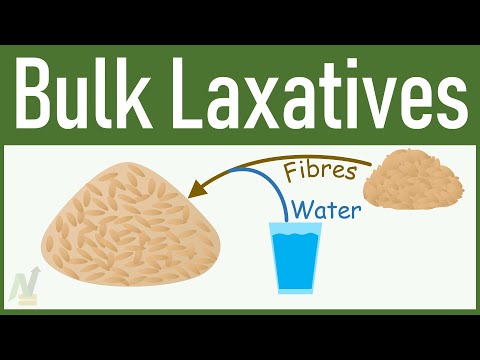
The thing is, fiber plays a vital role in digestion. It adds bulk to your stool and helps it move through the intestines. You might want to try:
- Pears: They’re juicy and high in fiber. Just eating one can help you feel more regular.
- Apples: With both soluble and insoluble fiber, they are great for digestion.
- Berries: Blueberries and raspberries are not just delicious; they have lots of fiber too!
- Bread:** Whole-grain bread is typically more effective than white bread because of its higher fiber content.
Hydration Matters
You know what? Staying hydrated is key too. Water helps the fiber do its job properly. If you’re drinking less water than needed, your body can struggle with bowel movements. Aim for enough fluids throughout the day!
Dairy Products
If you’re a fan of dairy, some products can also assist! Yogurt contains probiotics—those friendly bacteria that aid digestion. Probiotics might help regulate your intestinal flora which could lead to better bowel movements.
Pumping Up the Veggies
Vegetables can be lifesavers here. Spinach and broccoli not only offer vitamins but are also high in fiber which contributes positively to gut health.
- Spinach: This leafy green has magnesium which may facilitate easier bowel movements.
- Broccoli: Another veggie packed with fibers—it’s versatile too!
Nuts and Seeds
Nuts such as almonds or walnuts contain healthy fats along with a good amount of fiber. They might just provide that gentle push your system needs.
- Chia seeds: These tiny seeds swell when wet—work wonders for stool bulk!
A Few Words on Over-the-Counter Options
If food feels slow to work sometimes over-the-counter options exist like laxatives as an alternative but consult someone knowledgeable before starting any new regimen or product.
The Bottom Line
You know, everyone’s body reacts differently to foods. What works wonders for one person may not have the same effect on another person! It’s important keep experimenting until you find what suits you best while focusing on a balanced diet overall.
If constipation becomes persistent or severe it’s really smart chatting with a healthcare provider who can guide you through next steps more accurately—sometimes additional factors play into digestive issues after all!
Nourishing Choices for a Happier Digestive Journey
When it comes to digestion, the foods we eat play a huge role, you know? It’s all about making choices that support our bodies. So, let’s talk about some foods that can help alleviate constipation and boost overall digestive health.
1. Fiber-Rich Fruits
Fruits are great for your gut! Apples, pears, and berries are packed with fiber. Think of fiber as a broom for your intestines—it helps sweep things along. Eating these fruits with the skin on can increase their fiber content.
2. Leafy Greens
Dark leafy greens like spinach and kale aren’t just good for salads; they’re also loaded with nutrients and fiber. Consider them as nature’s multi-vitamins. They not only fill you up but also help keep things moving through your digestive tract.
3. Whole Grains
Switching to whole grains like brown rice or whole wheat bread adds more fiber to your diet. Fiber helps keep you regular by adding bulk to your stool. Imagine it as providing more “material” for your body to work with.
4. Beans and Legumes
Beans are fantastic! They’re not only inexpensive but also rich in both protein and fiber. Foods like lentils or chickpeas can really help improve digestion. Just remember that soaking beans before cooking them can make them easier to digest.
5. Nuts and Seeds
Nuts such as almonds or walnuts, together with seeds like chia or flaxseeds, are excellent snacking choices that’ll promote gut health too! These little guys pack lots of nutrients while providing healthy fats and further increasing fiber intake!
6. Yogurt and Fermented Foods
Dairy products like yogurt contain probiotics—these are helpful bacteria that can improve gut health! Probiotics support the balance of good bacteria in your digestive system, kinda like having a friendly team in there helping you out!
7. Healthy Fats
Diets low in fat can actually slow down digestion sometimes! Including healthy fats from avocados or olive oil provides energy while aiding digestion too! Think of it this way: fats help lubricate the system!
The Importance of Hydration
You may be surprised how important drinking water is for digestion! Staying hydrated softens stool which prevents constipation from happening in the first place—kind of like keeping everything slick and moving along smoothly.
The Bottom Line
Nourishing choices mean finding a balance between different food groups that promote better digestive health; it’s not just about one magic food doing all the work, okay? By incorporating these recommendations into meals gradually, you might find enjoy more comfort during digestion over time.
Constipation can be a frustrating experience. You know, it feels like your body is just holding on to things it should let go. In my journey through nutrition and digestive health, I’ve come across various foods that can really make a difference.
The list of “17 Foods to Alleviate Constipation and Improve Digestive Health” is packed with options that not only ease discomfort but also support gut health overall. For instance, fiber-rich foods like whole grains and legumes encourage regular bowel movements by adding bulk to stools.
Fruits and vegetables are also stars in this category. Foods like prunes and pears are famous for their natural laxative effects. They contain sorbitol—a type of sugar alcohol that draws water into the intestines, softening the stool.
Then there’s yogurt! It contains probiotics, which are beneficial bacteria for your gut. These little guys help balance the gut flora, making digestion smoother.
Hydration plays a crucial role as well. Drinking enough water complements fiber intake and helps keep things moving in the digestive tract.
This list encourages people to think about their diet consciously. A balanced approach to eating can significantly enhance one’s well-being over time. Remembering that small changes lead to improvements can motivate many towards healthier habits.
Ultimately, while these foods can help alleviate constipation, individual experiences may vary greatly. Listening to one’s body and adjusting dietary choices accordingly is key for everyone on their journey towards better digestive health.