The information provided in this article is intended solely for general informational and educational purposes. It does not constitute medical advice, diagnosis or professional treatment, and should not be considered a substitute for consultation with a qualified doctor or other licensed healthcare professional. Any health-related decisions should be made in consultation with accredited medical professionals.
While efforts have been made to ensure the information is accurate and up to date, no guarantees are given—either express or implied—regarding its accuracy, completeness, currency or suitability. Use of this information is at your own discretion.
It is strongly recommended to consult official sources such as the NHS (National Health Service) or other recognised medical institutions before acting on any information contained on this website or article. Under no circumstances should professional medical advice be ignored or delayed due to content read here.
This content is of a general and informational nature only. It is not intended to replace individualised guidance from a healthcare professional or to establish any doctor-patient relationship. The publication of this information does not imply any professional responsibility, guarantee or obligation on the part of the author or this site.
Have you ever looked in the mirror and wondered if there’s a better way to take care of your skin? The struggle for clear, healthy skin is something so many of us face, and it can be incredibly frustrating. Sometimes it feels like we try everything—from fancy creams to expensive treatments—and still don’t see the results we want.
Enter the derma roller. This small tool with tiny needles may sound a bit intimidating, but many people swear by it for improving skin health. It’s said to help with everything from fine lines to acne scars. But do they really work? Or is it just another trend that will fade away?
This article will dive into what derma rollers are, how they’re supposed to work, and whether there’s science backing their benefits. Along the way, we’ll explore what you should consider before trying one out yourself.
Remember, though—this content doesn’t replace medical advice. Decisions about your health should always involve consulting a healthcare professional first.
Unveiling the Secrets to Flawless Skin with Microneedling Magic
Understanding Microneedling
Microneedling, also known as collagen induction therapy, involves using tiny needles to create micro-injuries in the skin. Sounds intense, right? But it’s actually a controlled method that stimulates the body’s natural healing process.
How It Works
When you create these small wounds, your skin responds by producing more collagen and elastin. Think of these two proteins as the scaffolding of your skin—giving it structure and firmness. Over time, this might help with issues like wrinkles or scars.
Derma Rollers: A Common Tool
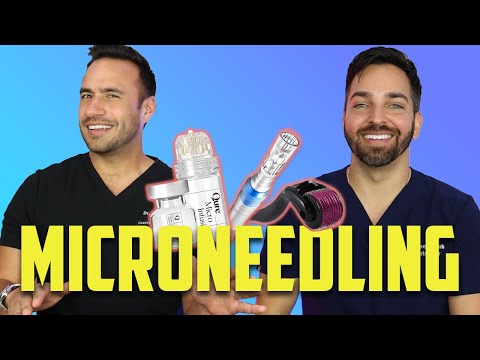
You may have heard of derma rollers. These handheld devices are designed for at-home microneedling. They consist of a roller head covered in small needles. Using them can mimic some effects of professional treatments.
Potential Benefits for Skin Health
- Smoother Texture: By encouraging new skin cells to form.
- Brightening Tone: May help reduce pigmentation issues.
- Tighter Skin: Boosts elasticity over time.
- Softer Scars: Can improve the appearance of acne scars or stretch marks.
The Healing Process
The key here is patience. After treatment, you might notice redness similar to a mild sunburn. It’s all part of the healing process as your skin repairs itself! Typically, this fades after a few days.
Cautions and Considerations
If you’re thinking about trying microneedling at home with a derma roller, be careful! It’s crucial to follow instructions properly to avoid damaging your skin or causing infections. And hygiene is super important; always clean the roller before and after use!
Real-Life Examples
You know how some people swear by their skincare routines? Well, many fans of microneedling share positive experiences online—claiming improvements in their skin texture and firmness after consistent use.
A Word on Myths
A common myth is that microneedling is painful, but honestly, many find it tolerable with numbing creams available beforehand. It’s not like getting a tattoo!
Your Journey with Microneedling
Your experience will vary based on your individual skin type and conditions; so it’s smart to pay attention to how your skin reacts post-treatment. Monitoring changes can help you understand what works for you—and what doesn’t.
If you’re unsure about whether it’s suitable for you or if you’d like more tailored advice, reaching out to a skincare professional might be wise!
Uncovering the Potential Drawbacks of Skin Microneedling
Understanding Microneedling
Microneedling is a cosmetic procedure that involves using tiny needles to create micro-injuries in the skin. The idea is that these little wounds trigger the body’s natural healing process, promoting collagen production. Collagen is super important for skin health; it helps keep your skin firm and youthful. But like any procedure, there are potential drawbacks to consider.
Possible Side Effects
One of the most common side effects of microneedling is redness and swelling. Think of it like a mild sunburn for a few days after treatment. It’s usually temporary, but it can still be frustrating if you have plans.
Some people also experience bruising or bleeding at the needle sites. This happens because the needles are breaking through the top layer of skin where lots of blood vessels are found. Most times this is minor, but it’s not something everyone wants to deal with.
Risk of Infection
Another concern with microneedling is infection. Anytime you break the skin, there’s a chance for bacteria to enter and cause problems. That’s why keeping things clean before and after treatment is crucial.
You know how when you get a small cut, some people recommend antibacterial ointment? Well, similar precautions apply here—using quality products post-treatment can help mitigate infection risks.
Scarring Possibility
You might have heard that some people end up with scars after microneedling. That could happen if too much pressure is applied or if treatments are done too frequently without allowing proper healing time in between.
A good rule of thumb? Listen to your skin; if it feels irritated or damaged, maybe give it more time before going for another session.
Not Suitable for Everyone
This isn’t one-size-fits-all! Certain skin conditions like eczema or active acne may not react well to microneedling. If your skin barrier isn’t strong enough or you have infections present, better skip this treatment until your condition improves.
Caution with Products
After treatment, your skin might be extra sensitive and absorb products differently than usual. So, using harsh chemicals right away could be tempting fate—your newly treated skin might react negatively!
Mental Health Considerations
If you’re considering microneedling purely based on social media hype or friends’ recommendations, think twice about that! There’s a possibility that expectations could lead to disappointment if results don’t match what was envisioned.
The Bottom Line
Please remember while microneedling can offer benefits like improved texture and reduced signs of aging for many people; it’s not without its drawbacks. Weighing both sides is super important; talk things over with someone who understands your specific needs before diving in!
Unveiling the Truth Behind Skin Transformation
Understanding Derma Rollers
Derma rollers, also known as microneedling devices, are tools that have tiny needles on them. When rolled across the skin, these needles create small punctures. This might sound a bit scary, but the thing is, these micro-injuries can stimulate the body’s healing response.
How Do They Work?
Picture it like this: when you get a cut, your body goes into repair mode. It sends collagen and elastin to help heal the area. Collagen is like a scaffolding that keeps your skin firm and youthful. So when you use a derma roller, it’s like encouraging your skin to rebuild itself.
Potential Benefits
- Improved Texture: Many people notice smoother skin after using these rollers.
- Reduced Scarring: Some studies suggest they can help with acne scars or stretch marks.
- Pore Size: There’s talk about reduced appearance of pores which is often sought after.
- Darker Spots: They may help lighten hyperpigmentation over time.
The Healing Factor
This might lead you to wonder—how long does it take for this healing to happen? Well, it varies from person to person. You might see some immediate redness or swelling after use which usually goes away in a day or two. But any real improvements could take weeks or even months of consistent use.
Sensitive Skin Concerns
If your skin is super sensitive or has active conditions like eczema or rosacea, you might want to be cautious. The tiny needles could irritate your skin more than help it in those cases. It’s helpful to consult with someone knowledgeable about your specific needs before diving in.
The Right Technique Matters
You know how sometimes people try DIY stuff and it doesn’t go quite right? Well, technique matters here! Rolling too hard or often can lead to redness that sticks around longer than you’d want. Gently rolling seems to be key for most folks.
The Importance of Hygiene
Using clean tools is essential! Just like using any skincare product—if it’s not clean, you risk introducing bacteria to your skin which can cause breakouts rather than improving things.
A Word About Products Used With Derma Rollers
A lot of people mix their routine with serums right after microneedling. This could potentially enhance results since the micro-channels allow better absorption of ingredients like hyaluronic acid which hydrates and plumps up the skin.
Your Journey Ahead
If you’re considering trying a derma roller for yourself, think about what you hope to achieve; whether it’s finer lines or just overall glowiness. Every person’s experience will vary widely based on their individual skins’ needs and reactions.
The bottom line? While there’s potential for benefits with derma rollers in improving skin health and healing over time—results aren’t guaranteed and depend heavily on various factors including your unique skin type!
Do Derma Rollers Help Improve Skin Health and Healing?
Derma rollers, often called microneedling devices, have gained popularity in the skincare world. The concept behind them is pretty straightforward: these rollers have tiny needles that create micro-injuries on the skin. This might sound alarming at first, but here’s the thing—these small wounds stimulate your body’s natural healing process.
When you roll this device on your skin, it prompts an increase in collagen and elastin production. Collagen is like the scaffolding for your skin; it keeps everything firm and youthful. More collagen can mean better texture, reduced scars, and fewer fine lines.
However, it’s important to note that results can vary widely from person to person. Some people see great improvements—less scarring or a more radiant complexion—while others may notice little difference at all. You might wonder: are these results backed by science? Well, some studies suggest real benefits from dermarolling for specific conditions like acne scars or stretch marks.
That said, safety is key here. Using a derma roller incorrectly can lead to side effects like infections or inflammation. Always ensure you’re using it cleanly and correctly—or better yet, consider consulting with a skincare professional before diving into it.
Also remember that while dermarollers can contribute to skin health, they shouldn’t replace a solid skincare routine. Good hydration, sun protection, and a balanced diet should always be part of your approach.
In summary? Derma rollers can help with skin health when used properly but take care to keep expectations realistic! They’re not miracle workers; they’re just one tool in the vast realm of skincare options.