The information provided in this article is intended solely for general informational and educational purposes. It does not constitute medical advice, diagnosis or professional treatment, and should not be considered a substitute for consultation with a qualified doctor or other licensed healthcare professional. Any health-related decisions should be made in consultation with accredited medical professionals.
While efforts have been made to ensure the information is accurate and up to date, no guarantees are given—either express or implied—regarding its accuracy, completeness, currency or suitability. Use of this information is at your own discretion.
It is strongly recommended to consult official sources such as the NHS (National Health Service) or other recognised medical institutions before acting on any information contained on this website or article. Under no circumstances should professional medical advice be ignored or delayed due to content read here.
This content is of a general and informational nature only. It is not intended to replace individualised guidance from a healthcare professional or to establish any doctor-patient relationship. The publication of this information does not imply any professional responsibility, guarantee or obligation on the part of the author or this site.
Have you ever felt that sharp pain in your heel every time you take a step? You’re not alone. Many people deal with plantar fasciitis, a condition that can turn even simple walks into a struggle. And honestly, it can really mess with your day-to-day life.
The good news is, there are ways to manage this discomfort right at home. In this article, we’ll explore eight self-help massages specifically designed to alleviate plantar fasciitis pain. These techniques can help ease tension in your feet and improve overall comfort.
You might be wondering why self-massage is so important. It’s about taking charge of your health and finding relief without always relying on medication or formal treatments. By understanding these simple techniques, you can empower yourself to manage pain effectively.
Keep in mind that while this content is informative, it isn’t a substitute for medical advice. It’s crucial to consult with a healthcare professional before trying new treatments or if your symptoms worsen.
Let’s dive into the world of self-help massages and get those feet feeling better!
Finding Relief for Your Aching Feet: The Ideal Massage Techniques for Plantar Fasciitis
Understanding Plantar Fasciitis
Plantar fasciitis is a common foot condition. It happens when the thick band of tissue, called the plantar fascia, gets inflamed. You know that sharp pain in your heel or bottom of your foot? That’s often a sign of this issue.
The plantar fascia connects your heel bone to your toes. If you have tight muscles or poor footwear, it can get overworked and hurt. Many people experience this, especially those who stand for long periods or are involved in sports.
Massage Techniques
So, how can you find relief? Massage is one technique that may help ease the pain. Let’s look at some self-help methods to massage your feet properly.
1. Tennis Ball Roll
This technique involves rolling a tennis ball under your foot. Start by sitting down and placing a tennis ball on the floor. Gently roll your foot over it.
Focus on areas that feel tight or tender. You don’t have to press super hard; just enough to feel some relief.
2. Hand Massage
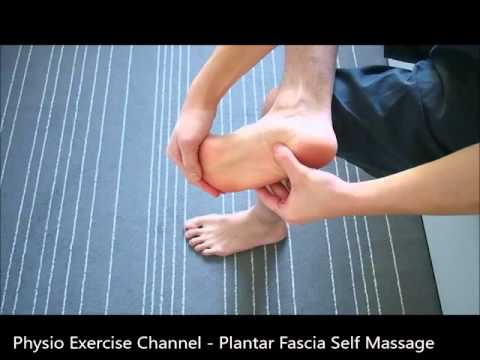
Your hands can also work wonders! Sit comfortably and cross one leg over the other knee. Use your thumbs to massage the arch of your foot.
Squeeze gently with circular motions for about five minutes on each foot. It’s an easy way to relax those tight areas.
3. Frozen Water Bottle
A frozen water bottle can be soothing too! Place a full water bottle in the freezer for a couple of hours, then roll it underfoot for some cold massage therapy.
The cool temperature helps reduce inflammation while providing gentle pressure on the arch and heel.
4. Calf Stretch Massage
Your calves play a big role in foot pain as well; tight calves can pull on the plantar fascia! Standing against a wall, stretch out one calf while pressing your back heel into the ground.
You might feel tension along this muscle; apply light pressure with your fingers to knead it gently as you stretch.
The Importance of Regular Practice
Certainly, it’s essential not to skip these exercises regularly if you’re finding them helpful! Making these massages part of your routine can contribute toward managing discomfort over time.
A Few Precautions and Considerations
- If you have any open sores or infections on your feet, avoid massaging those areas。
- If you experience increasing pain during any techniques stop immediately。
- No matter how great these methods are,if symptoms persist visiting someone trained might be necessary。
s
s
Final Thoughts
You know, self-massage techniques aren’t always going to solve everything overnight but they could be part of an overall strategy for improving comfort in daily activities! Listen to what works best for you—you might discover new ways to help relieve that aching feeling!
Unlock Soothing Relief for Tired Feet at Home
Understanding Tired Feet
Tired feet are a common complaint, right? After a long day of standing or walking, they can feel achy and heavy. This fatigue can be linked to various factors like poor footwear, long hours on your feet, or even underlying conditions like plantar fasciitis.
What is Plantar Fasciitis?
Plantar fasciitis is when the tissue on the bottom of your foot becomes inflamed. Think of this tissue as a thick band that connects your heel to the front of your foot. It’s important because it supports your arch and helps with movement.
Massage Techniques at Home
- The Tennis Ball Roll: You just need a tennis ball! Place it under your foot and roll it back and forth. It’s simple but effective for relaxation.
- Sole Squeeze: With both hands, apply gentle pressure to the bottom of your foot. Also helps relieve tension.
- Toe Stretch: Grab each toe and gently pull them apart and back. This technique helps lengthen the plantar fascia.
- Ankle Pumps: Sitting down, flex and point your toes several times. It increases blood flow to the area.
- The Calf Stretch: Stand against a wall with one foot behind you; keep that back heel on the ground while leaning forward into the wall. This stretch really targets those calf muscles!
- Sitting Foot Massage: While seated, rub your foot along your other knee using circular motions—great for overall relaxation.
- Kneading with Fingers: Use both thumbs to knead along the arch of your foot in circular motions—feels really nice after being on them all day!
- Cucumber Cool Down: If you want something refreshing, chill sliced cucumbers in water, then place them on tired feet for a cooling effect.
A Few Considerations
If you have ongoing pain or swelling in the feet that doesn’t go away after trying these methods, you might wanna reach out to someone who can help evaluate what’s going on. Sometimes it’s just normal tiredness but other times there could be more contributing factors at play here.
The Importance of Good Footwear
Your Body Knows Best
Discover Quick Relief Techniques to Get You Back on Your Feet
Understanding Plantar Fasciitis
So, let’s talk about plantar fasciitis. This is a common condition that causes heel pain and discomfort. You know, it happens when the tough band of tissue on the bottom of your foot gets inflamed. Think of it like a rubber band that’s stretched too far—it can hurt a lot.
Why Does It Happen?
Many folks experience this due to overuse—like running or standing for long periods. Sometimes it can be related to tight calf muscles or even flat feet. Picture trying to walk across a rocky surface barefoot; that’s how your feet might feel when they’re struggling with plantar fasciitis.
Self-Help Massage Techniques
Now, let’s dive into some self-help massages! These can be helpful in reducing pain and getting some relief. Remember, these are not substitutes for professional care but may add comfort.
1. Foot Rolling
Taking a tennis ball or a frozen water bottle, roll it under your foot gently. This provides nice pressure on the arches and helps reduce tension.
2. Hand Massage
Sit down and use your thumbs to massage the arch of your foot with firm pressure. Go in circular motions; honestly, you’ll feel those knots release slowly.
3. Toe Pulls
You can stretch out your toes by pulling them gently while keeping them straight on a flat surface like a chair or bed edge. It feels great to stretch out those little muscles!
4. Calf Stretch
If you’re sitting down, extend one leg straight out with the heel on the floor and toes pointing up—reach towards your toes for an effective calf stretch which could ease pressure on your feet.
5. Achilles Release
This one’s simple: find a wall, place your hands against it at shoulder height while stepping back with one leg straight behind you; keep that heel down and lean forward slightly until you feel that stretch in your achilles tendon.
A Few Words of Caution
Might sound straightforward—but don’t push too hard! If something feels wrong or if pain worsens during these techniques, step back for now.
The Bottom Line
Using these self-massage techniques could make daily life more bearable if you’re dealing with plantar fasciitis discomfort – but you should also consider speaking with someone knowledgeable if things don’t improve or become more frustrating!
- Pain from inflammation is common but manageable;
- Lifestyle changes might reduce future flare-ups;
- Keeps track of how often you find relief from these self-care tricks!
Reflection on Self-Help Massages for Plantar Fasciitis Pain
Plantar fasciitis can be a real pain, literally. It’s that sharp discomfort you feel in the heel or bottom of your foot, making walking a challenge. The condition arises when the plantar fascia, a thick band of tissue connecting your heel to your toes, becomes inflamed. Finding relief is crucial.
The article on “8 Self-Help Massages for Relieving Plantar Fasciitis Pain” provides practical strategies that many can incorporate into their daily routine. The emphasis on self-directed massage techniques is great because they empower individuals to take control of their healing process. You know, sometimes it feels good to do something proactive about our pain.
Each suggested massage technique is designed to target specific areas of tension and tightness in the foot and calf. For instance, using a tennis ball or even your hands can help release knots in the fascia. This builds awareness of how our muscles work and highlights the connection between them.
It’s interesting how something simple like rolling a ball underfoot can significantly reduce discomfort over time. This approach not only alleviates immediate pain but also encourages better foot mechanics as you strengthen those often neglected muscles.
The article acknowledges that while these self-help methods are beneficial, they shouldn’t replace professional medical advice if severe symptoms persist. That’s an important balance; understanding when to seek help is key.
Honestly, it’s rewarding to see articles like this that promote holistic approaches to health—putting knowledge into action and fostering independence in recovery are invaluable assets on any healing journey.
The Power of Self-Care
This focus on self-care through massage therapy serves as a reminder that we have tools at our fingertips for managing discomfort. Although plantar fasciitis can feel daunting at times, knowing there are effective measures available empowers individuals to reclaim their mobility and quality of life.