The information provided in this article is intended solely for general informational and educational purposes. It does not constitute medical advice, diagnosis or professional treatment, and should not be considered a substitute for consultation with a qualified doctor or other licensed healthcare professional. Any health-related decisions should be made in consultation with accredited medical professionals.
While efforts have been made to ensure the information is accurate and up to date, no guarantees are given—either express or implied—regarding its accuracy, completeness, currency or suitability. Use of this information is at your own discretion.
It is strongly recommended to consult official sources such as the NHS (National Health Service) or other recognised medical institutions before acting on any information contained on this website or article. Under no circumstances should professional medical advice be ignored or delayed due to content read here.
This content is of a general and informational nature only. It is not intended to replace individualised guidance from a healthcare professional or to establish any doctor-patient relationship. The publication of this information does not imply any professional responsibility, guarantee or obligation on the part of the author or this site.
Have you ever felt a sharp pain in your heel or the bottom of your foot, especially after a long day? You’re not alone. Many people struggle with plantar fasciitis, and it can feel like an uphill battle. This condition often creeps up on us—sometimes after too much walking or standing. The good news? There are effective strategies to help ease that discomfort.
This article is all about those strategies. We’ll dive into simple, practical ways to manage your plantar fasciitis pain. From stretching exercises to lifestyle changes, we’re covering it all. It’s important because knowing how to combat this pain can improve your daily life significantly.
But remember, this content doesn’t replace professional medical advice. It’s always wise to consult a healthcare provider when making decisions about your health. So let’s get into it and explore some solutions that could make those first steps of the day less painful!
A Simple Week-Long Journey to Pain-Free Feet
Plantar fasciitis is a common foot condition that causes pain, especially when you first get up in the morning. The good news? There are ways to manage this discomfort effectively. Let’s dive into some strategies that might help.
Understanding Plantar Fasciitis
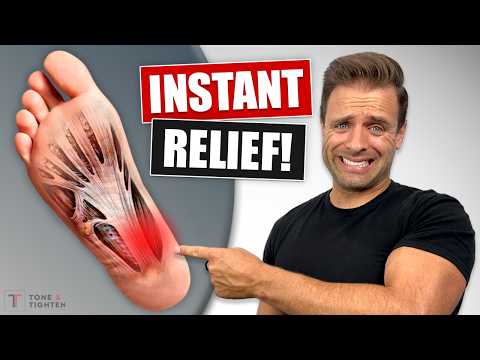
So, what’s happening in your foot? Well, the plantar fascia is a thick band of tissue connecting your heel bone to your toes. Think of it like a rubber band. If you overstretch it or put too much weight on it, it can become inflamed and painful.
Day 1: Rest and Ice
The first day might feel tough, but resting your feet is essential. Try not to do any activities that cause pain. Ice can be your best friend during this time; applying an ice pack for about 15-20 minutes can reduce swelling.
Day 2: Stretching Exercises
Gentle stretching can work wonders. Focus on stretches that target the calf muscles and the plantar fascia itself. For instance, simply standing on a step with your heels hanging off can stretch your arches nicely.
Day 3: Foot Support Matters
Your choice of shoes often makes all the difference. Look for supportive footwear with good arch support and cushioning. If you can’t find suitable shoes, consider over-the-counter arch supports—they’re easily available!
Day 4: Massage Therapy
A soothing foot massage may ease some tension in the fascia. Using a tennis ball or a frozen water bottle underfoot can provide relief by rolling out tight spots.
Day 5: Gradual Movement
If you’re feeling up for it, incorporating gentle activities like walking or swimming could be beneficial—just listen to your body! Remember not to push yourself too hard.
Day 6: Heat Therapy
After three days of ice, switching to heat can bring comfort too! A warm foot bath or heating pad can relax stiff muscles and improve blood flow—just don’t burn yourself!
Day 7: Reassess Your Routine
This last day is great for reflecting on what worked best for you during the week. Maybe it was those stretches or finding just-right shoes? Each person experiences plantar fasciitis differently.
- Listen to Your Body: It’s crucial; if something aggravates your condition, back off!
- Seek Professional Help: If pain persists beyond this simple week-long plan, consider talking to someone who specializes in feet—like a podiatrist.
- Avoid High-Impact Activities: Running or jumping may exacerbate pain; try gentler forms of exercise instead.
- Minding Your Weight:If overweight, shedding pounds gradually may relieve stress on those poor feet.
This journey doesn’t have an exact ending point; rather think of it as part of managing an ongoing process! Keeping awareness of how feet feel day by day helps maintain overall health and wellbeing.” Remember that everyone has unique experiences with plantar fasciitis—a little self-care goes a long way!
Finding Relief When Every Step Hurts
Understanding Plantar Fasciitis
So, what is plantar fasciitis? It’s a common foot condition where the thick band of tissue, known as the plantar fascia, becomes inflamed. This tissue runs from your heel to the front of your foot, supporting the arch.
If you’ve ever felt stabbing pain in your heel when you first get out of bed or after sitting for a while, it might be due to this issue. Pain typically eases up as you move around, but it can be really nagging at times.
What Causes It?
There are various reasons you might develop plantar fasciitis. Overuse is a big one. If you’re on your feet a lot—like teachers or nurses—you’re more likely to experience it.
Additionally, factors like being overweight, having flat feet or high arches can all contribute. Even wearing unsupportive shoes sometimes plays a role too; think flip-flops or worn-out sneakers.
Effective Strategies for Relief
If every step hurts, don’t despair! There are several strategies that may help lessen the pain and inflammation associated with this condition.
Stretching and Strengthening Exercises
You know how stretching feels good? Well, gentle stretches for your Achilles tendon and calf can make a difference. They help relieve tension on that pesky plantar fascia.
Strengthening exercises for your foot muscles also build support and may help prevent future problems. Think of it like building muscle in your legs to run better; strong feet mean better support!
Shoe Choices Matter
The right footwear can make all the difference! Shoes with good arch support and cushioning are key. Look for brands known for comfort—they’re not just about style!
A void walking barefoot or wearing flip-flops when possible since they offer little support.
Icing and Resting
Icing those sore spots can help reduce inflammation. Just wrap ice in a towel or use an ice pack on the affected area for about 15 minutes at a time.
And hey, don’t forget about rest! Sometimes just giving those feet some downtime works wonders.
Orthotics Can Be Helpful
If you need extra support, orthotic insoles are an option worth considering. They’re designed to provide stability and cushioning customized to your foot shape.
Coping with Chronic Pain
If you’re dealing with persistent pain from plantar fasciitis, it’s important to explore methods that promote relaxation too. Mindfulness techniques such as deep breathing or meditation may play a role in managing discomfort.
When To Seek Help
If you’ve tried multiple strategies without relief after several weeks—or if you’re experiencing severe pain—talking to someone who specializes in foot issues could be valuable.
The Road Ahead
The journey through pain doesn’t have to be walked alone. Remember there’s often no single solution but rather a combination of approaches that may lead toward relief over time.
Unlock Pain Relief and Enhance Your Foot Health with Simple Moves
Understanding Plantar Fasciitis
Plantar fasciitis can be a real pain, literally. It’s that stabbing pain you feel in your heel when you first get up in the morning or after sitting for a long time. This occurs because of inflammation of the plantar fascia, which is the thick band of tissue running across the bottom of your foot.
What Causes It?
There are a few reasons why plantar fasciitis might sneak up on you. High-impact activities like running or standing for long periods can trigger it. Also, being overweight adds extra stress to your feet. Sometimes, flat feet or high arches play a role too.
Simple Moves for Relief
You don’t need fancy equipment to tackle heel pain. There are some simple stretches and exercises that can really help make things better. For instance, try rolling a tennis ball under your foot to massage the plantar fascia.
- Calf Stretch: Stand facing a wall with one foot forward and one back. Keep your back leg straight and push against the wall. Feel that stretch in your calf? That’s what we want!
- Foot Flex: While sitting, stretch out your leg and pull back on your toes with your hand. This helps lengthen the fascia.
Shoe Choices Matter
Your footwear can really make or break how comfortable you feel throughout the day. Supportive shoes with arch support are key to keeping those feet happy. Flip-flops might look fun but they usually don’t provide enough cushioning.
The Role of Rest
This might sound basic, but sometimes rest is just what a tired foot needs! If you’re on yours all day every day, give them breaks when possible.
When to Seek Help
If you’ve tried these moves and still find yourself struggling, it might be time to reach out for professional guidance. A physical therapist can tailor exercises specifically for you and help get those feet moving smoothly again.
A Few Mistakes to Avoid
- Pushing Through Pain: Listen to your body; pain isn’t something to ignore!
- Skipping Warm-Ups: Before any exercise, warm-up! Cold muscles are more prone to injury.
The Bottom Line
Painful heels don’t have to dictate how you live life every day; sometimes little changes go a long way toward comfort! Incorporating stretching and choosing proper footwear can make activities much more enjoyable again.
(Remember though—every person is different.) So figure out what works best for you and stick with it—it could lead to serious improvements over time!
Plantar fasciitis pain can really disrupt your daily life. This condition happens when the band of tissue at the bottom of your foot, called the plantar fascia, gets inflamed. It’s common for people who stand a lot or wear shoes that don’t provide enough support.
Managing this pain effectively often requires a combination of strategies. First up is stretching. Simple calf and foot stretches can help ease tension in the plantar fascia and calf muscles. Think about it as giving your foot a little morning yoga session.
Shoe choice plays a huge role too. Supportive footwear can make all the difference. Shoes with good arch support and cushioning help distribute pressure evenly across your feet.
An interesting strategy is using ice to reduce inflammation. Applying ice packs can be soothing, especially after being on your feet for an extended period. It helps to calm down that irritation in the fascia.
In some cases, physical therapy might be recommended. A physical therapist can guide you through specific exercises that strengthen foot muscles and improve flexibility.
Sometimes, over-the-counter anti-inflammatory medications like ibuprofen can also alleviate pain temporarily by reducing swelling.
- Stretching: Regularly stretching your calves and feet.
- Shoe selection: Choosing supportive footwear that fits well.
- Icing: Using ice packs to reduce inflammation after activity.
- Physical therapy: Engaging in exercises designed by professionals.
- Pain relief meds: Considering over-the-counter options for occasional relief.
The key takeaway? Finding what works best for you is crucial because everyone’s body reacts differently to treatments. By incorporating these strategies gradually into your routine, you’ll likely see improvements over time—offering hope for those who struggle with persistent plantar fasciitis pain!