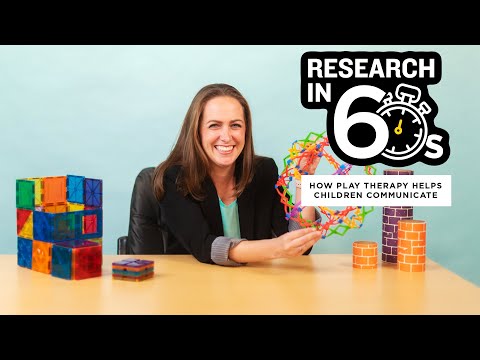
Play therapy is a fascinating approach that uses play as a way for children to express themselves, understand their feelings, and tackle challenges. Imagine a child building with blocks; each creation tells a story filled with emotions and experiences. This method transforms play into a language, allowing children to communicate in ways they might struggle to do verbally.
In this nurturing environment, therapists use toys, games, and creative activities to help young minds explore their thoughts and feelings. It’s not just about having fun; it’s about healing and growth. Let’s dive into how play therapy works, its various techniques, and the positive impact it can have on emotional well-being.
However, it’s important to approach play therapy with care. Not all approaches are the same, and what works for one child might not suit another. Always consult reputable sources or different specialists when considering treatment options for your child. This ensures that you’re making informed decisions based on varied perspectives rather than relying solely on one source of information. Stay curious but also cautious!
The information provided in this article is intended solely for general informational and educational purposes. It does not constitute medical advice, diagnosis or professional treatment, and should not be considered a substitute for consultation with a qualified doctor or other licensed healthcare professional. Any health-related decisions should be made in consultation with accredited medical professionals.
While efforts have been made to ensure the information is accurate and up to date, no guarantees are given—either express or implied—regarding its accuracy, completeness, currency or suitability. Use of this information is at your own discretion.
It is strongly recommended to consult official sources such as the NHS (National Health Service) or other recognised medical institutions before acting on any information contained on this website or article. Under no circumstances should professional medical advice be ignored or delayed due to content read here.
This content is of a general and informational nature only. It is not intended to replace individualised guidance from a healthcare professional or to establish any doctor-patient relationship. The publication of this information does not imply any professional responsibility, guarantee or obligation on the part of the author or this site.
Unlocking Imagination: Exploring the Power of Role-Play in Healing Through Play Therapy
Play therapy is a unique way to help children express their emotions and thoughts. It’s like giving them a voice when they can’t find the words. Through play, kids can explore feelings, solve problems, and heal from experiences.
Role-play is a key technique in play therapy. It allows children to act out different scenarios. For example, they might play doctor or pretend to be superheroes. This helps them understand situations better and feel more in control.
When kids role-play, they become the characters they create. This transformation lets them express feelings safely. If a child has faced something scary, being a superhero can offer them strength they might feel they lack in real life.
Play therapy also benefits children by promoting creativity. This isn’t just fun; it’s essential for development. Imagination leads to problem-solving skills and emotional intelligence. Kids learn how to deal with different social situations through imaginative play.
It’s important to remember that **play therapy isn’t one-size-fits-all**. Each child is different and may respond in unique ways. Some might thrive with dolls or action figures while others prefer arts and crafts.
Through role-play, children can also communicate their fears or worries indirectly. When they’re immersed in play, it becomes easier for them to share what’s on their minds without feeling pressured.
Benefits of Role-Play in Play Therapy:
As parents or caregivers, being supportive during this process is crucial. Engage with the child’s play gently and encourage open conversations afterward about what they’ve acted out.
However, it’s vital not to push too hard for explanations right away. Give them space if they’re not ready to talk yet; sometimes just being present is enough.
In conclusion, role-play within play therapy opens up pathways for healing through creativity and expression. This method not only nurtures emotional well-being but also lays down foundations for future resilience as children grow up facing life’s challenges. Remember that every child’s journey through healing is unique—patience and understanding are key components in supporting them along the way.
Discovering the Healing Power of Play in Emotional Well-Being
Play is often seen as just a fun activity for kids. However, it holds significant value in emotional well-being for people of all ages. This is where the concept of play therapy comes into play.
Play therapy is a method that uses play to help individuals express their feelings. Just like adults may use art or music to communicate, children often find it easier to share their emotions through play. It can be compared to speaking a different language—one that feels comfortable and familiar.
Here are some key aspects of play therapy:
Emotional healing through play isn’t limited to children. Adults can also benefit from “playful” activities—like team sports, hobbies, or even board games with friends. These enjoyable experiences promote relaxation and stress relief.
It’s important to highlight that while play therapy can assist in emotional growth, it shouldn’t replace traditional forms of therapy when needed. Instead, think of it as an enriching complement.
Different techniques in play therapy may include storytelling, puppet shows, or art projects. Each method allows the participant to explore inner feelings creatively.
Although not all playful activities are structured like formal therapy sessions, any form of playful engagement can uplift mood and foster connection.
In conclusion, discovering the healing power of play opens up avenues for personal growth and emotional expression. By incorporating more playful moments into daily life—whether through organized activities or spontaneous fun—we encourage emotional resilience and well-being.
Always remember that if you’re considering professional assistance for emotional issues, seeking advice from appropriate sources is essential.
Exploring the Healing Power of Play in Therapy
Play is often seen as just a fun activity for kids. However, in the context of therapy, play can be a powerful tool for healing. It can help children express feelings they might not have the words for.
When we talk about play therapy, we refer to a structured approach where therapists use play to communicate with and help children. This method relies on the natural way kids engage with their world. Just as adults talk through problems or journal, children often use toys and games to process experiences.
Why is play important in therapy?
Children may struggle to articulate their emotions. Play provides an avenue for them to show what they feel inside. It works like this:
For example, if a child plays with figures that represent family members, it could signify their feelings about home life. The therapist observes these interactions carefully.
It’s essential to understand that not all play has therapeutic value. Structured play therapy involves specific techniques designed by professionals to facilitate healing.
During sessions, therapists may create safe environments filled with various toys and art materials. This allows children the freedom to express themselves. They might build with blocks or draw pictures that illustrate their feelings.
The aim is not only expression but also learning coping skills. When kids face challenges during play, they can explore solutions in a safe space before applying them in real life.
Play therapy isn’t just beneficial for kids experiencing trauma; it can support those dealing with anxiety, depression, or behavioral issues too.
However, parents should remember that not all therapists are trained in this approach. It’s important to look for practitioners who specialize in child development and therapeutic techniques involving play.
In summary, the healing power of play lies in its ability to provide an outlet for emotions and experiences that young ones often cannot articulate. By engaging through play within a therapeutic framework, children have an opportunity to learn and grow wholesomely and enjoyably.
If you’re considering this option for your child or yourself—always gather information from trustworthy sources and consult professionals who understand your needs carefully!
Play therapy is a fascinating approach often used with children to navigate their emotions and experiences. It leverages the natural ways children express themselves—through play—making it an effective therapeutic tool.
Role of Play Therapy: At its core, play therapy provides a safe space for children to communicate feelings that might be too complex to articulate. Think of it as using toys as a language. Just as adults talk through their problems, children can express their inner worlds through play.
Techniques in Play Therapy: Various techniques are employed in this practice. One common method is “directive play,” where therapists guide children in specific activities to explore emotions or behaviors. Alternatively, “non-directive play” allows the child to lead, giving them control over the session—a significant aspect since many young clients often feel powerless in their everyday lives.
Benefits: Through these techniques, kids can manifest anxiety, trauma, or grief in manageable ways. For instance, using dolls or action figures can help them reenact scenarios that represent real-life challenges they face. This not only aids understanding but also fosters healing.
Critical Thinking: It’s essential to recognize that while play therapy is beneficial for many, it may not be suitable for every child or situation. Each child is unique; therefore, careful assessment by a professional is vital before starting any therapeutic process.
In conclusion, play therapy stands out as a valuable resource in child psychology. By embracing the playful nature of children and respecting their individual needs, this therapeutic approach opens doors to healing and self-expression that traditional methods might overlook.