The information provided in this article is intended solely for general informational and educational purposes. It does not constitute medical advice, diagnosis or professional treatment, and should not be considered a substitute for consultation with a qualified doctor or other licensed healthcare professional. Any health-related decisions should be made in consultation with accredited medical professionals.
While efforts have been made to ensure the information is accurate and up to date, no guarantees are given—either express or implied—regarding its accuracy, completeness, currency or suitability. Use of this information is at your own discretion.
It is strongly recommended to consult official sources such as the NHS (National Health Service) or other recognised medical institutions before acting on any information contained on this website or article. Under no circumstances should professional medical advice be ignored or delayed due to content read here.
This content is of a general and informational nature only. It is not intended to replace individualised guidance from a healthcare professional or to establish any doctor-patient relationship. The publication of this information does not imply any professional responsibility, guarantee or obligation on the part of the author or this site.
Ever watched your toddler completely absorbed in a puddle, splashing away with pure joy? That’s not just play; it’s learning at its best. Believe it or not, sensory play is a vital part of early childhood development. It helps kids understand the world around them through their senses—like touch, sight, and sound.
Look, every parent wants their little one to thrive. When children engage in sensory activities, they’re developing skills they’ll use for life. It supports not just physical growth but also cognitive and emotional development. And hey, it’s a great way for you to bond with your child too!
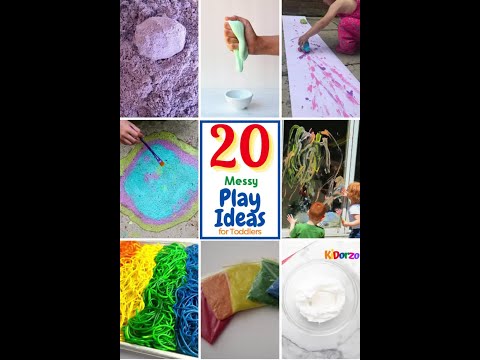
This article is all about enhancing toddler wellness through 20 fun sensory play activities you can easily do at home. We want to give you ideas that are both engaging and beneficial to your child’s overall well-being.
Just remember, while these activities are wonderful ways to encourage growth and creativity, this content doesn’t replace medical advice. Always consult a healthcare professional when making health decisions regarding your child.
Unlocking Playtime: Discover the Joy and Growth Through Sensory Adventures for Little Learners
Understanding Sensory Play for Toddlers
Sensory play is all about engaging a child’s senses. Think about it: the world is a treasure trove of sights, sounds, tastes, smells, and textures. When toddlers explore these senses, they are learning in a fun way that helps their brain develop.
Have you ever watched a child play with sand or water? They’re not just playing; they’re exploring concepts like volume and texture. It’s kind of like when we figure out how to mix colors with paint. Such experiences create foundational skills for later learning.
Why Is Sensory Play Important?
Sensory play plays a big role in cognitive growth. It encourages problem-solving—when kids figure out how to stack blocks or shape dough, they are thinking critically. Isn’t that amazing?
This type of play also supports emotional well-being. Think of it as an outlet for self-expression. When kids splash in water or squish clay, they’re feeling things deeply and processing emotions.
Activities That Spark Joy and Growth
- Water Play: Fill a tub with water and add cups or toys. Kids love pouring and splashing!
- Sensory Bins: Use rice, beans, or pasta as a base: hide small toys inside for toddlers to find.
- Puffy Paint: Mix equal parts shaving cream and glue for tactile painting fun.
- Nature Walks: Collect leaves and stones—let them touch and observe each item closely.
- Baking Soda & Vinegar: This classic science experiment will wow little ones while being fun!
The Connection to Wellness
Sensory adventures can promote overall wellness by encouraging physical activity too! Kids are naturally curious, so running around outside stimulates their bodies just as much as their minds.
You might also notice improved focus after sensory playtime. By allowing toddlers to express themselves through these activities, you help them learn patience and concentration—key components for healthy development!
Dangers? Not Really!
The main concern with sensory play isn’t what many may think—it’s supervision! Always keep an eye on your little one during messy explorations…
If using materials like rice or sand, be mindful of any choking hazards related to younger toddlers (especially under 3 years). Just stick to age-appropriate items!
A Final Thought
Sensory play isn’t merely about having fun; it’s an adventure that lays the groundwork for important life skills. So go ahead! Dive into those colorful activities together!
Exploring Fun and Engaging Ways to Enhance Your Toddler’s Senses
Understanding Sensory Play for Toddlers
Sensory play is about engaging your toddler’s senses: touch, sight, sound, taste, and smell. You know how kids seem to be curious about everything? That’s their natural drive to explore and learn.
Think of sensory play like a workout for their brains. When toddlers interact with different materials—like sand, water, or paint—they’re building neural connections. It’s a bit like how exercise strengthens muscles.
The Benefits of Sensory Activities
These activities help toddlers develop crucial skills. Fine motor skills improve as they grasp objects or manipulate materials. Language skills can also benefit when you talk to them about what they’re feeling or seeing.
Moreover, sensory play can be calming for some kids. Imagine your little one pouring rice into a bowl; it’s soothing and allows for focus amidst the chaos of everyday life.
Fun Ways to Enhance Your Toddler’s Senses
- Texture Stations: Set up different textures like smooth fabric, rough sandpaper, and squishy foam for your toddler to explore.
- Scent Jars: Fill jars with various spices or herbs. Let your child smell each one and guess what they are!
- Sound Shakers: Use empty bottles filled with rice or beans. Shaking them can introduce your child to rhythm and sound variations.
- Color Exploration: Mix colors in water using food coloring—watching the swirls is mesmerizing!
- Nature Walks: Take short walks outside collecting leaves, stones, or flowers while discussing the colors and textures of each item.
Cautions to Keep in Mind
You might want to observe closely during these activities. Some children could be sensitive to certain textures or smells. If your toddler seems uncomfortable, it’s okay to switch things up!
Keeeping supplies safe is important too; avoid small items that may pose choking hazards. Engaging them doesn’t mean sacrificing safety!
A Word on Participation
Your involvement makes a difference! Join in on the activities; it’s not just about observation but active participation too! Sharing laughs while you create messes together can strengthen bonds.
The Bottom Line
Sensory play provides valuable opportunities for learning through exploration. Whether it’s splashing in water or creating art with finger paints—even simple activities can be impactful!
The goal isn’t perfection but rather enjoying the process together every step along the way.
Discover the Joy of Engaging the Senses Through Fun and Creative Play
Understanding Sensory Play for Toddlers
So, let’s chat about sensory play! This kind of play is all about engaging a child’s senses—touch, sight, sound, taste, and smell. It’s a natural way for toddlers to explore their world. The cool thing? They learn through their experiences!
Why is Sensory Play Important?
Toddlers are naturally curious. You know how they touch everything? It’s their way of learning! Sensory play helps develop fine motor skills and encourages creativity. It can be as simple as playing with sand or splashing in water.
Creating Engaging Activities
You might wonder what kinds of sensory play activities you could try with your little one. Luckily, there are tons! Think about tactile bins filled with rice or beans. Little fingers can dig and explore different textures.
- Sensory bags: Fill a zip-lock bag with gel or shaving cream and let them squish it.
- Nature walks: Collect leaves and pinecones—let them feel the different textures!
- Water play: Just add toys to a tub—it’s fun and they can splash around.
The Role of Imagination
A big perk of sensory activities? They spark imagination too. When kids create stories around their play, they’re also developing language skills. For example, when they pretend the spaghetti noodles are snakes; it adds another layer to their experience!
Bouncing Back from Messiness
You might worry about the mess that comes with playtime. Honestly? That’s part of the gig! Embrace it. Messy situations often lead to the most creative outcomes!
Monitoring Safety
Keep an eye on your toddler while playing, especially if small objects are involved. Always have some supervision handy. If you set up a craft station at home, make sure scissors or anything sharp are outta reach.
The Joy of Exploration
The beauty of sensory play lies in its simplicity yet depth. Kids get to connect with materials in ways that make sense for them at that moment. Sometimes it’s not just about teaching but allowing them to discover joy in trying out new things.
If you wonder whether this type of play can help reduce stress levels in little ones—it often does! Engaging senses and focusing on hands-on tasks can be very calming after a busy day filled with transitions.
- If they seem overwhelmed by too much noise or commotion, maybe some quiet water painting would help?
- A quiet corner for reading could also give them a break from all those stimuli.
Final Thoughts on Sensory Fun
Nurturing wellness through playful engagement is truly worthwhile! Each playful experience counts as an opportunity for growth and learning—enabling toddlers to navigate emotions while keeping it fun!
.
Engaging toddlers in sensory play activities is essential for their development. Sensory play, which involves using the five senses—sight, smell, taste, touch, and hearing—helps young children explore the world around them. The idea of enhancing toddler wellness through sensory activities resonates strongly with early childhood education principles.
Research shows that sensory play supports cognitive growth. Think about it: when toddlers manipulate different materials, they not only build fine motor skills but also learn cause and effect. For instance, running their fingers through sand or water introduces them to concepts like texture and temperature. This hands-on experience is invaluable.
Moreover, sensory activities can have a calming effect on toddlers. They provide an outlet for pent-up energy or anxiety. Playing with clay or engaging in finger painting allows little ones to express themselves creatively. It’s fascinating how simple things can have such a profound impact on emotional regulation.
However, it’s crucial to consider safety during these activities. Always supervise toddlers as they explore various materials to prevent choking hazards or allergic reactions. A well-thought-out approach ensures that learning and playing happen safely.
Overall, incorporating engaging sensory play activities into daily routines fosters healthy development in toddlers. It’s rewarding for both parents and caregivers to witness how these experiences enhance well-being while cultivating curiosity and imagination.