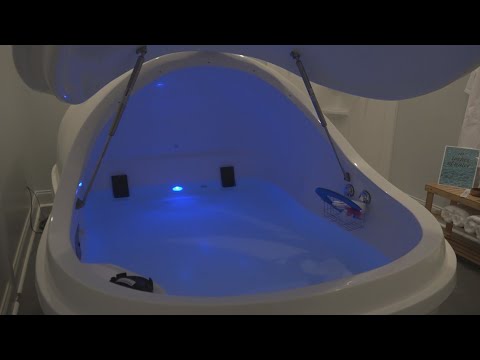
Have you ever wished for a moment of pure solitude, where the chaos of everyday life fades away? Sensory deprivation tanks, also known as isolation tanks or float tanks, offer a unique way to experience total relaxation. Imagine lying in warm water, buoyed by Epsom salt, while sound and light gently slip away. This tranquil environment can help calm your mind and body, inviting deep relaxation that many people crave.
When you float in one of these tanks, your senses are minimized. The weightlessness eases tension in your muscles and joints. With no distractions, it beckons you to turn inward—potentially unlocking deeper states of creativity and self-awareness. Some users report benefits like reduced anxiety, improved sleep quality, and enhanced focus. Think of it as pressing a reset button for your brain.
However, it’s essential to approach sensory deprivation with an informed mindset. While many people find relief through this practice, it might not be suitable for everyone. Always consult with healthcare professionals before trying new treatments, especially if you have underlying health conditions or mental health concerns. It’s important to read diverse opinions from experts and trusted sources so you can make decisions that prioritize your well-being.
Explore this fascinating method further but do so with curiosity tempered by knowledge. Your journey toward relaxation should be safe and personalized!
The information provided in this article is intended solely for general informational and educational purposes. It does not constitute medical advice, diagnosis or professional treatment, and should not be considered a substitute for consultation with a qualified doctor or other licensed healthcare professional. Any health-related decisions should be made in consultation with accredited medical professionals.
While efforts have been made to ensure the information is accurate and up to date, no guarantees are given—either express or implied—regarding its accuracy, completeness, currency or suitability. Use of this information is at your own discretion.
It is strongly recommended to consult official sources such as the NHS (National Health Service) or other recognised medical institutions before acting on any information contained on this website or article. Under no circumstances should professional medical advice be ignored or delayed due to content read here.
This content is of a general and informational nature only. It is not intended to replace individualised guidance from a healthcare professional or to establish any doctor-patient relationship. The publication of this information does not imply any professional responsibility, guarantee or obligation on the part of the author or this site.
Discover How Floating in Silence Can Enhance Your Well-Being and Creativity
Floating in silence is gaining attention as a way to enhance well-being and creativity. Many people are turning to sensory deprivation tanks, also known as float tanks, to explore this experience.
Imagine lying in a dark, quiet tank filled with warm salt water. The water is so buoyant that you can float effortlessly. This removes the weight of gravity and the distractions of our busy world.
The first thing you might notice is the silence. With no external noises, your mind can relax more deeply. This environment encourages mindfulness and self-reflection.
Many users report feeling a sense of deep relaxation after floating. This can help reduce stress and anxiety. It’s like hitting a pause button on life for a little while.
There’s also something interesting about creativity in this setting. When freed from everyday distractions, your brain has room to think differently. Some artists and thinkers find their best ideas emerge after floating.
Here are some key benefits often associated with floating:
While floating has many potential benefits, it’s important to remember that it’s not for everyone. Some may feel uneasy in enclosed spaces or struggle with stillness.
It’s also essential to approach it with an open mind but cautious optimism. Not everyone will have the same experience or benefits from floating.
If you’re curious about trying it out, look for local float centers that prioritize hygiene and provide clear instructions on use.
In conclusion, floating in silence offers an intriguing way to nourish both body and mind. It invites exploration of self-awareness, creativity, and relaxation in a unique way that many are finding rewarding.
Discover the soothing escape that helps you unwind and recharge your mind and body.
Have you ever felt overwhelmed by daily stress? Many people seek ways to unwind and recharge. One unique option gaining popularity is the sensory deprivation tank.
These tanks, also known as float tanks, are filled with warm, salty water. As you float, the water’s buoyancy takes the weight off your body. This can create a deep sense of relaxation.
Here are some key benefits:
The experience inside a sensory deprivation tank is all about minimizing external stimulation. In this quiet space, lights and sounds are greatly reduced. This allows your mind to enter a meditative state more easily.
Think of it like shutting down a busy computer. When it’s closed, it has the chance to refresh itself. The same concept applies to your brain in these tanks.
Some myths exist around floating. For example, some believe it’s only for athletes or those with mental health issues. However, anyone can benefit from this form of relaxation.
While there is much anecdotal evidence supporting its effects, scientific studies are still evolving. It’s important to approach this experience with an open mind but also realistic expectations.
Before trying out a sensory deprivation tank, do your research on local facilities. Look for reviews and ask questions about hygiene practices and staff training.
In conclusion, exploring the world of sensory deprivation tanks could offer you that soothing escape you’ve been looking for. Just remember that relaxation methods vary from person to person. What works wonders for one may not be suitable for another.
Always listen to your body and mind when trying new ways to unwind and recharge!
Discover the Tranquil Escape of Floating in Silence
Have you ever felt overwhelmed by the noise of everyday life? Many people do. One way to find some peace is through sensory deprivation tanks, also known as float tanks. These unique environments offer a quiet space that can help you relax.
A sensory deprivation tank is filled with warm, salty water that allows you to float effortlessly. Inside the tank, the lights are dimmed or turned off, and sound is minimized. This setup helps reduce external stimuli, creating a tranquil escape.
Here are some benefits of floating in silence:
Floating can also be likened to meditation. Just as meditation helps calm the mind, so does floating in a dark, quiet space. Both practices encourage mindfulness and self-reflection.
It’s important to note that experiences vary from person to person. Some may feel instant relief while others might take time to adjust. The key is being open to the experience without expectations.
There are myths surrounding sensory deprivation tanks too. Some think they’ll feel claustrophobic or trapped inside; however, most tanks are designed for comfort and safety.
Before trying flotation therapy, consider your personal health needs and preferences. It might be a good idea to talk with someone who has experience or read up on specific facilities.
In conclusion, if you’re seeking a new way to unwind or reflect on life’s challenges, consider exploring the calming world of sensory deprivation tanks. It’s a chance for silence and serenity when the world feels too loud.
Sensory deprivation tanks, also known as isolation tanks or float tanks, provide a unique environment that promotes relaxation and mental clarity. These tanks are filled with saltwater, allowing individuals to float effortlessly while being in a dark, soundproof chamber. This experience can significantly reduce sensory input, encouraging deep relaxation.
Many people find that the absence of external stimuli helps alleviate stress and anxiety. When the brain isn’t bombarded by sights and sounds, it can enter a state of rest similar to meditation. This tranquil environment encourages mindfulness and self-reflection.
Moreover, research suggests that floating may help with physical recovery. The buoyancy reduces strain on muscles and joints, potentially easing pain and tension. Athletes often use floatation therapy to enhance recovery after intense training.
However, it’s essential to approach this practice with realistic expectations. While many report positive effects after just one session, consistent benefits usually come from regular use over time.
In summary, sensory deprivation tanks offer a valuable tool for enhancing relaxation and well-being. As more people explore this method of self-care, it’s crucial to remain informed about personal preferences and physiological responses. Each experience is unique; what works for one person may not resonate with another.