The information provided in this article is intended solely for general informational and educational purposes. It does not constitute medical advice, diagnosis or professional treatment, and should not be considered a substitute for consultation with a qualified doctor or other licensed healthcare professional. Any health-related decisions should be made in consultation with accredited medical professionals.
While efforts have been made to ensure the information is accurate and up to date, no guarantees are given—either express or implied—regarding its accuracy, completeness, currency or suitability. Use of this information is at your own discretion.
It is strongly recommended to consult official sources such as the NHS (National Health Service) or other recognised medical institutions before acting on any information contained on this website or article. Under no circumstances should professional medical advice be ignored or delayed due to content read here.
This content is of a general and informational nature only. It is not intended to replace individualised guidance from a healthcare professional or to establish any doctor-patient relationship. The publication of this information does not imply any professional responsibility, guarantee or obligation on the part of the author or this site.
Ever find yourself tossing and turning at night, wishing for a way to drift off into a deeper sleep? You’re not alone. In fact, many people struggle with their sleep, and it’s becoming more common.
What if I told you that a simple herbal tea could help? Yup, passionflower tea may be just what you need for better sleep and relaxation.
This article is all about the benefits of drinking passionflower tea every night. We’ll explore how it can calm your mind and body, making those restless nights a thing of the past. Imagine feeling the tension fade away as you sip this warm beverage before bed—sounds nice, right?
But hey, while this tea has some great benefits backed by research, remember that it’s not a one-size-fits-all solution. This content doesn’t replace medical advice or professional guidance. Always chat with your healthcare provider before trying something new.
So let’s dive into the calming world of passionflower tea and see how it might just be your new nighttime ritual!
Exploring the Impact of Passion Flower on Liver Health
The Potential Benefits of Passion Flower
Passion flower, known scientifically as Passiflora, is often enjoyed in tea form for its calming effects. You might have heard that drinking passion flower tea can help with sleep and relaxation. But its relationship with liver health is a bit more complex.
What Is Passion Flower?
Passion flower comes from a climbing vine, and it’s popular in herbal medicine. People typically use it to help ease anxiety and improve sleep quality. But what about the liver? That’s where things get interesting.
How Does It Affect the Liver?
Your liver works hard to process toxins and metabolize nutrients. Some studies suggest that certain compounds in passion flower may help liver functions. However, this research is still in the early stages. The exact effect on liver health isn’t fully understood.
Psychoactive Compounds
Some components of passion flower are thought to have mild psychoactive properties, meaning they may affect your mood or mental state. This might not directly relate to liver health but could influence overall wellness.
Ingredients Matter
The effectiveness of passion flower can vary based on how it’s prepared or combined with other herbs. Sometimes people mix it with chamomile or valerian root for an even more soothing tea, which might be helpful before bed.
Potential Risks
Even natural remedies can come with risks! Some folks may experience allergic reactions or gastrointestinal issues when consuming passion flower, especially if they’re sensitive to plants in that family.
Myths Around Herbal Remedies
A common myth is that herbal remedies are always safe just because they’re natural. But that’s not always true! It’s important to remember that “natural” doesn’t mean risk-free.
Should You Drink It?
If you enjoy the taste and it helps you relax at night, there’s no harm in having a cup occasionally. Just be sure to listen to your body—if it doesn’t feel right for you, it’s okay to stop!
The Bottom Line
The impact of passion flower on liver health isn’t entirely clear yet. It shows promise but lacks comprehensive research backing those claims fully. Staying informed and questioning what you hear about supplements is always a smart approach.
Unlocking Restful Nights: Finding the Right Amount of Passion Flower for Sleep
Understanding Passion Flower
Passion flower is a plant often used for its calming effects. You might have heard about it in teas or supplements aimed at improving sleep. But what’s the deal with this plant, and how much should you use for restful nights?
What is Passion Flower?
This lovely vine produces beautiful flowers and has been used traditionally in many cultures. People believe it helps with anxiety, stress, and sleep problems. The idea is that it can boost levels of certain brain chemicals that promote relaxation.
How Does It Work for Sleep?
The active components in passion flower are thought to increase gamma-aminobutyric acid (GABA) levels in the brain. GABA is like your body’s natural chill pill; it calms the nervous system down, hence could help you feel relaxed at bedtime.
The Right Amount
You might wonder how much passion flower you should use to promote relaxation without overdoing it. Common recommendations suggest around 250 to 500 mg of dried herb if you’re taking capsules or extracts. If you’re brewing tea, one cup usually contains about 1 to 3 grams of dried leaves.
Brewing Passion Flower Tea
- Start with 1 teaspoon of dried passion flower per cup of hot water.
- Let it steep for about 10-15 minutes.
- If you like, add honey or lemon for flavor!
Pointers for Using Passion Flower
It’s good practice to start low and go slow—meaning begin with a smaller amount and see how your body responds before increasing the dose. Each person reacts differently; what works for one may not work as well for another.
A Few Things to Consider
- If you’re pregnant or breastfeeding, it’s best to consult someone who knows their stuff before using any herbal remedy.
- If you’re already on medications or have health concerns, talking things over with a healthcare provider can be wise too.
- Pay attention: some people may feel drowsy after taking passion flower; if that’s you, avoid driving or operating machinery until you know how it affects you!
The Bottom Line
Passion flower can be a part of your sleep routine but understanding your personal needs is important. While using this herb might aid relaxation at night when paired with other good sleep hygiene practices—like having a cozy bedtime routine—it’s not a magic fix.
If you’re looking into trying out passion flower tea every night, just make sure it’s part of an overall healthy approach to sleep! This way you’ll enjoy potential benefits while staying safe and informed.
Exploring the Daily Benefits and Risks of Passion Flower for Your Well-being
Understanding Passion Flower
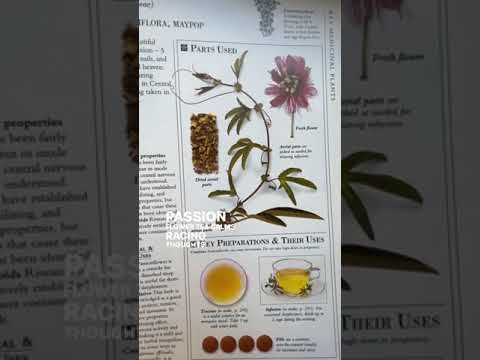
Passion flower, or Passiflora incarnata, is a climbing vine famous for its beautiful flowers. It’s often used in herbal teas and supplements. Many people enjoy drinking passion flower tea at night, hoping to get better sleep and relaxation.
The Potential Benefits
- Sleep aid: One of the main reasons folks drink passion flower tea is for its calming effect. Some studies suggest it might help improve sleep quality by reducing anxiety.
- Stress relief: This herb has been associated with lower levels of stress hormones in the body, which can promote relaxation. It’s like having a friendly hug after a long day.
- Mild sedative: It’s sometimes described as a natural sedative. This means it may help when feeling restless or jittery, particularly before bed.
The Possible Risks
- Drowsiness: While that sounds nice when you want to sleep, it could be problematic when you have other activities planned afterward. Like driving or operating machinery.
- Allergic reactions: A few people might experience allergies to passion flower. If you notice unusual symptoms after trying it, it’s best to stop using it and consult someone trained.
- Interactions with medications: Passion flower can interact with some medications – especially those for anxiety or blood pressure. Always consider what other meds you’re taking.
A Natural Approach
This plant has been used traditionally by various cultures for centuries. So there’s historical proof that many believe in its benefits. But keep in mind, personal experiences can vary widely!
A Cautionary Note
If you’re pregnant, breastfeeding, or have certain health conditions like low blood pressure or liver issues, approaching passion flower with caution is wise.
Check with healthcare professionals before adding any new herb into your routine.
Your Personal Experience Matters
Your own experiences are where the real answers lie! Try drinking passion flower tea at night and see how it makes you feel. Take notes—how do you feel after a week or two? This way you’ll gather insights tailored just for you!
A Concluding Thought
The world of herbal remedies can be fascinating yet complex sometimes! While passion flower may provide certain benefits related to sleep and relaxation, understanding your own body is key.
Always listen to yourself; your comfort and well-being should come first!
Understanding Passionflower Tea and Sleep
Passionflower tea has gained popularity as a natural remedy for improving sleep and relaxation. You might be wondering what makes this herbal drink so special? Well, it’s the active compounds in passionflower that play a significant role.
One key component is called flavonoids, which are antioxidants. These compounds help reduce anxiety by increasing levels of gamma-aminobutyric acid (GABA) in the brain. GABA is like a calming hug for your nervous system; it helps to slow down brain activity, promoting relaxation.
Benefits of Drinking Passionflower Tea
- May improve sleep quality: Some studies suggest that drinking passionflower tea can help you fall asleep faster and enhance overall sleep quality.
- Reduces anxiety: The calming effects can help ease stress levels, preparing your mind and body for rest.
- Naturally caffeine-free: Unlike coffee or black tea, passionflower does not contain caffeine, making it ideal for nighttime consumption.
Now, while many people report positive experiences with this tea, it’s essential to remember that not everyone responds the same way. Individual results can vary widely based on factors like personal health conditions or even other medications you might be taking.
A Word of Caution
You should consult a healthcare professional before adding passionflower tea into your nightly routine, especially if you’re pregnant or nursing or if you’re on medication. It’s always better to be safe than sorry!
In essence, incorporating passionflower tea into your evening ritual could offer benefits for sleep and relaxation. Just listen to your body—if it works for you, great! If not? There are plenty of other ways to encourage restful nights.