The information provided in this article is intended solely for general informational and educational purposes. It does not constitute medical advice, diagnosis or professional treatment, and should not be considered a substitute for consultation with a qualified doctor or other licensed healthcare professional. Any health-related decisions should be made in consultation with accredited medical professionals.
While efforts have been made to ensure the information is accurate and up to date, no guarantees are given—either express or implied—regarding its accuracy, completeness, currency or suitability. Use of this information is at your own discretion.
It is strongly recommended to consult official sources such as the NHS (National Health Service) or other recognised medical institutions before acting on any information contained on this website or article. Under no circumstances should professional medical advice be ignored or delayed due to content read here.
This content is of a general and informational nature only. It is not intended to replace individualised guidance from a healthcare professional or to establish any doctor-patient relationship. The publication of this information does not imply any professional responsibility, guarantee or obligation on the part of the author or this site.
Ever found yourself lying awake at night, your mind racing with thoughts you can’t control? You’re not alone. Anxiety can be a real thief of peace, stealing those precious moments of relaxation.
Here’s something you might not know: passionflower, a beautiful tropical plant, has been used for centuries to calm those jittery nerves. It’s like nature’s soothing hug when life feels overwhelming.
This article dives into how passionflower works and why it might just be the gentle ally you need in your journey toward tranquility. Imagine finding a natural way to soothe anxiety without relying solely on medications that often come with side effects.
But let’s pause for a second. This conversation is all about exploring options, not as a substitute for professional medical advice. It’s important to remember that health decisions shouldn’t be based only on what you read online. Always consult your healthcare provider before making any changes to your wellness routine.
Together, let’s unravel how this remarkable herb could fit into your life and promote a sense of calm in the chaos.
Discover How Passion Flower Can Transform Your Anxiety Experience
Understanding Passion Flower and Anxiety
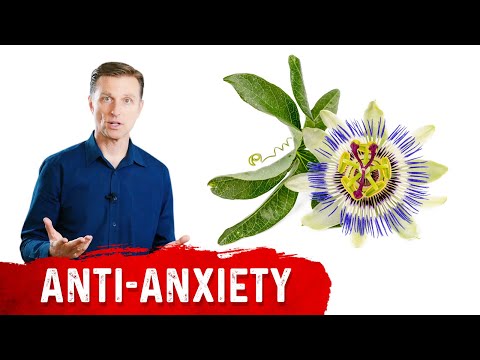
Passion flower, known scientifically as Passiflora incarnata, is a climbing vine with beautiful blooms. It’s been used in traditional medicine for ages. People often turn to it for help with anxiety and stress.
What Makes Passion Flower Unique?
This plant contains compounds called flavonoids, which are thought to have calming effects. Think of them like the gentle embrace of a warm blanket on a cold day—they might help you relax.
Some studies suggest that passion flower might boost levels of a chemical in the brain called gamma-aminobutyric acid (GABA). GABA helps calm nerve activity, which could reduce anxiety. But let’s be clear; more research is needed to fully understand how this works.
How Do People Use It?
You can find passion flower in various forms: teas, capsules, and extracts. Each method has its fans, but it often depends on personal preference. If you like sipping tea while unwinding at the end of the day, that could be your go-to option.
A Real-Life Example
Imagine Sarah—she tends to feel overwhelmed during busy weeks at work. After some research, she decides to try passion flower tea before bed. She finds herself sleeping better and waking up feeling less anxious. But remember, what works for one person might not work for another!
The Importance of Professional Guidance
If you’re considering using passion flower as part of your routine, talk to someone knowledgeable about herbal remedies or health care providers who understand supplements well. They can help you figure out if it’s right for you.
Myths About Passion Flower
- Mistake: It’s a miracle cure for anxiety.
- Reality: While some people find it helpful, it’s not a replacement for professional treatment.
- Mistake: Anyone can take it without side effects.
- Reality: Like any supplement or herb, it can interact with medications or have side effects—so caution is key!
If You Decide to Try It
If you’re curious about trying passion flower, start small—like one cup of tea—and see how your body reacts over time. Keep track of how you feel because self-awareness is important when exploring new remedies.
The Bottom Line
The bottom line is that while passion flower has potential benefits for calming anxiety naturally, it’s essential to approach it thoughtfully and responsibly. It’s just one piece of the puzzle when managing stress and anxiety!
Finding the Right Amount for Calm and Balance
Understanding Passionflower
Passionflower is a beautiful plant. It’s often used in herbal remedies, especially for anxiety and stress. People have turned to it for centuries, believing it can help calm the mind and promote relaxation.
How Does It Work?
The magic of passionflower lies in its chemical compounds. They’re thought to interact with certain receptors in the brain. This can lead to a calming effect, somewhat like how some medications work but naturally.
Finding the Right Amount
So, how much is enough? That’s a tricky question. The right dose can vary widely from one person to another. Factors such as age, weight, and overall health play a role. It’s kind of like finding the perfect seasoning for your food; you might need more or less compared to someone else.
Forms of Passionflower
You can find passionflower as tea, capsules, or liquid extracts. Each form has its own dosing recommendations. For example, if you’re sipping tea, one cup might be enough on some days; other times, you might want two cups.
Listening to Your Body
Your body knows best! Pay attention to how you feel after taking passionflower. Sometimes people feel relaxed after just a small amount while others may need more time or quantity before noticing an effect.
A Cautionary Note
It’s always smart thinking about interactions with other medications or supplements you might be taking. Just like mixing flavors in cooking can yield good or bad results; the same goes for combining herbal remedies.
Trusting Your Journey
This isn’t about perfection but rather finding balance that works for you personally. Some folks find calm through mindfulness practices alongside using passionflower while others may prefer just one approach alone.
Adequate Research
If curiosity strikes you about passionflower’s effects, check out trusted sources such as medical journals or talk to someone knowledgeable in herbal medicine—like an experienced herbalist or wellness coach.
The Big Picture
Cultivating peace of mind is a personal adventure that takes time and patience—just like gardening! Remember that what works for one person might not suit another perfectly.
Uncovering the Hidden Impact of Passion Flower on Liver Health
Understanding Passion Flower
Hey, let’s talk about passion flower. It’s a plant that a lot of people use for calming anxiety. When you think of calming herbs, think of it like a cozy blanket on a chilly night—very comforting.
The scientific name is Passiflora incarnata. It has been used in traditional medicine for ages, mainly to help with sleep and relaxation. Kind of like how you would sip chamomile tea before bed to wind down.
The Connection to Liver Health
Now, here’s where it gets interesting: some studies suggest that passion flower might have effects on liver health too. You know? The liver is super important; it processes everything we eat and drink, filtering out toxins.
A few animal studies hint that passion flower might help protect the liver from damage caused by things like alcohol or high-fat diets. This doesn’t mean it acts as a magic shield, but rather may provide some level of support.
What Research Says
Research into its impact on liver health is still early-stage. Most of what we see comes from lab or animal studies—not humans yet. This means we should be cautious about jumping to conclusions.
- Some experiments show antioxidants in passionflower can be beneficial.
- Antioxidants are compounds that fight harmful molecules called free radicals, which can damage cells.
- This damage can lead to various health problems, including those affecting the liver.
Anxiety & Liver Link
You might wonder how anxiety relates to liver health. Stress can play havoc on the body, including the liver! When you’re anxious or stressed for long periods, your body produces more cortisol—a hormone that isn’t always friendly when it’s constantly elevated.
So if passion flower helps you manage anxiety better, indirectly, it could contribute to keeping your liver happier too?
Cautions & Considerations
Remember though: while exploring the potential benefits of nature’s remedies is great—it’s crucial not to rely solely on them for health issues. There are so many factors that contribute to both mental and physical health.
- If you’re considering adding passion flower or any herb into your routine, check with someone who knows about herbal supplements and possible interactions with other medications you might be taking.
- No two people are alike; what works wonders for one person might not have the same effect on another.
Your Overall Well-Being
The takeaway? Passion flower could be an interesting addition if you’re looking at natural ways to soothe anxiety and maybe support your liver along the way—but don’t put all your eggs in one basket!
Your overall well-being comes from a mix of good nutrition, exercise, mental health care and so much more!
Understanding Passionflower and Its Role in Anxiety Relief
Passionflower is a climbing vine known for its striking flowers. But beyond its beauty, it has a long history in herbal medicine, particularly for helping with anxiety. It’s fascinating how nature offers remedies that many are just beginning to explore.
This plant contains compounds that act on the brain’s receptors. These are the same areas affected by conventional anti-anxiety medications. What’s interesting is that people report feeling calmer after using passionflower, sometimes with fewer side effects than traditional drugs.
How It Works
The key here lies in a compound called gamma-aminobutyric acid (GABA). Think of GABA as a brake pedal for your nervous system; it helps to slow down those racing thoughts and calming your mind.
When you consume passionflower, it enhances GABA activity, which can lead to a more relaxed state without the drowsiness common with some medications.
Real-life Applications
Many folks use passionflower tea or supplements as part of their daily routine when dealing with stress or anxiety-provoking situations. Imagine preparing for an important meeting or exam; sipping on passionflower tea might provide that added sense of calm.
However, it’s essential to remember that while passionflower can be helpful, it’s not a one-size-fits-all solution. Some individuals may experience different results based on their specific needs.
A Mindful Approach
If you’re considering incorporating it into your routine, consulting with a healthcare provider is smart. They can give personalized advice and ensure it’s safe for you.
Ultimately, understanding how natural remedies like passionflower fit into the broader context of mental health can empower us all in making informed choices.