The information provided in this article is intended solely for general informational and educational purposes. It does not constitute medical advice, diagnosis or professional treatment, and should not be considered a substitute for consultation with a qualified doctor or other licensed healthcare professional. Any health-related decisions should be made in consultation with accredited medical professionals.
While efforts have been made to ensure the information is accurate and up to date, no guarantees are given—either express or implied—regarding its accuracy, completeness, currency or suitability. Use of this information is at your own discretion.
It is strongly recommended to consult official sources such as the NHS (National Health Service) or other recognised medical institutions before acting on any information contained on this website or article. Under no circumstances should professional medical advice be ignored or delayed due to content read here.
This content is of a general and informational nature only. It is not intended to replace individualised guidance from a healthcare professional or to establish any doctor-patient relationship. The publication of this information does not imply any professional responsibility, guarantee or obligation on the part of the author or this site.
Introduction
Have you ever felt a nagging pain in your back or legs that just won’t go away? You’re not alone. Many people face similar struggles, and one common culprit is spinal stenosis. It’s like having a traffic jam in your spine, causing discomfort and hindering your daily activities.
But here’s the good news: exercise can help manage those pesky symptoms! By incorporating specific movements into your routine, you can strengthen muscles, improve flexibility, and ease some of that tension.
This article dives into effective exercise strategies tailored for those dealing with spinal stenosis. It’s all about finding what works best for you. We’ll explore various exercises that focus on gentle stretching and strengthening while considering safety first.
Remember though, this content doesn’t replace medical advice. It’s crucial to consult a healthcare professional before starting any new exercise program—especially if you have health concerns. They can guide you based on your individual circumstances.
Let’s get started on this journey to feeling better together!
Stay Safe and Alleviate Pain with These Essential Movement Tips
Understanding Spinal Stenosis
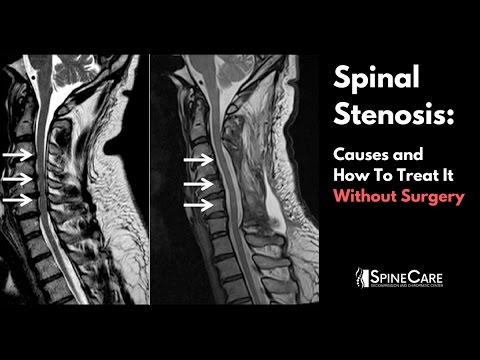
Spinal stenosis is a condition where the space around your spinal cord narrows. This can put pressure on the nerves, leading to pain, tingling, or weakness, especially in the legs. It’s like having a garden hose with a kink in it; water (or signals) can’t flow freely.
Why Movement Matters
You might think that resting is the best way to deal with pain from spinal stenosis. But actually, gentle movement often helps manage symptoms better. Think of it this way: sitting too long can make your back stiffer and lead to more pain.
Simple Exercises to Consider
- Stretching: Gentle stretches can increase flexibility and reduce tightness. Try reaching for your toes while sitting; it’s simple and effective.
- Walking: Regularly walking helps maintain mobility without putting too much strain on your back. Start with short distances and gradually increase as you feel comfortable.
- Pilates or Yoga: These practices focus on core strength and flexibility. They can teach you how to move more mindfully, which helps avoid unnecessary strain.
Posture Plays a Key Role
Your posture while standing or sitting affects how your spine feels overall. Imagine balancing a stack of books; if they’re misaligned, it becomes harder to hold them up! Sitting straight with support for your lower back can ease discomfort.
Avoiding Certain Movements
It’s wise to avoid certain movements that aggravate symptoms, like heavy lifting or twisting too far at the waist. Pay attention to what hurts when you do these actions; it’s like listening to warning signs from your body!
The Importance of Rest
This doesn’t mean being inactive all day! Being aware of when you need breaks is important. If you start feeling soreness during an activity, take a moment and rest. Just like charging your phone every now and then, your body needs its time too.
Cueing Your Body
Your body often gives cues about what feels good or bad during movement—it’s vital to listen closely! For example, if bending over causes sharp pain, try adjusting how you bend or substituting that motion altogether.
Finding Support
- Your healthcare provider: They can guide you through exercises tailored for spinal stenosis.
- A physical therapist: A professional who specializes in enabling better movement—ask them for personalized strategies!
- Your community: Find local support groups where people share tips and experiences.
The Takeaway?
You don’t have to live with discomfort alone. By understanding how gentle movements help manage symptoms of spinal stenosis—you empower yourself toward better health! And remember: everyone’s journey is different; find what works best for you without pushing too hard.
If something doesn’t feel right or worsens over time—reach out for assistance sooner rather than later!
Discover Effective Moves to Alleviate Discomfort and Enhance Mobility
Understanding Spinal Stenosis
Spinal stenosis is when the spaces within your spine narrow. This can put pressure on the spinal cord and nerves, causing pain and discomfort. Imagine traffic getting jammed in a narrow street; that’s kinda like what happens in your back.
Common symptoms include pain, tingling, numbness, or weakness, often in the legs or lower back. It might feel worse when standing or walking for too long—like carrying heavy groceries gives you that ache in your arms.
The Role of Exercise
Exercise plays a big part in managing spinal stenosis. It can help reduce symptoms and improve mobility. Think about it: we all know that keeping our bodies moving is good for them, right?
Carefully chosen exercises can strengthen the muscles around your spine. Stronger muscles mean more support for your back, which is what we want! And yes, it also helps with flexibility and balance.
Safe Exercises to Try
- Walking: This low-impact exercise is gentle on the body but effective for improving circulation.
- Pelvic Tilts: Laying on your back with knees bent, gently flatten your lower back against the floor. Hold for a few seconds—this helps strengthen abdominal muscles.
- Knee-to-Chest Stretch: Lying down, pull one knee towards your chest. Hold for a bit and switch legs; this stretches out those tight lower back muscles.
- Cats and Cows Stretch: Get on all fours. Arch your back (like a cat) then dip it down (like a cow). It’s great for spinal mobility!
- Aquatic Exercises: Water supports you while you move, making exercises super gentle yet effective!
Cautions to Keep in Mind
You know how sometimes you might feel sore after working out? Well, it’s normal to feel some discomfort when trying new movements—but listen to your body! If an exercise hurts more than usual or feels wrong, stop immediately.
A talk with someone who knows about health and fitness can be helpful before starting any routine—no need to jump into things without guidance!
The Bigger Picture
A regular routine combined with thoughtful movement can lead to better management of spinal stenosis symptoms over time. It’s important to keep at it like tending a garden; patience pays off.
If you’re feeling uncertain about what’s right for you or if certain movements are okay to try, chatting with someone knowledgeable can clear things up! Remember: everyone’s body is different…
Your Mental Approach Matters
Mental outlook influences physical health too! Keeping positive thoughts about movement may change how enjoyable exercise feels—it isn’t just about physical gain but overall well-being too!
Your journey through spinal stenosis doesn’t have to be tough alone; finding supportive communities online may help—it’s nice knowing others share similar experiences!
As always, focus on consistency rather than perfection—efforts add up over time.
Gentle Movements to Ease Discomfort and Enhance Mobility
Understanding Spinal Stenosis
Spinal stenosis is a condition where the spaces within your spine narrow, which can put pressure on the spinal cord and nerves. This often leads to discomfort or pain, especially in your back or legs. Think of it as a tunnel where traffic can get jammed if there’s too much congestion.
Why Movement Matters
Movement can sometimes feel counterintuitive when you’re experiencing pain. However, gentle motions help keep your joints flexible and muscles strong. Imagine a rusty hinge that needs oiling; even a small movement can keep it functioning better.
Gentle Exercises to Consider
- Walking: A simple walk, even around the house, helps maintain mobility without putting too much strain on your body.
- Stretching: Gentle stretching can improve flexibility. Focus on areas like your hips and lower back.
- Pilates or Yoga: These practices emphasize controlled movements and breathing. They’re beneficial for enhancing core strength and balance.
- Pace Yourself: It’s important not to overdo things. Listen to your body; if something feels wrong, be kind to yourself and stop.
The Role of Posture
Your posture plays a significant role in how you feel throughout the day. Maintaining good posture reduces strain on your spine. Picture holding a book on top of your head—standing tall helps support that book more easily.
Tips for Staying Active
- Sit Smart: When sitting for extended periods, use chairs that offer good back support.
- Create Routine: Having a daily exercise routine can help keep you motivated and reduce discomfort over time.
- A Buddy System: Sometimes sharing this journey with someone else makes it more enjoyable! You could encourage each other in staying active.
Cautions Are Key
If you’re starting new movements or exercises, it’s wise to proceed with caution. Some moves might not suit everyone depending on their specific situation—for example, certain stretches may aggravate symptoms for some people while helping others feel relief.
The Importance of Openness
If you’re ever unsure about what exercise might be right for you as someone dealing with spinal stenosis, it’s always good to explore options through conversation with family or friends who understand what you’re going through. It’s all about finding what works uniquely for you!
A Final Thought
You don’t need to make huge changes overnight. Small adjustments in movement—like focusing on gentle stretches or light walking—can have a cumulative effect over time! Think of it this way: little drops of water wearing away at stone—consistency makes a difference!
Exercise Strategies for Managing Spinal Stenosis Symptoms
Spinal stenosis can be a challenging condition, often causing discomfort and limiting mobility. It occurs when the spinal canal narrows, putting pressure on the nerves. Exercise might sound counterintuitive during pain episodes, but it can play a crucial role in managing symptoms.
One effective strategy is to focus on low-impact exercises. Activities like walking, swimming, or cycling help maintain mobility without adding stress to the spine. Think of it as giving your body a gentle workout while avoiding impacts that could worsen your condition.
Strength training also deserves attention. Supporting the muscles around the spine offers better stability and support. Exercises targeting core strength are especially beneficial since they help align the spine properly and reduce strain.
Flexibility exercises should not be overlooked either. Stretching gently can improve range of motion and alleviate tightness in back muscles. Yoga or tai chi might be excellent options here since they promote both flexibility and relaxation.
Always listen to your body; if something causes pain, it’s wise to stop. Sometimes consulting with a physical therapist can provide personalized guidance tailored to individual needs.
A well-rounded approach combining these strategies not only helps manage spinal stenosis symptoms but enhances overall quality of life too. Regular exercise can boost mood, increase energy levels, and foster a sense of well-being.
The key is consistency—making exercise a regular part of daily life promotes long-term benefits. So, even on tough days when moving feels hard, small steps can lead to significant improvements over time.