The menstrual cycle is a fascinating journey that every person with a uterus experiences, typically starting in their teenage years and continuing until menopause. Understanding this cycle can help demystify the changes our bodies go through each month. By recognizing the stages of the cycle—from the start of your period to ovulation—you gain insight into not just reproductive health, but overall well-being.
Think of the menstrual cycle as a monthly rhythm, like a song with distinct verses and choruses. The cycle itself generally lasts around 28 days, although it can vary from person to person. Each phase plays a role in preparing the body for potential pregnancy while also influencing mood, energy levels, and physical sensations.
However, it is crucial to approach this topic with care. Not all information about menstruation is accurate or applicable to everyone. Misinformation can lead to confusion or anxiety about normal bodily functions. Therefore, it’s important to consult various reputable sources and healthcare professionals who specialize in reproductive health. Engaging with multiple perspectives will enhance your understanding and empower you to make informed decisions regarding your health.
The information provided in this article is intended solely for general informational and educational purposes. It does not constitute medical advice, diagnosis or professional treatment, and should not be considered a substitute for consultation with a qualified doctor or other licensed healthcare professional. Any health-related decisions should be made in consultation with accredited medical professionals.
While efforts have been made to ensure the information is accurate and up to date, no guarantees are given—either express or implied—regarding its accuracy, completeness, currency or suitability. Use of this information is at your own discretion.
It is strongly recommended to consult official sources such as the NHS (National Health Service) or other recognised medical institutions before acting on any information contained on this website or article. Under no circumstances should professional medical advice be ignored or delayed due to content read here.
This content is of a general and informational nature only. It is not intended to replace individualised guidance from a healthcare professional or to establish any doctor-patient relationship. The publication of this information does not imply any professional responsibility, guarantee or obligation on the part of the author or this site.
Understanding Your Body’s Rhythm: The Journey from Menstruation to Ovulation
Understanding your body’s rhythm can be a fascinating journey. The menstrual cycle is not just about having a period; it involves various phases that play crucial roles in overall health. Let’s break it down simply.
The menstrual cycle typically lasts about 28 days, although it can range from 21 to 35 days for some people. This cycle includes four main phases: menstruation, the follicular phase, ovulation, and the luteal phase.
Menstruation begins the cycle. It lasts around 3 to 7 days. During this time, the body sheds the lining of the uterus if there’s no pregnancy. It can be seen as a reset button for your reproductive system.
After menstruation comes the follicular phase. This is when follicles in the ovaries mature, thanks to hormones like FSH (follicle-stimulating hormone). Think of it like preparing a garden for planting seeds.
During this phase, estrogen levels rise. Estrogen helps thicken the uterine lining in preparation for a potential pregnancy. It also influences mood and energy levels.
Next comes ovulation, usually around day 14 of a typical cycle. An egg is released from one of the ovaries and makes its way down into the fallopian tube. This is often considered your most fertile time.
If sperm meets an egg during this window, fertilization may occur! If not, that leads us into the next phase: the luteal phase.
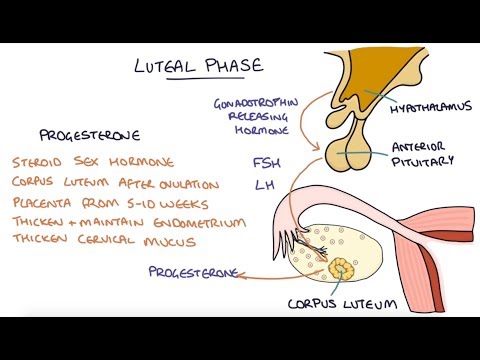
In this last part of the cycle, progesterone kicks in to maintain the uterine lining for potential implantation of an embryo. If there’s no pregnancy, progesterone levels drop, leading back to menstruation.
Key Points:
Unlocking the Timing: Discover When Ovulation Occurs After Your Cycle Ends
Understanding your menstrual cycle can feel like solving a mystery. One key piece of this puzzle is ovulation. It’s the time when an egg is released from the ovary, and it plays a crucial role in fertility.
Typically, a menstrual cycle lasts about 28 days. However, cycles can vary widely from person to person. They can be as short as 21 days or as long as 35 days.
Ovulation usually occurs around the middle of your cycle. For those with a 28-day cycle, this would be approximately day 14 after your period starts. But remember: every body is different!
To track ovulation, pay attention to changes in your body. Common signs include:
Knowing when you ovulate is important for family planning. If you’re trying to conceive, you may want to have intercourse within a few days before and after ovulation for the best chances.
It’s also useful to remember that stress, illness, and lifestyle changes can impact your cycle length and timing of ovulation. So even if you’re regular one month, things might change the next.
Do not rely solely on calculations or apps; listen to your body too! Maintaining a healthy lifestyle can also positively affect your menstrual health overall.
If you have concerns about irregular cycles or difficulty tracking ovulation, consider discussing it with a healthcare provider who can guide you through personalized options and information.
By understanding these basics about ovulation timing, you’re taking an empowered step toward better health knowledge!
Unlocking Your Fertility: Simple Steps to Track Your Cycle from Period to Ovulation
Understanding your menstrual cycle can be key to unlocking your fertility. The cycle has several phases, each with unique characteristics. Let’s break it down from period to ovulation in simple steps.
Your menstrual cycle typically lasts about 28 days, but it can vary from person to person. It starts with the first day of your period. This is when you shed the lining of your uterus if there’s been no pregnancy. It’s like a reset button for your body.
Days 1-5: Menstrual Phase
During this phase, hormonal levels are low. You might experience cramps or mood swings as your body prepares for the next cycle.
Days 6-14: Follicular Phase
After menstruation, your body begins to prepare for ovulation. The brain releases a hormone that signals the ovaries to grow follicles. Each follicle contains an egg, but usually only one will mature fully.
Day 14: Ovulation
This is when a mature egg is released from the ovary into the fallopian tube. You are most fertile around this time. Many women notice changes in their body, like heightened senses or an increase in cervical mucus.
Tracking these changes can help you pinpoint ovulation easily. Here are some ways to track your cycle:
Learning about these signs helps you understand your own body better. Remember that every person’s cycle is unique—what works for one may not work for another.
It’s also important to debunk some common myths about fertility tracking:
Understanding these basics can empower you on your journey toward fertility awareness. By getting familiar with your cycles and being attentive to bodily signals, you’re taking positive steps towards informed reproductive health decisions.
Always consult healthcare professionals if you have questions or concerns about fertility or menstrual health—it’s important!
Understanding the menstrual cycle is a vital aspect of reproductive health. The menstrual cycle typically lasts around 28 days, though it can vary from person to person. This cycle is made up of four key phases: menstrual, follicular, ovulation, and luteal.
During the menstrual phase, which lasts about 3 to 7 days, the body sheds the uterine lining that was built up in the previous cycle. This is what we commonly refer to as “your period.” The loss of blood can be accompanied by cramping or other discomforts.
Next is the follicular phase, where the body begins to prepare for another possible pregnancy. Hormones signal the ovaries to mature follicles, each containing an egg. This phase overlaps with menstruation, starting on day one of your period and lasting until ovulation.
Around day 14 in a typical cycle is ovulation. A mature follicle releases an egg into the fallopian tube. This window is crucial for conception if sperm is present. It’s often characterized by a change in cervical mucus, which becomes clearer and stretchier.
Finally, we enter the luteal phase. The ruptured follicle forms a structure called the corpus luteum that produces hormones like progesterone. If pregnancy does not occur, hormone levels drop and menstruation begins again.
Understanding this cycle allows individuals to recognize their bodies better and informs decisions around family planning or managing menstrual symptoms. It’s important to note that cycles can differ widely among individuals due to various factors such as stress, health conditions, and lifestyle choices.
Awareness of these phases helps demystify menstruation and encourages open discussions about reproductive health—something that should be normalized rather than stigmatized. Each person’s experience with their cycle is unique; learning more about it leads to better self-care and informed health choices throughout life.