When it comes to health, many questions arise about our daily habits and their influence on healing. One common query is the relationship between alcohol and antibiotics. It’s a topic that stirs curiosity but can also spark confusion.
Alcohol is often present in social settings and celebrations, while antibiotics are our silent warriors fighting infections. But what happens when these two intersect? Can you sip a drink while on medication? Or does it hinder your body’s healing process?
Understanding this connection is essential for making informed health decisions. While some antibiotics may interact with alcohol more significantly than others, the effects can range from minimal to severe. Knowing how they work together—or against each other—can help you support your recovery.
However, it’s crucial to approach this subject thoughtfully. Different antibiotics have varied interactions with alcohol. For instance, some can cause nausea or even dangerous reactions when mixed with alcohol. Therefore, always consult multiple health sources, including healthcare providers and reputable medical literature, before making decisions regarding alcohol consumption while taking antibiotics.
Informed choices lead to better outcomes. So let’s dive deeper into this intriguing topic together!
The information provided in this article is intended solely for general informational and educational purposes. It does not constitute medical advice, diagnosis or professional treatment, and should not be considered a substitute for consultation with a qualified doctor or other licensed healthcare professional. Any health-related decisions should be made in consultation with accredited medical professionals.
While efforts have been made to ensure the information is accurate and up to date, no guarantees are given—either express or implied—regarding its accuracy, completeness, currency or suitability. Use of this information is at your own discretion.
It is strongly recommended to consult official sources such as the NHS (National Health Service) or other recognised medical institutions before acting on any information contained on this website or article. Under no circumstances should professional medical advice be ignored or delayed due to content read here.
This content is of a general and informational nature only. It is not intended to replace individualised guidance from a healthcare professional or to establish any doctor-patient relationship. The publication of this information does not imply any professional responsibility, guarantee or obligation on the part of the author or this site.
Uncovering the Surprising Effects of Booze on Recovery Time
Many people enjoy a drink now and then. However, when you’re recovering from an illness or taking antibiotics, it’s worth considering how alcohol can affect your healing process.
When your body fights infection, it requires energy and resources. Alcohol can interfere with this process. It acts as a depressant, which means it may slow down bodily functions rather than support them.
One of the key concerns is that alcohol can weaken your immune system. A lowered immune response makes it harder for your body to fight off bacteria and viruses. You might think of it like driving with the brakes partially on; progress is slow and complicated.
If you’re on antibiotics, mixing with alcohol can create unexpected side effects.
are just a few examples.
Certain antibiotics react particularly badly with alcohol. For instance, some medications can cause severe reactions like flushing or rapid heartbeat if you consume booze while taking them.
Even if there are no noticeable interactions, alcohol could still affect how well the antibiotic works in your body. Picture a sponge soaking up water—if the sponge is saturated (like your liver with booze), there’s less room for other things (like medications).
It’s also essential to think about hydration during recovery. Alcohol is diuretic, meaning it leads to increased urination and potentially dehydration. Dehydration complicates recovery since fluids are crucial for healing.
For those recovering from surgery or serious illness, drinking alcohol could delay wound healing and increase complications. Just like watering a plant; without sufficient water (or care), recovery slows down.
Moderation is key if you choose to drink during recovery. Sometimes it’s best to avoid alcohol altogether until you feel better and consult a healthcare professional if you’re unsure about interactions with any medication you’re taking.
Being informed empowers us in making smarter health choices! Consider what might help your body heal rather than hinder it as you recover from illness or take medications like antibiotics.
Exploring the Surprising Relationship Between Booze and Your Meds
When it comes to taking medications, many people wonder about the impact of alcohol. One area of concern is how booze interacts with antibiotics. Let’s dive into this surprising relationship.
First off, not all antibiotics react with alcohol. Some might have serious interactions, while others may not be affected at all. It’s essential to know which category your medication falls into.
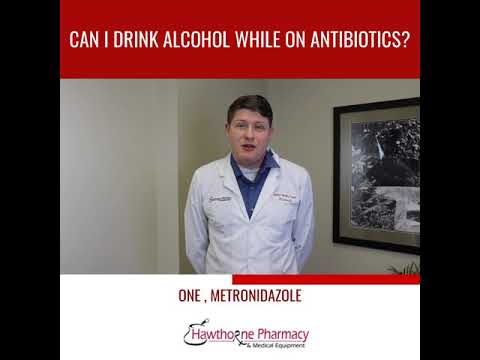
For certain antibiotics like metronidazole or tinidazole, mixing them with alcohol can lead to unpleasant reactions. This could mean anything from nausea and vomiting to flushing and rapid heartbeat. It’s your body’s way of saying “no thanks.”
But what if you’re on a different antibiotic? Generally speaking, moderate drinking may not diminish effectiveness for many other types, but it’s still best to check.
Now, let’s consider why alcohol can complicate treatment. Alcohol affects your liver, where many meds are processed. If both substances are competing for attention in your liver, it might delay or alter how well those medications work.
The question often arises: does booze kill bacteria? The answer is no; drinking doesn’t have an antibiotic effect like some might think.
It’s also important to reflect on how drinking while sick can affect recovery. Alcohol can impair your immune system and dehydration can make matters worse—so even if it’s okay in theory, you might want to reconsider in practice.
Finally, maintaining open communication with a healthcare provider is crucial for safe medication practices and recovery strategies.
Remember that everyone’s body reacts differently. Be curious and informed about what goes into yours!
Uncovering the Impact of Drinking on Your Body’s Recovery Process
Alcohol can have a significant impact on your body’s recovery process, especially when you’re taking medications like antibiotics. Understanding this connection can help you make better health choices.
When you drink alcohol, it enters your bloodstream and affects various organs. One main organ affected is the liver, which processes both alcohol and medications. If the liver is busy with alcohol, it might not handle antibiotics effectively.
Here are some key points to consider:
When recovering from an illness, it’s vital to let your body focus on healing. Think of it like trying to fix a car while someone keeps pouring more fuel into the engine—it just slows everything down.
Another thing to note is that heavy drinking can lead to dehydration. This is crucial because staying hydrated aids in recovery. Dehydration makes it harder for your body to heal.
Many myths surround drinking and medication use. Some believe a little alcohol won’t hurt; however, even small amounts can interfere with how drugs work and how effective they are.
It’s always wise to consult healthcare professionals about drinking while on medications like antibiotics. Don’t take risks with your health based on guesses or assumptions.
In summary, understanding how alcohol affects recovery helps you make informed choices during illness. Your body deserves support—not added stress—when trying to heal itself.
The relationship between alcohol consumption and antibiotic effectiveness is a crucial area of understanding for both patients and healthcare providers. Many people wonder if drinking alcohol while taking antibiotics is safe and what potential effects it may have on their recovery.
First, it’s essential to recognize that not all antibiotics react with alcohol. Some medications, like metronidazole and tinidazole, can cause severe reactions when mixed with alcohol. This interaction can lead to symptoms such as nausea, vomiting, or headache—similar to those experienced during a hangover.
For most other antibiotics, moderate alcohol consumption may not significantly impact their effectiveness. However, alcohol can affect your immune system and overall health, potentially hindering recovery from an infection. Think of your body like a team working together to fight off illness; if one player (your immune system) is weakened by alcohol, the entire team struggles.
Another critical aspect is adherence to treatment. If someone feels ill after drinking while on antibiotics or associates medication with discomfort, they might be less likely to complete their course as prescribed. This can lead to antibiotic resistance—a situation where bacteria evolve and do not respond to treatment.
In summary, while moderate drinking may be acceptable with some antibiotics, it’s wise to err on the side of caution. Always consult your healthcare provider about specific medications you’re taking. Make informed choices for your health that prioritize effective treatment and support your body’s healing process. Remember: knowledge is power when it comes to making responsible health decisions!